
The Miniaturization Revolution of Refrigeration Units: Reshaping the Temperature Order of Logistics' Capillaries
On the crisscrossing streets of modern cities, an imperceptible transformation is quietly unfolding amidst the hum of cargo vehicles. The interiors of the small delivery vans that traverse between communities and markets are undergoing a technological metamorphosis in temperature control. These precise, miniaturized refrigeration units are subtly changing the temperature order of urban logistics.
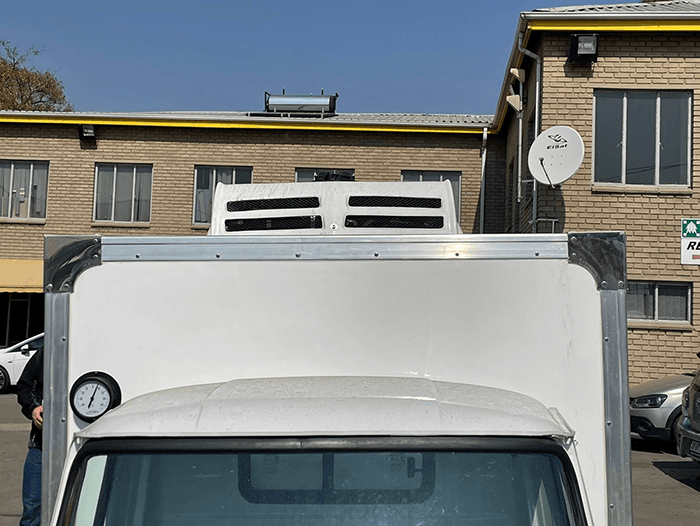
A Revolution in Form: When Giants Learn the Art of Miniaturization
For a long time, a fundamental contradiction existed in the field of small cargo van refrigeration – how to achieve professional-grade temperature control within limited space. Traditional solutions often fell short, either sacrificing efficiency or encroaching on valuable loading space.
The breakthrough in new-generation refrigeration technology comes from a redefinition of "miniaturization." Engineers are no longer simply compressing size, but systematically reconstructing the system based on thermodynamic principles. More sophisticated heat exchange designs, more efficient airflow paths, and more intelligent energy management – these innovations allow refrigeration units to demonstrate unprecedented temperature control precision in a compact space. Airflow within the cargo compartment is meticulously planned, temperature fluctuations are strictly controlled, and every inch of space is utilized to its maximum potential.
Intelligent Awakening: From Mechanical Execution to Perceptive Decision-Making
The most significant change in these new refrigeration devices is the acquisition of a kind of "perception." They no longer passively execute preset instructions, but can sense external temperature changes, identify cargo characteristics, predict road conditions, and autonomously adjust their operating strategies.
By integrating into the Internet of Things architecture, the refrigeration units form a close digital connection with the vehicle system and scheduling platform. Temperature data, operating status, and geographical location information are exchanged in real time, building a complete digital map of the cold chain. This transparent operation makes the preservation process, once hidden within the transportation process, clearly visible, establishing a new bond of trust.
Industry Empowerment: Reshaping the Ecological Niche of the Logistics End
The significance of this transformation goes far beyond the improvement of technical parameters. It is essentially a systematic empowerment of the very end of the logistics system. When small cargo vans can provide a stable and reliable temperature-controlled environment, the resilience and robustness of the entire supply chain are enhanced. The distribution radius of fresh produce has broken through geographical limitations, the value of seasonal agricultural products is more fully realized, and natural losses during food transportation are effectively reduced. Each efficiently operating small refrigeration unit supports a more refined and reliable quality supply chain.
Green Symbiosis: A Duet of Efficiency and Sustainability
It is noteworthy that the direction of technological evolution aligns perfectly with the demands of sustainable development. The ingenious balance in energy utilization and the widespread application of environmentally friendly materials in the new generation of units allow cold chain distribution to protect quality while also fulfilling a gentle commitment to the environment.
When technological innovation and ecological responsibility resonate, commercial value and social value are no longer a trade-off, but a harmonious whole that mutually reinforces each other. This inherent consistency injects deeper momentum into the industry's development.
The Philosophy of Temperature: Humanistic Care Behind Technology
Perhaps the most moving aspect of this miniaturization revolution lies in its redefinition of the meaning of "temperature" in logistics. Temperature is no longer just a physical parameter, but an emotional link connecting producers and consumers, fields and tables.
Within these steel casings, the precise temperature control system protects not only the freshness of the goods, but also people's expectations for a quality life, respect for the source of food, and appreciation for the fruits of every labor. When technology integrates into daily life in such a delicate way, it transcends its tool-like nature and becomes a warm protective force in modern civilization.
From the busy loading of goods at wholesale markets at dawn to the last delivery at community stations late at night, countless small trucks equipped with new refrigeration units are weaving a temperature network covering every corner of the city. Their quiet operation embodies an evolving logistics era—where efficiency and quality, technology and humanity, commercial responsibility and social value have found a delicate balance.
This technological innovation happening inside the cargo compartments will ultimately extend its influence to broader aspects of life, ensuring that the daily operation of modern cities always maintains just the right temperature.