
Silent Revolution: How Electric Refrigerated Trucks Are Redefining City Nights
At 3 AM, the city has a different kind of vitality than during the day. Behind the bustling market, the loading docks are brightly lit, but strangely, there's almost none of the continuous roar of traditional diesel trucks. Only the faint hum of electric motors and the periodic low whirring of the refrigeration system hint at the large-scale food delivery operation underway.
This is a growing fleet of electric refrigerated trucks. They depart from cold chain centers in the suburbs, traversing the quiet city streets, delivering ingredients on time to markets, supermarkets, and restaurant kitchens.
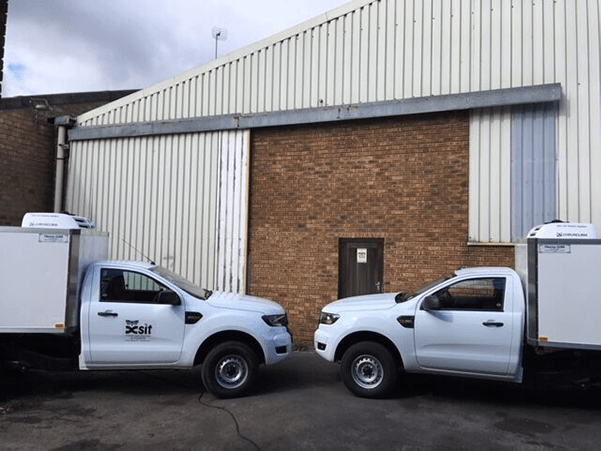
Silent Delivery: Electric Refrigerated Trucks are Changing City Nights
Compared to traditional fuel-powered refrigerated trucks, the most noticeable change with electric refrigerated trucks is the significant reduction in noise levels. This change not only reduces urban noise pollution but also allows refrigerated deliveries to take place in densely populated residential areas and during late-night hours without disturbing residents.
"Before, when I drove diesel refrigerated trucks into residential areas, residents would always complain about the noise, especially in the summer when continuous refrigeration was needed," said a driver with fifteen years of experience in cold chain transportation. "After switching to electric vehicles, this problem has basically disappeared."
This change is reshaping the rhythm of urban delivery. Restaurants can place orders later, fresh food e-commerce companies can extend delivery times, and cold chain logistics companies can more flexibly schedule transportation plans, avoiding daytime traffic peaks.
More Than Just Environmental Protection: The Multiple Advantages of Electric Refrigerated Trucks
Zero emissions are, of course, the most frequently mentioned advantage of electric refrigerated trucks, but industry professionals value the changes in their operating cost structure even more. Electricity costs are significantly lower than diesel, and maintenance requirements are greatly reduced due to the simplified structure. Without complex engine systems and transmission devices, the main maintenance work focuses on the battery, motor, and temperature control system.
More importantly, electric refrigerated trucks are gaining more and more road access advantages. Many cities are providing more lenient traffic policies for new energy commercial vehicles, allowing them to enter core urban areas during more hours, which is crucial for cold chain delivery that requires precise timing.
"Now we can deliver goods directly to core business areas that we couldn't access before, and customer satisfaction has significantly increased," said a fleet manager responsible for high-end food delivery. 3. Innovation in Temperature Control: From Mechanical to Intelligent
Traditional refrigerated trucks have relatively crude temperature control, while electric refrigerated trucks achieve precise temperature control through sophisticated electronic control systems. Temperature sensors in the cargo compartment monitor temperature changes in various areas in real time, and intelligent algorithms automatically adjust the cooling power, keeping temperature fluctuations within a very small range.
This precise temperature control capability is particularly suitable for transporting high-value goods sensitive to temperature changes, such as specific pharmaceuticals, high-end food ingredients, and experimental materials. Some advanced electric refrigerated trucks can even achieve partitioned temperature control, maintaining different temperature environments within the same compartment to meet the transportation needs of diverse goods.
Intelligent Energy Management
Electric refrigerated trucks are not just transportation tools, but also mobile energy management platforms. Advanced battery management systems not only optimize vehicle energy consumption but also intelligently allocate power based on the priority of transportation tasks – ensuring sufficient range while providing stable power to the refrigeration unit.
Some cutting-edge designs even consider bidirectional charging capabilities, allowing refrigerated trucks to serve as temporary energy storage devices or power other equipment during non-operational periods. This multi-functionality significantly improves vehicle utilization and economic value.
Challenges and Solutions: Practical Considerations for Electric Refrigerated Trucks
Despite the obvious advantages, the widespread adoption of electric refrigerated trucks still faces practical challenges. Driving range, charging infrastructure, and initial cost are three major limiting factors.
To address these issues, the industry is taking a multi-pronged approach: advancements in battery technology continue to improve energy density; cold chain logistics hubs are accelerating the deployment of charging facilities; and innovative business models such as "battery leasing" are attempting to reduce users' initial investment costs.
At the same time, adjustments to operating models are also contributing to the promotion of electric refrigerated trucks. Many companies are adopting a "hub-and-spoke" model, establishing large cold chain centers in suburban areas and using electric refrigerated trucks for last-mile delivery, maximizing the advantages of electric vehicles while mitigating their limitations.
The Future of Cold Chain: From Tools to Systems
The development trend of electric refrigerated trucks indicates that future cold chain transportation will no longer be isolated vehicle operations, but rather a highly integrated temperature-controlled logistics system. Real-time data exchange between vehicles, warehousing facilities, order management systems, and transportation networks will make cold chain transportation more efficient, transparent, and reliable. Through Internet of Things (IoT) technology, the entire process of goods transportation, from departure to delivery, is under constant monitoring. Temperature anomalies and transportation delays can be detected and addressed immediately. This end-to-end visibility not only improves logistics efficiency but also provides a solid technical foundation for food safety and quality traceability.
At four in the morning, the first batch of electric refrigerated trucks completed their delivery tasks and slowly returned to the cold chain center in the suburbs. There, they will be charged and maintained, ready for a new day's work. Meanwhile, the kitchens of city restaurants are already bustling, and market vendors are arranging the freshly delivered ingredients.
This silent cold chain revolution hasn't received much media attention, but it is profoundly changing the way cities operate. From fresher ingredients and more timely deliveries to quieter city nights and cleaner air, the changes brought about by electric refrigerated trucks are quietly integrating into daily life.
The electrification of cold chain logistics has only just begun, but it has already demonstrated promising potential. In the future, when we enjoy fresh food and safe medicines, we may not think about how these goods arrived, but that is precisely the mark of the most successful technology – silently improving life without disrupting it.