
Semi-Trailer Truck Air Conditioning: The Intelligent and Comfortable Evolution in a Silent Revolution
On countless long-haul journeys, the semi-trailer truck cab is transforming from a mere workspace into a "mobile home" for drivers during their long trips. At the heart of this transformation are the silently operating air conditioning systems. These systems are undergoing an unseen yet far-reaching revolution.
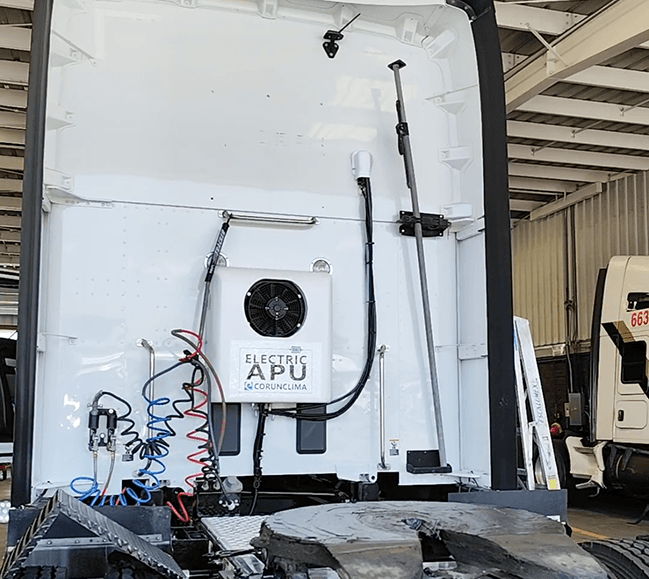
Energy Efficiency Innovation: Saying Goodbye to the High Fuel Consumption Era
Traditional truck air conditioning systems have often been criticized for their high energy consumption. Modern technology is gradually changing this situation, with new systems achieving significant energy savings through multi-faceted optimization.
The intelligent operation logic of the system is key. Modern air conditioners can automatically adjust power output based on the temperature difference between the inside and outside, avoiding unnecessary energy waste. By optimizing airflow paths, efficient exchange of hot and cold air is ensured, reducing energy loss.
The application of lightweight materials also reduces energy consumption. Lighter components mean less power is required, which directly translates into improved fuel efficiency. At the same time, improved heat exchange efficiency allows the system to maintain a stable temperature at a lower power level after reaching the set temperature.
Intelligent Interaction: From Passive Adjustment to Active Adaptation
Intelligence has permeated every aspect of truck air conditioning, and the system is evolving from a simple temperature regulator to an intelligent terminal that can actively adapt to the environment.
By learning the driver's usage habits, modern air conditioning systems can predict and adjust their operating status in advance. The system can automatically adjust operating parameters based on time, geographical location, and external environmental changes, providing a personalized comfort experience.
Integration with other vehicle systems is also becoming increasingly close. The air conditioning system can obtain information such as engine operating status, vehicle location, and weather forecasts to comprehensively determine the optimal operating strategy. For example, it can increase cooling in advance before entering a high-temperature area, or utilize the vehicle's kinetic energy to assist operation on downhill sections.
Health Care: Focusing on the Driver's Overall Well-being
Modern truck air conditioning systems no longer focus solely on temperature regulation, but also incorporate air quality, humidity control, and health protection into the overall design.
Advanced air filtration technology effectively removes particulate matter, pollen, and odors from the air inside the cab, and some systems even have sterilization functions. The humidity control system maintains a comfortable environment, preventing the air from becoming too dry or too humid.
Humanized design is also reflected in the airflow methods. The intelligent airflow system prevents cold air from blowing directly on the driver, preventing discomfort caused by prolonged exposure to cold air. Zoned control technology allows for different temperature settings in the driving and resting areas as needed.
System Integration: From Independent Units to a Complete Vehicle Ecosystem
Modern truck air conditioning is no longer an independently operating unit, but is deeply integrated into the entire vehicle system, becoming part of the vehicle's intelligent ecosystem.
Through intelligent coordination with the vehicle's power system, the air conditioning system can select the optimal operating mode under different working conditions. When parked for rest, the system can automatically switch to a low-power mode while maintaining basic comfort requirements.
Collaboration with the traditional engine is also more efficient. The system can dynamically adjust power requirements based on the engine load state, avoiding additional burden during high load conditions, while also ensuring sufficient cooling or heating capacity at idle.
Environmental Adaptation: Meeting Diverse Operational Challenges
Different transportation environments and seasonal changes pose diverse demands on truck air conditioning, and modern systems are becoming more flexible and adaptable.
For extreme climate conditions, the air conditioning system has stronger adjustment capabilities. In hot regions, the system can provide stronger cooling; while in cold environments, heating efficiency and defrosting functions are significantly enhanced.
For special transportation tasks, such as cold chain logistics, the precision and stability of temperature control are crucial. Modern systems can maintain a more stable temperature environment to meet the needs of transporting sensitive goods.
Simplified Maintenance: Enhancing Reliability and Service Convenience
Reliability and ease of maintenance are indispensable aspects of truck air conditioning design. Modern systems have significantly improved in both these areas.
Modular design makes fault diagnosis and component replacement simpler and faster. Intelligent self-diagnosis functions can detect potential problems in advance, reminding the driver to perform timely maintenance and avoid breakdowns on the road.
The application of remote diagnostic technology allows professional technicians to analyze the system status without physically accessing the vehicle, preparing repair plans and necessary parts in advance, greatly shortening repair time.
From the driver's seat, the indicator lights on the air conditioning control panel softly flicker, almost unnoticed. But it is these constantly evolving systems that are silently improving the working environment and quality of life for truck drivers. With the continuous development of technology, future truck air conditioning systems will be more intelligent, efficient, and user-friendly, becoming a reliable partner for drivers on their long journeys. In today's pursuit of efficient logistics, these seemingly minor improvements actually reflect a concern for drivers' health and an emphasis on the quality of their working environment. They not only improve transportation efficiency but, more importantly, transform the driver's cab into a space truly suitable for long hours of work and even living.