
Rapid Evolution of Electric Small Truck Refrigeration Units Ushers in a New Era of Smart, Electric Cold Chain Logistics
Driven by the surging demand for fresh food e-commerce, pharmaceutical cold chain logistics, and on-demand delivery services, urban last-mile cold chain distribution has become one of the fastest-growing segments of the logistics industry. As critical equipment for ensuring cargo quality, electric refrigeration units for small trucks are experiencing accelerated technological upgrades and market adoption, propelling the entire urban cold chain transport system toward a greener and smarter future.
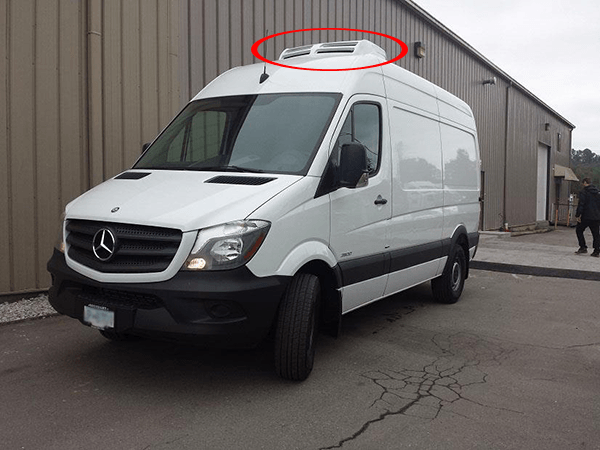
Green Refrigeration: An Essential Requirement for Urban Distribution
For a long time, urban cold chain distribution has been hampered by the high energy consumption and emissions associated with fuel-powered refrigeration. Traditional small refrigerated trucks typically rely on power take-off (PTO) from the vehicle's engine or an independent diesel engine to drive the cooling system; these methods not only result in high energy consumption during low-speed urban driving but also generate noise and exhaust emissions that struggle to meet increasingly stringent environmental regulations. With the rapid rise in the number of new energy light commercial vehicles, all-electric refrigeration units powered directly by the vehicle's battery have emerged as the optimal solution to these challenges. These units achieve zero tailpipe emissions during both driving and refrigeration, while significantly reducing operating noise—thereby facilitating access for cold chain vehicles to sensitive areas such as residential neighborhoods, hospitals, and commercial districts. Driven by "dual carbon" goals and regional timelines for vehicle electrification, the adoption of electric refrigeration units has shifted from a "value-add" feature to a "ticket to entry" for urban cold chain distribution, compelling the industry to accelerate the phase-out of outdated fuel-powered refrigeration equipment.
Technological Leaps Reshape Core Capabilities
Technologically, electric refrigeration units for small trucks are evolving beyond simple "fuel-to-electric" conversions toward deep integration with smart technologies. Next-generation products generally feature high-efficiency variable-frequency electric compressors and intelligent temperature control algorithms; these systems automatically adjust cooling output based on actual cargo load, eliminating the energy waste caused by the frequent start-stop cycles typical of traditional fixed-frequency units. In terms of control precision, mainstream solutions now achieve highly stable temperature regulation with minimal fluctuation—a capability that is crucial for transporting temperature-sensitive goods such as vaccines, biological agents, and premium fresh produce. Even more noteworthy is that the integration of AI and IoT technologies has endowed refrigeration units with capabilities for remote monitoring, predictive diagnostics, and adaptive control. Through cloud-based platforms, fleet managers can monitor cargo compartment temperatures and equipment health in real-time, identifying potential issues before they escalate. This shifts the maintenance paradigm from reactive repair to proactive upkeep, significantly enhancing the safety and reliability of cold chain transport. This evolution—from simple mechanical temperature control to a "smart brain" system—transforms electric light-duty truck refrigeration units from mere cooling tools into intelligent, data-connected terminals within the logistics vehicle itself.
Pioneering a New Green Cold Chain Ecosystem
From a market perspective, the range of applications for electric light-duty truck refrigeration units is expanding rapidly. In urban distribution, new energy chassis—specifically light and micro-trucks—have become the mainstream choice. The accompanying electric refrigeration units have been specially optimized for size, weight, and energy consumption to ensure they do not compromise vehicle payload capacity or driving range. Furthermore, advanced features such as independent multi-temperature zone control are now available on these compact electric units; a single vehicle can simultaneously transport frozen, refrigerated, and ambient-temperature goods, vastly improving vehicle utilization and delivery efficiency. This flexible design aligns perfectly with the "high-variety, small-batch, high-frequency" delivery demands of the new retail era. As end-users place increasing importance on the quality of fresh food and the safety of pharmaceuticals, logistics companies are proactively adopting high-efficiency electric refrigeration units as standard equipment. Looking ahead, the progressive implementation of high-efficiency heat pump technology, eco-friendly refrigerants, and vehicle-to-infrastructure (V2I) cooperative systems will see these refrigeration units deeply integrated with the vehicle itself. This creates an intelligent, closed-loop system optimized globally based on road conditions, cargo requirements, and energy consumption. Urban "last-mile" cold chain delivery will evolve beyond mere temperature maintenance, advancing toward a new ecosystem that is more efficient, safer, and cleaner—providing a robust, green foundation for modern cold chain logistics.