
Rapid Adoption of All-Electric Truck Refrigeration Units Ushers in a Green Era for Cold Chain Logistics
With the growing global emphasis on environmental protection and energy conservation—coupled with the rapid maturation of new energy commercial vehicle technology—all-electric truck refrigeration units are transitioning from concept to large-scale application. This technological shift is not only reshaping the energy landscape of the cold chain transport industry but also delivering quieter, more efficient, and eco-friendly solutions for urban distribution and long-haul logistics.
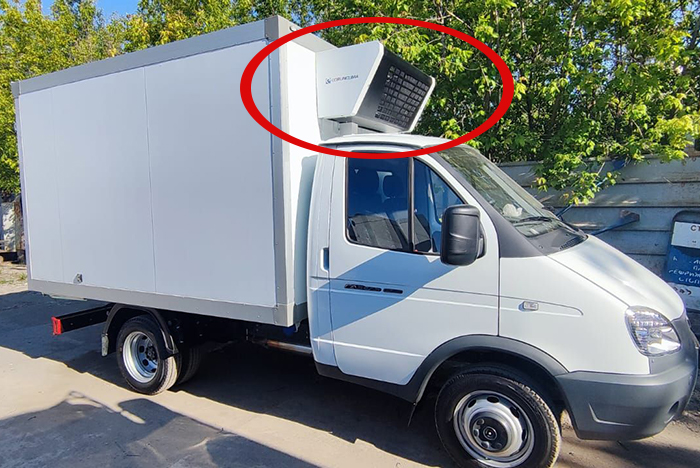
Breaking Free from Fuel Dependency: All-Electric Refrigeration Enables Silent, Zero-Carbon Transport
For years, traditional refrigerated trucks relied on fuel-powered, independent refrigeration units. These units consumed diesel continuously during transit, resulting in high fuel costs and significant exhaust emissions and noise pollution; consequently, they faced numerous restrictions when operating in city centers, residential areas, or during night-time deliveries. Furthermore, these independent units required separate maintenance; malfunctions could easily lead to cargo spoilage, posing substantial risks for the transport of high-value goods such as fresh produce and pharmaceuticals.
The advent of all-electric refrigeration units has fundamentally transformed this situation. Powered directly by the truck’s traction battery or a dedicated battery pack, these units eliminate the need for diesel entirely. While the vehicle is in motion, the electric refrigeration unit operates using the vehicle's onboard electrical power; during stationary loading and unloading, it maintains a constant cargo compartment temperature using an external power source or stored battery energy. Thanks to the characteristics of electric drive systems, these units operate with minimal vibration and significantly reduced noise, allowing them to meet urban access requirements at virtually any time of day.
Smart Variable-Frequency Control and Connectivity: Precision Temperature Management Meets High Energy Efficiency
Technological advancements in all-electric refrigeration units have been particularly remarkable. Unlike traditional mechanical compressors, electric units typically employ variable-frequency scroll compressor technology, which automatically adjusts cooling output based on the temperature differential between the interior and exterior of the cargo compartment, as well as the cargo's specific temperature sensitivity. This on-demand cooling approach eliminates the energy waste and temperature fluctuations associated with the frequent start-stop cycles of fixed-frequency units. Additionally, the integration of heat pump technology allows the unit to generate heat via a reverse cycle during winter—eliminating the need for auxiliary electric heating equipment—thereby significantly boosting overall energy efficiency. Another major advantage of all-electric refrigeration units lies in their intelligence and connectivity. Since core components are electronically controlled, these units can seamlessly integrate into vehicle networking systems. Fleet managers can monitor the internal temperature, humidity, operating status, and fault alerts of each refrigerated truck in real-time via mobile phones or computer terminals. Should any anomaly occur, the system automatically issues an alert and provides handling recommendations. This digital approach to operations and maintenance not only reduces the risk of cargo loss during cold chain transport but also provides reliable data to support full-chain traceability. From the perspective of vehicle integration, mainstream new energy truck platforms already feature standardized power interfaces and energy management strategies for electric refrigeration units, optimizing energy consumption for both propulsion and refrigeration through coordinated scheduling.
Paving the Way with Policy and Envisioning the Future: From Niche Choice to Industry Standard
In terms of market adoption, the promotion of all-electric refrigeration units has received explicit policy support across various regions. An increasing number of cities are imposing time or zone restrictions on fuel-powered refrigerated trucks entering core urban areas, whereas new energy refrigerated trucks—equipped with electric refrigeration units—enjoy preferential access. Meanwhile, the rapid expansion of charging infrastructure has seen cold chain logistics companies install dedicated charging bays at key nodes such as transfer hubs, distribution centers, and wholesale produce markets, effectively alleviating "range anxiety" regarding the recharging of electric refrigerated trucks.
Naturally, the development of all-electric refrigeration units still faces practical challenges. For instance, meeting the simultaneous demands of vehicle range and temperature control (cooling or heating) under extreme cold or heat places higher requirements on battery energy density and thermal management systems. Additionally, the inconsistent insulation performance of some older refrigerated truck bodies affects the actual efficiency of the electric refrigeration units. However, these issues are gradually being resolved through continuous advancements in battery cell technology, insulation materials, and intelligent control algorithms.
Looking ahead, all-electric refrigeration units for trucks are poised to become a standard feature in new energy cold chain logistics. They represent more than just a shift in energy sources; they signify a comprehensive upgrade—transitioning from passive cooling to active energy management, and from manual operation to intelligent maintenance. It is foreseeable that, driven by the dual forces of green logistics and the demand for high-quality fresh produce, all-electric refrigeration units will increasingly replace traditional fuel-powered systems, propelling the cold chain transport industry into a new era defined by zero emissions, low noise, and high reliability.