
Rapid Adoption of All-Electric Refrigeration Units for Box Trucks Ushers in a Green Transformation for Cold Chain Logistics
Driven by the deepening of the national "Dual Carbon" strategy and the iterative upgrading of the new energy commercial vehicle industry, all-electric refrigeration units for box trucks are entering a critical window for rapid adoption. The large-scale implementation of this technology not only signifies a fundamental shift in the energy structure of cold chain transport equipment but also marks the beginning of a new chapter of green transformation for the cold chain logistics industry—a comprehensive shift toward a sustainable development model characterized by low noise, zero emissions, and high energy efficiency.
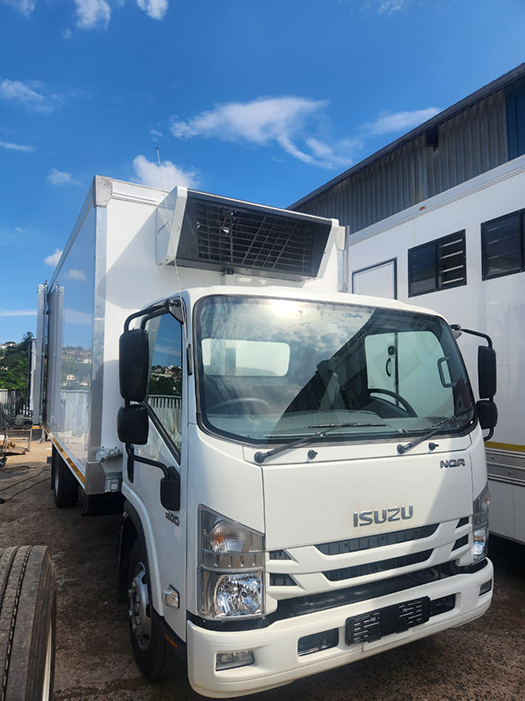
Technological Innovation: Dual Breakthroughs in Energy Efficiency and Temperature Control
In terms of technological evolution, the new generation of all-electric refrigeration units has achieved significant leaps in both energy efficiency and temperature control performance. By incorporating high-efficiency variable-frequency compression technology and intelligent throttling control algorithms, the system adjusts cooling output in real-time based on fluctuations in the cargo compartment's thermal load. This eliminates the frequent start-stop cycles associated with fixed-frequency units, enabling significant energy savings alongside precise temperature control. The widespread adoption of direct-drive motor technology eliminates energy losses inherent in belt-driven systems, substantially boosting the unit's overall energy efficiency ratio and providing robust support for the extended operational range of cold chain vehicles. Furthermore, the unit's lightweight design and streamlined structural optimization effectively reduce aerodynamic drag, further solidifying the competitive edge of all-electric refrigeration units within the vehicle's overall energy ecosystem; such systemic advancements represent the tangible technical manifestation of this green transformation.
Regarding temperature control precision and operational reliability, all-electric refrigeration units for box trucks demonstrate significant advantages over traditional models. Advanced intelligent control systems monitor temperatures at multiple points within the cargo compartment in real-time, automatically managing temperature compensation and defrosting to ensure that high-value, temperature-sensitive goods—such as fresh produce and pharmaceuticals—remain within a constant, optimal temperature range throughout transit. Certain high-end units also feature independent multi-zone temperature control capabilities, enabling a single vehicle to simultaneously transport goods with varying temperature requirements, thereby greatly enhancing the flexibility and cost-efficiency of cold chain logistics. Even more noteworthy is that the elimination of engine-driven power take-offs (PTOs) and complex mechanical transmission components has significantly reduced operational vibration and noise. This not only extends equipment lifespan but also improves the driver's working environment and reduces noise pollution in urban areas at night; these combined benefits are driving the rapid adoption of all-electric refrigeration units in the end market.
Smart Empowerment: End-to-End Cold Chain Manageability
The wave of intelligent technology has infused new meaning into the green transformation of cold chain logistics. Leveraging IoT and vehicle connectivity technologies, all-electric refrigeration units for box trucks can seamlessly integrate with fleet management platforms, enabling remote temperature monitoring, location tracking, fault alerts, and cloud-based analysis of operational data. Logistics managers can monitor the temperature status of each refrigerated truck in real-time via smart devices and intervene remotely the moment an anomaly occurs, vastly enhancing the safety and transparency of cold chain transport. AI algorithms have also been introduced to equipment maintenance; by analyzing operational parameters to predict potential failures, the approach shifts from reactive repair to proactive maintenance, effectively reducing the risk of breakdowns during transit. This integrated model of "all-electric drive plus smart management" is serving as a dual engine for boosting efficiency and ensuring safety in cold chain logistics during this era of green transformation.
Meanwhile, the continuous evolution of smart control systems means that all-electric refrigeration units are no longer isolated energy-consuming components but are deeply coordinated with the vehicle's overall energy management system. Through energy recovery and flexible regulation technologies, the unit can automatically optimize cooling power distribution based on the vehicle's driving status and battery level, maximizing driving range while safeguarding cargo quality. This intelligent energy scheduling capability ensures stable, efficient operation even under complex conditions—such as frequent stops during urban delivery and switching between multiple temperature zones—further solidifying the technical foundation for widespread adoption.
Market Resonance: Accelerating the Green Transition
Positive market feedback further confirms the inevitability of this rapid adoption trend. As the production and sales of new energy refrigerated trucks continue to rise, mainstream OEMs and specialized vehicle upfitters have made all-electric refrigeration units a standard feature on mid-to-high-end models. Meanwhile, at urban logistics hubs and large-scale retail distribution centers, vehicles equipped with all-electric refrigeration units benefit from more lenient traffic regulations and extended operating windows—thanks to their zero-emission and low-noise characteristics—thereby fostering a virtuous commercial cycle. This shift from policy-driven initiatives to market-led adoption signals that the green transformation of cold chain logistics has moved beyond mere conceptual advocacy into a phase of substantive implementation.
Looking ahead, the rapid adoption of all-electric refrigeration units for box trucks will integrate deeply with cutting-edge technologies—such as hydrogen fuel cell range extenders and ultra-fast charging—effectively eliminating range anxiety in long-haul cold chain transport. Furthermore, the synergistic optimization of intelligent controls and vehicle-wide energy management systems will transform refrigeration units into flexible loads within the vehicle's energy network, enabling participation in power grid dispatch and energy recovery. It is certain that as all-electric refrigeration units are deployed across a wider range of scenarios, the green transformation of the entire cold chain logistics value chain will deepen; every kilometer—from farm to table and from production site to pharmacy—will become cleaner, more efficient, and more reliable, driven by this zero-carbon, intelligent revolution. A new vision for cold chain logistics—characterized by low-carbon efficiency and the convergence of digital and smart technologies—is rapidly becoming a reality through the collective efforts of the entire industry.