
Portable Refrigerated Trailers: Reshaping Modern Cold Chain Logistics with Flexibility
In modern logistics systems, cold chain transportation acts as an invisible lifeline, silently safeguarding the quality and safety of temperature-sensitive goods such as food and pharmaceuticals. With market demand and technological advancements, a more flexible and convenient cold chain solution – portable refrigerated trailers – is quietly transforming traditional cold chain logistics operations, bringing new possibilities to the industry.
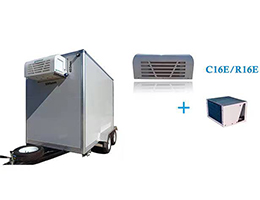
A Flexible New Cold Chain Option
Traditional refrigerated trucks, while offering large cargo capacity, lack flexibility and struggle to adapt to small-batch, multi-shipment transportation needs. Portable refrigerated trailers, with their flexible and mobile characteristics, fill this gap in the cold chain logistics system. These units are moderately sized and can be towed by ordinary vehicles, enabling point-to-point direct transportation, making them particularly suitable for urban distribution and regional transfers.
The emergence of these portable units allows more small and medium-sized enterprises to access professional cold chain services at a lower cost, without the need to invest in a large fleet of refrigerated trucks. Meanwhile, large logistics companies are also incorporating portable refrigerated trailers into their logistics networks, complementing large refrigerated trucks and creating a multi-layered, flexible, and efficient cold chain transportation system.
Technological Innovation: The Core Driving Force
The development of portable refrigerated trailers is driven by continuous innovation in refrigeration technology. Modern portable refrigeration equipment utilizes advanced refrigeration systems to maintain a stable low-temperature environment under varying conditions. The application of intelligent temperature control technology allows these devices to automatically adjust the temperature based on the characteristics of the goods, ensuring transportation quality.
Energy consumption has always been a challenge for refrigeration equipment. The new generation of portable refrigerated trailers significantly reduces energy consumption through optimized refrigeration system design. Some high-end models even feature solar-assisted power systems, further improving energy efficiency. Simultaneously, the lightweight design of the equipment structure ensures sufficient insulation while reducing towing energy consumption, making overall operation more economical and environmentally friendly.
Wide Range of Applications
The application scope of portable refrigerated trailers is constantly expanding. In urban fresh food distribution, they can flexibly navigate city streets, delivering fresh produce to restaurants, supermarkets, and communities in a timely manner; in agricultural areas, they can be driven directly to the fields, enabling immediate pre-cooling of agricultural products after harvesting, significantly extending their shelf life. Beyond the food industry, portable refrigeration equipment also demonstrates unique value in the pharmaceutical transportation sector. Vaccines, biological agents, and other temperature-sensitive pharmaceutical products can be safely and precisely transported using portable refrigerated trailers, ensuring that their efficacy remains intact. These devices can also provide temporary refrigeration solutions for special events such as outdoor sporting events and exhibitions.
Diverse Product Forms
The diversification of market demand has given rise to various types of portable refrigerated trailers. From the smallest models that can be towed by passenger cars to medium-sized commercial models, the product line is becoming increasingly diverse. Different models prioritize different aspects such as insulation performance, cooling capacity, and cargo space, allowing users to choose the most suitable equipment based on their specific needs.
In addition to standard models, some manufacturers also offer customized services, adjusting equipment configurations according to customers' specific requirements. Whether it's multi-temperature zone control or special cargo securing devices, customization is possible. This flexible production capability further broadens the application scope of portable refrigerated trailers.
Future Development Prospects
With the continuous growth of cold chain logistics demand, the market for portable refrigerated trailers has broad prospects. Technological advancements will drive continuous improvements in equipment performance and gradual cost reductions, making professional cold chain services more affordable for more users. At the same time, intelligence and networking will become important directions for industry development, enabling real-time monitoring of equipment status and cargo temperature through IoT technology, achieving fully traceable cold chain management.
Environmental requirements will also profoundly impact the development of portable refrigeration equipment. More environmentally friendly refrigerants, more efficient energy utilization methods, and the use of recyclable materials will all become important considerations in product design. Guided by the concept of sustainable development, future portable refrigerated trailers will be greener and more energy-efficient.
Standardization is also an important issue for industry development. Unified technical standards, safety regulations, and operating procedures will help improve the safety level and operational efficiency of the entire industry, providing users with more reliable service guarantees.