
New Momentum for Cold Chain Transportation: Truck Refrigeration Units Enter a Period of Rapid Development
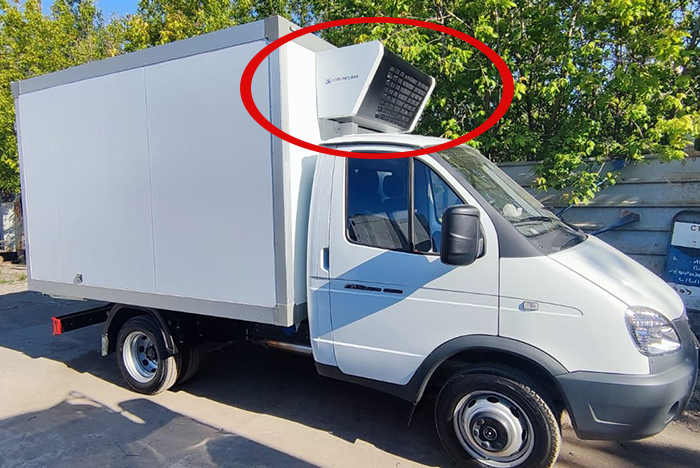
Under the guidance of "dual-carbon" goals and increasingly stringent environmental regulations, truck refrigeration units—a key link in cold chain logistics—are undergoing a profound power revolution. As core equipment ensuring the safe transportation of temperature-sensitive goods such as fresh produce and pharmaceuticals, traditional diesel-powered systems, due to their high emissions and noise levels, are being rapidly replaced by electric refrigeration units, becoming a crucial direction for industry transformation and upgrading.
Environmental Pressures Spur New Demands
For a long time, refrigeration units providing cooling for truck refrigerated boxes and trailers have relied heavily on independent diesel engines. These units generate particulate matter and nitrogen oxide emissions during operation, becoming a significant source of pollution in the transportation process. With increasing societal demands for environmental quality, urban delivery, nighttime transportation, and warehousing parks are placing higher standards on the environmental performance of equipment. Electric refrigeration units, with their zero-emission operation, meet increasingly stringent environmental access requirements, creating conditions for transportation companies to gain greater accessibility.
Operational Advantages Reshape User Perception
Beyond its environmental value, the improved operational experience offered by electric refrigeration units is also key to their market appeal. Compared to diesel engines, electric motors have a simpler structure and fewer moving parts, significantly reducing daily maintenance workload. Simultaneously, the noise from electric operation is significantly reduced, resolving the long-standing problem of disturbance to residents during late-night loading and unloading in residential areas or distribution centers, and making transportation operations more flexible in terms of timing.
Regarding cost control, although the initial purchase cost of electric motor units is relatively high, their daily energy costs are generally lower than fuel consumption. Especially when vehicles reach their destination or are parked at night, the unit can be easily connected to mains power, avoiding the additional fuel consumption and engine wear caused by idling. This balance between economy and comfort is attracting increasing attention and experimentation from transportation professionals.
Technological Breakthroughs Expand Application Boundaries
With the overall advancement of new energy commercial vehicle technology, electric refrigeration units themselves are also constantly iterating. Increased battery energy density and optimized motor control precision have continuously enhanced the unit's range and temperature control reliability. Meanwhile, the introduction of intelligent control systems has made remote temperature monitoring, real-time status feedback, and automatic switching of operating modes a reality. Transportation managers can monitor temperature changes within the vehicle compartment at any time, ensuring that goods remain within the prescribed temperature range. This is of great significance for transporting highly temperature-sensitive special goods such as vaccines and biological agents.
As the quality and safety requirements of the entire cold chain logistics chain continue to rise, electric refrigeration units are gradually expanding from short-distance urban delivery scenarios to applications in longer distances and more complex conditions. Advances in refrigeration technology also enable units to reach set temperatures faster and maintain stable cooling performance under conditions of frequent door opening and unloading, better meeting the high-frequency operational needs of supermarket delivery, fresh food e-commerce, and other businesses.
Infrastructure Collaboration Needs Improvement
Despite the positive development momentum, the large-scale adoption of electric refrigeration units still faces challenges. Standardization of charging interfaces, expansion and upgrading of power facilities in aging warehouses, and power solutions suitable for different vehicle models all require collaborative efforts from upstream and downstream industries. Furthermore, how to further optimize battery systems to balance range and cargo capacity is also a direction that manufacturers are continuously working towards.
In the long run, the combination of electrification and intelligentization is driving the development of cold chain transport vehicles towards integration. In the future, the integrated design of the chassis power battery and refrigeration unit battery, predictive maintenance based on big data analysis, and more efficient variable frequency control technology are all expected to further improve the overall performance of electric refrigeration units.
With increasingly stringent environmental requirements, changing user perceptions, and improved technological maturity, truck electric refrigeration units are ushering in a significant period of development opportunities. As a crucial part of the green transformation of cold chain transportation, their widespread application will provide strong support for building a more efficient, clean, and safe modern logistics system.