
Movable Freezer Warehouse Becomes Key Driver of Flexible Cold Chain Growth
As global demand for fresh food, pharmaceuticals, and temperature-sensitive goods continues to rise, the concept of the movable freezer warehouse is rapidly gaining traction across multiple industries. Unlike traditional cold storage facilities, these mobile solutions combine flexibility, efficiency, and rapid deployment, offering businesses a new way to manage cold chain logistics in an increasingly dynamic market.
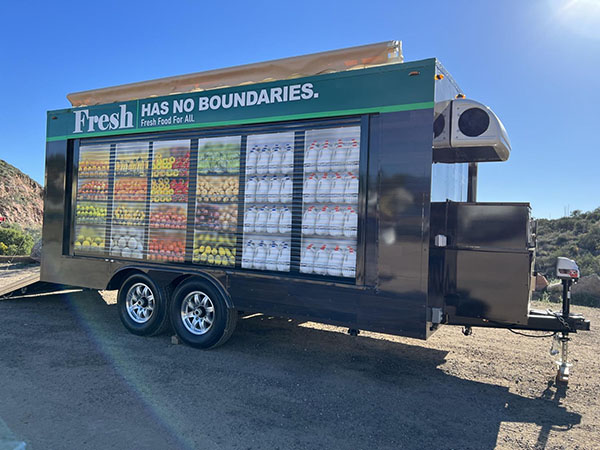
A New Era of Portable Cold Storage
Movable freezer warehouses—typically built on trailers or container-based systems—are designed to deliver reliable refrigeration wherever and whenever it is needed. These systems can maintain precise temperature ranges, often from -20°C to +10°C, ensuring the safe storage of frozen and chilled goods.
Industry experts note that portable cold storage solutions provide a practical alternative to fixed infrastructure. Businesses can deploy them quickly without the need for construction, significantly reducing upfront investment and enabling faster response to market demands.
This flexibility is particularly valuable in sectors such as:
Food service and catering
Agriculture and seafood distribution
Pharmaceutical and medical logistics
Emergency and disaster relief
Technology Behind the Movable Freezer Warehouse
Modern movable freezer warehouses are powered by advanced refrigeration technologies, with fully electric systems becoming the industry trend. Products such as mobile trailer refrigeration units integrate compressor, condenser, and evaporator into a compact, plug-and-play design, allowing users to connect to standard power sources and begin operation within minutes.
Key technological advantages include:
Zero-emission operation: Electric systems eliminate diesel dependency, aligning with strict environmental regulations in North America and Europe.
Quiet performance: Low-noise operation enables use in urban areas, events, and residential zones.
Durability and reliability: Corrosion-resistant structures and weatherproof controls ensure long service life, often exceeding 10 years.
Rapid deployment: Plug-and-play installation minimizes downtime and operational complexity.
These features make movable freezer warehouses especially suitable for temporary or seasonal demand, where permanent cold storage would be inefficient or uneconomical.
Expanding Applications Across Industries
The versatility of movable freezer warehouses is driving adoption across a wide range of real-world scenarios.
In the food and beverage industry, they support outdoor events, pop-up kitchens, and mobile supermarkets, ensuring freshness and food safety even in remote locations. In healthcare, they provide critical cold storage for vaccines, medicines, and emergency supplies, particularly in field operations or underserved regions.
Meanwhile, agriculture and fisheries benefit from on-site cold storage during harvest and transportation, reducing spoilage and improving product quality. During peak seasons or supply chain disruptions, these mobile units act as backup storage, enhancing resilience and operational continuity.
Market Trends and Future Outlook
The rise of e-commerce, last-mile delivery, and decentralized supply chains is accelerating demand for movable freezer warehouses. Businesses are increasingly seeking agile solutions that can scale with fluctuating demand and adapt to changing logistics networks.
Portable cold storage systems offer several economic advantages:
Lower capital investment compared to permanent warehouses
Scalability based on seasonal or project-based needs
Reduced energy and fuel costs with electric technology
Faster return on investment due to immediate usability
As sustainability becomes a central focus, zero-emission refrigeration solutions are expected to dominate future developments. Fully electric mobile freezer warehouses not only reduce environmental impact but also comply with tightening regulations in global markets.