
Intelligent Temperature Control: The Future Development of Electric Vehicle Refrigeration Systems
Technological innovations in electric van refrigeration units are quietly transforming the fundamental structure of cold chain transportation. The traditional design, where refrigeration systems and vehicle power systems are independent, is gradually being replaced by a new integrated solution. This transformation is not just a physical integration, but a deep combination of function and efficiency.
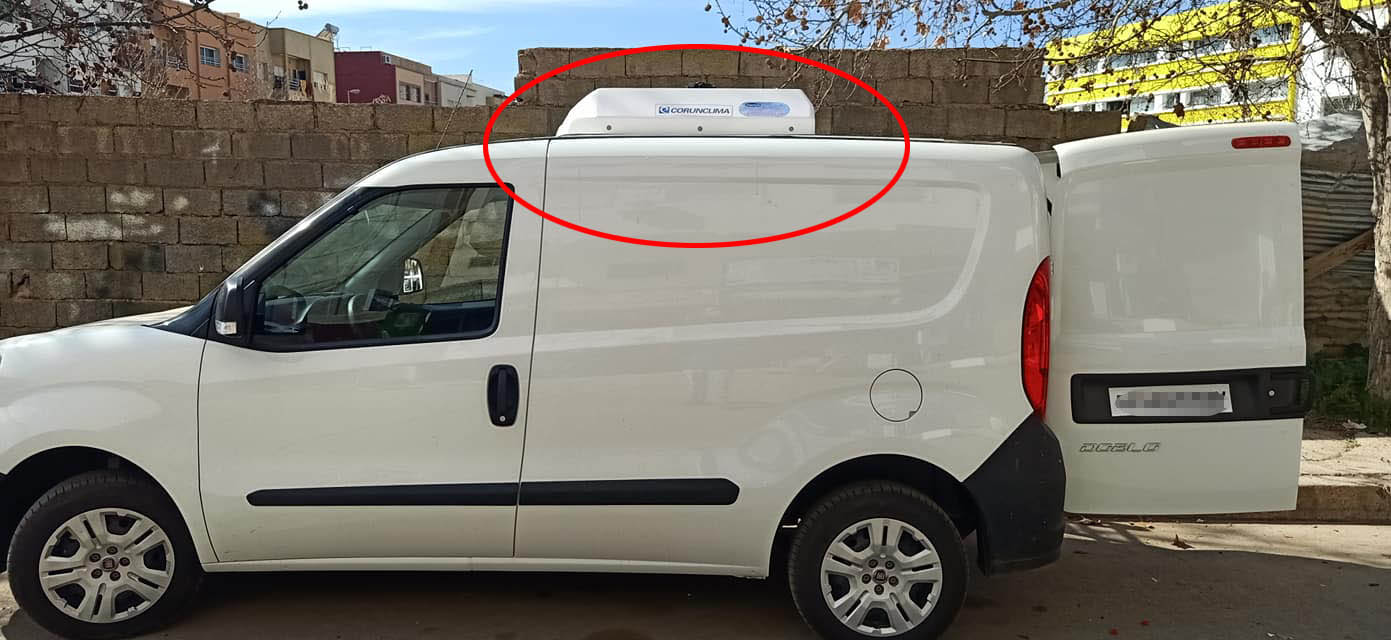
The latest generation of refrigeration units are no longer simple add-on devices, but intelligent temperature control platforms deeply integrated with the electric van's power system and energy management system. This integration allows the refrigeration system to automatically adjust its operating mode based on various factors such as vehicle driving status, remaining battery power, and external environmental conditions, maximizing efficiency.
Intelligent Control: A Precise Revolution in Temperature Management
Intelligence has become the most significant feature of electric refrigeration units. Through built-in sensor networks and intelligent algorithms, these units can monitor temperature changes in different areas of the cargo compartment in real time, automatically adjusting the cooling intensity to ensure that all types of goods are always kept in the optimal preservation environment.
The advanced control system can not only maintain a constant temperature but also pre-set complex temperature curves based on the characteristics of the goods. From fresh produce to pharmaceuticals, from frozen foods to sensitive chemicals, the intelligent control system provides customized temperature management solutions for various types of goods, greatly reducing the risk of cargo damage during transportation.
Silent Operation: The New Normal for Urban Cold Chains
Compared with traditional refrigeration equipment, electric van refrigeration units operate with significantly reduced noise. This silent operation allows cold chain delivery vehicles to operate freely during traditional restricted hours, such as early mornings and late nights, without being subject to strict noise regulations.
This feature is especially important in urban environments. Electric refrigeration units allow cold chain trucks to enter residential areas, areas around hospitals, and near schools without causing noise pollution. This greatly expands the coverage and time window of cold chain delivery, providing urban residents with more convenient fresh food delivery services.
Energy Synergy: A Dual Path to Improved Efficiency
Electric refrigeration units directly utilize the vehicle's battery as an energy source. This design reduces energy conversion steps and improves overall energy utilization efficiency. More cleverly, the system can intelligently allocate power resources, finding the optimal balance between vehicle driving and stationary refrigeration modes. When the vehicle is in motion, the refrigeration system utilizes the airflow generated by the vehicle to enhance heat dissipation; when the vehicle is parked for delivery, the system adjusts its operating parameters to reduce energy consumption. This collaborative working mode allows electric trucks to maximize their driving range while ensuring an uninterrupted cold chain.
Environmentally Friendly: The Dual Mission of Green Cold Chains
The environmental advantages of electric refrigeration units are not only reflected in their zero-emission operation. Compared to traditional refrigeration systems, they typically use more environmentally friendly refrigerants and are equipped with advanced sealing technology and leak detection systems, minimizing potential environmental impact.
At the same time, due to improved overall efficiency, electric refrigeration units reduce the load on the power grid. Against the backdrop of an increasing proportion of renewable energy generation, these highly efficient devices can better work in conjunction with unstable renewable energy sources such as solar and wind power, promoting the low-carbon transformation of the entire logistics industry.
Maintenance Innovation: From Complex Repairs to Intelligent Management
The structure of electric refrigeration units is relatively simplified, with many mechanical components replaced by electronic control systems. This change has brought about a fundamental transformation in maintenance methods. Through remote diagnostic systems, technicians can predict potential failures before they occur and schedule maintenance in advance.
Many high-end systems support remote software upgrades, meaning that the functionality and performance of the refrigeration unit can be continuously optimized through the network without the need for physical component replacement. This "software-hardware separation" design concept greatly extends the technical life cycle of the equipment and reduces long-term operating costs.
Scenario Adaptation: Flexible Response to Diverse Needs
Modern electric refrigeration units possess excellent scenario adaptability. The system can automatically adjust its operating strategy based on the climate characteristics of different seasons and regions. It strengthens dehumidification in hot and humid environments and optimizes insulation performance in dry and cold areas.
To address the "last mile" challenge in urban cold chain delivery, these units are also specially designed with a rapid temperature recovery function. When the truck frequently opens and closes its doors for multi-point deliveries, the system can restore the cargo compartment temperature to the set value in a very short time, ensuring an uninterrupted cold chain throughout the entire process.
Future Outlook: An Intelligent and Interconnected Cold Chain Ecosystem
With the continuous development of 5G communication, the Internet of Things, and artificial intelligence technologies, electric light truck refrigeration units are transforming from independent devices into nodes in an intelligent cold chain network. Future refrigeration units will be able to interact in real time with warehouse management systems, transportation scheduling platforms, and even weather forecasting systems.
In this interconnected cold chain ecosystem, refrigeration units will no longer passively respond to commands, but will be able to actively plan optimal operating strategies. The system can adjust temperature presets based on real-time traffic conditions, modify control parameters based on changes in cargo characteristics, and even select the most economical operating periods based on fluctuations in electricity market prices.
This silent revolution, led by electric small truck refrigeration units, is redefining the operating model of urban cold chain logistics. From technological integration to intelligent control, from silent operation to environmental friendliness, every improvement is driving the entire industry towards a more efficient and sustainable direction. As technology matures and applications become more widespread, these seemingly specialized cold chain devices are quietly becoming an indispensable force in ensuring the quality of urban life.