
Growing Demand for Truck Refrigeration Machines Drives Cold Chain Innovation
As global demand for fresh food, pharmaceuticals, and temperature-sensitive products continues to rise, the truck refrigeration machine industry is experiencing significant growth. Logistics providers, food distributors, healthcare organizations, and fleet operators are increasingly investing in advanced refrigeration technologies to ensure product quality and safety throughout transportation.
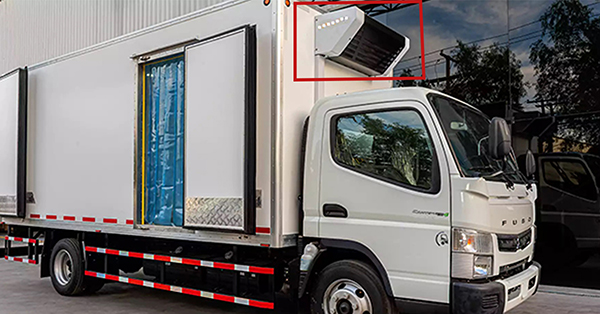
A truck refrigeration machine is a specialized cooling system installed on trucks and vans to maintain precise cargo temperatures during transit. These systems play a critical role in the cold chain, helping businesses transport frozen foods, fresh produce, dairy products, seafood, vaccines, and medical supplies over long distances while preserving product integrity.
Recent developments in cold chain logistics have highlighted the importance of reliable refrigeration equipment. Consumers now expect year-round access to fresh products, while governments and health authorities continue to strengthen regulations regarding food safety and pharmaceutical transportation. As a result, transportation companies are seeking refrigeration solutions that offer consistent cooling performance, energy efficiency, and long-term reliability.
Modern truck refrigeration machines are designed to operate under a wide range of environmental conditions. Advanced compressor technology, intelligent temperature control systems, and improved insulation capabilities help maintain stable cargo temperatures even in extreme weather. These innovations reduce the risk of spoilage, minimize operational costs, and improve overall transportation efficiency.
The growth of e-commerce grocery delivery services has also contributed to increasing demand for refrigerated transportation. Online food retailers and last-mile delivery providers require compact and efficient refrigeration units capable of maintaining cold temperatures during frequent stops and urban deliveries. This trend is creating new opportunities for manufacturers to develop specialized solutions for light-duty trucks and delivery vans.
In the pharmaceutical sector, temperature-controlled transportation has become more important than ever. Vaccines, biological products, and other medical supplies often require strict temperature management throughout the distribution process. High-performance truck refrigeration machines help healthcare providers meet regulatory requirements while ensuring that critical products reach their destinations safely.
Environmental sustainability is another major focus within the industry. Manufacturers are investing in electric and low-emission refrigeration technologies that reduce fuel consumption and carbon emissions. Electric truck refrigeration machines are gaining attention as fleet operators seek environmentally responsible alternatives that align with global sustainability goals. These systems can provide efficient cooling while supporting cleaner transportation operations.
Industry experts believe that the future of refrigerated transport will be driven by smart technologies. Remote monitoring systems, GPS integration, telematics, and real-time temperature tracking allow fleet managers to monitor cargo conditions continuously. Such capabilities improve operational transparency and enable rapid responses to potential temperature deviations.
As cold chain networks expand across developed and emerging markets, the demand for dependable truck refrigeration machines is expected to remain strong. Businesses are recognizing that reliable temperature control is not only essential for regulatory compliance but also critical for customer satisfaction and brand reputation.
With ongoing advancements in refrigeration technology, truck refrigeration machines will continue to play a vital role in supporting global food distribution, healthcare logistics, and modern supply chains. The industry is entering a new era characterized by greater efficiency, sustainability, and intelligent temperature management, helping ensure that temperature-sensitive products arrive fresh, safe, and ready for use.