
Electric Van Refrigeration Units: The "Silent Heart" Driving Green City Distribution
As urban logistics accelerate their transition towards green and efficient models, electric vans have become an increasingly common sight on city streets and alleys. Amidst this wave of transformation, the electric refrigeration units closely matched with these vehicles are evolving from a key technical component into a core driving force reshaping the urban cold chain delivery ecosystem. They are not merely "fresh-keeping boxes" ensuring cargo quality but, more importantly, the "silent heart" propelling the entire city distribution system towards low-carbon and intelligent operations.
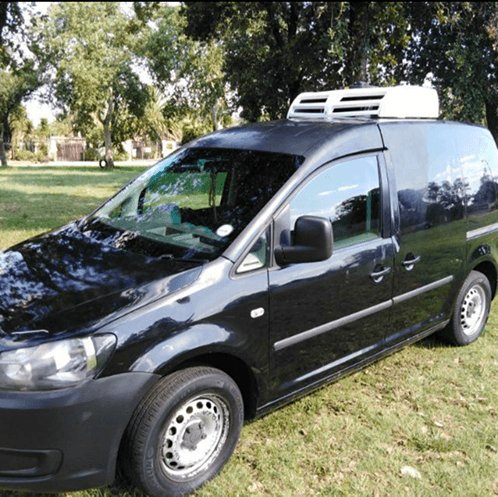
Policy Empowerment, Charting the Main Course for Technological Evolution
A series of continuously introduced national policies have laid a clear track for the development of electric vans and their specialized refrigeration units. Guided by the macro-level "dual-carbon" strategic goals, requirements for energy conservation and emission reduction in the transportation sector are deepening, making the electrification replacement of urban logistics and distribution vehicles an irreversible trend. A range of policy measures promoting the new energy vehicle industry and the creation of green freight distribution demonstrations have fostered a favorable market and operational environment for the adoption of electric refrigerated trucks.
Particularly for the cold chain logistics sector, which is vital to food safety and public livelihood, relevant planning documents explicitly call for enhancing the specialization and greening level of cold chain transport equipment. As the critical link in achieving the "last mile" green delivery of the cold chain, the technological development and industrial upgrading of electric van refrigeration units have garnered unprecedented attention and support. Policy direction is driving industry resources to cluster towards efficient, energy-saving, and reliable electric refrigeration solutions, gradually transforming them from an option into a necessity.
Technological Leap: From Power Adaptation to System Integration
The technological development of electric refrigeration units has progressed beyond the initial stage of simple power substitution, entering a new phase of deep integration and collaborative optimization with the vehicle platform.
At its core lies the comprehensive application of high-efficiency DC frequency conversion technology. Compared to traditional fixed-frequency or early variable-frequency technologies, the new generation of DC inverter refrigeration units, based on the vehicle's electric power platform, achieves more precise energy management and output control. They can continuously and steplessly adjust cooling power in real-time based on cargo compartment temperature fluctuations, external climate conditions, and cargo characteristics. This ensures precise and stable temperature control while optimizing electricity consumption to the greatest extent, effectively alleviating range anxiety for electric vehicles.
Lightweight and highly integrated design represents another major trend. To meet the stringent requirements of electric trucks regarding load capacity and space, refrigeration unit design is moving towards high integration and modularization. Compact designs reduce the occupation of external space, increasing the effective volume of the cargo compartment. The application of new materials and structural optimization significantly reduces system weight while ensuring performance and reliability, directly contributing to improved vehicle transport efficiency.
Intelligence and connectivity are enabling entirely new management models for cold chain transport. Modern electric refrigeration units commonly integrate intelligent control systems and remote IoT terminals. Managers can monitor the internal temperature and unit operation status of multiple vehicles in real-time via cloud platforms, receive warnings, and achieve full-process visibility and temperature traceability of shipments. This not only greatly enhances operational management efficiency but also provides reliable technical assurance for meeting the strict compliance requirements of sectors like pharmaceuticals and high-end food logistics.
The Value Lever Reshaping the Urban Cold Chain Ecosystem
The proliferation of electric refrigeration units holds value far exceeding the energy savings and emission reductions of a single device. As a critical node, it is profoundly altering the operational models and overall ecosystem of urban cold chain distribution.
It is driving the green upgrade of cold chain service networks. Zero-emission, low-noise electric refrigerated trucks can seamlessly access urban core areas, residential communities, and even operate during nighttime hours. This significantly expands the spatial and temporal reach of cold chain delivery, making high-quality logistics services like fresh.