
Electric Truck Refrigeration Units Enter the Fast Lane; Green Cold Chain Technology Innovation Accelerates
Driven by the continuously rising demand for cold chain logistics and the rapid electrification of commercial vehicles, electric truck refrigeration units are shifting from peripheral accessories to a core sector of the industry. Recently, numerous mainstream refrigeration equipment manufacturers and vehicle OEMs have announced significant technological progress, signaling that this niche market has entered a phase of rapid growth characterized by simultaneous technological innovation and market expansion.
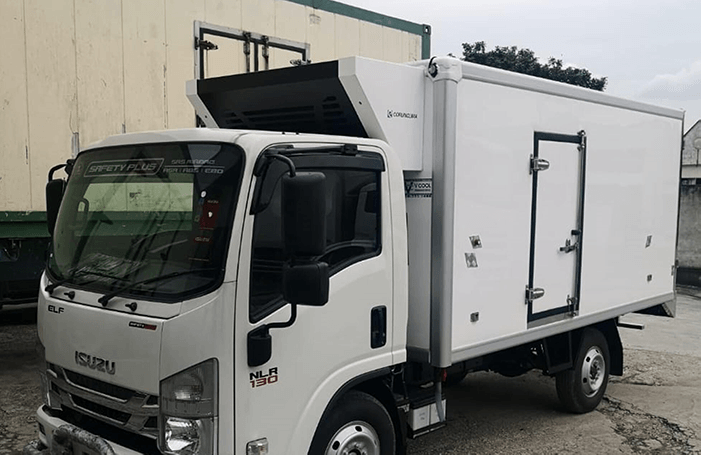
Technological Innovation: Prioritizing Both Energy Efficiency and Environmental Protection
Technologically, electric refrigeration units are moving beyond the logic of simply replacing traditional diesel units; instead, they are embracing systematic innovation focused on energy efficiency, precise temperature control, and environmental friendliness. New-generation products widely utilize high-efficiency DC inverter drive technology to drastically reduce power consumption. They also incorporate intelligent thermal management algorithms that automatically adjust cooling output based on cargo type, ambient temperature, and vehicle operating status, thereby achieving high-precision temperature control. This is particularly beneficial for transporting temperature-sensitive goods such as vaccines, biological agents, and premium fresh produce. Furthermore, the adoption of eco-friendly refrigerants has become an industry consensus; many companies have validated the use of refrigerants with low Global Warming Potential (GWP), allowing them to comply with increasingly stringent environmental regulations while significantly lowering lifecycle carbon emissions.
Intelligent Upgrades: From Hardware to Smart Terminals
Intelligence is becoming a key differentiator in the competitive landscape for electric refrigeration units. Leveraging IoT and vehicle-to-everything (V2X) communication technologies, new-generation units offer features such as remote start/stop, real-time transmission of operating parameters, fault warnings, and maintenance alerts, helping logistics companies establish end-to-end cold chain monitoring systems. Some cutting-edge solutions even incorporate predictive maintenance models based on operational big data; by analyzing multidimensional data—such as compressor vibration, current, and temperature—these systems can identify potential faults in advance, reduce the risk of mid-journey breakdowns, and improve vehicle uptime. This enhanced "sensing-decision-execution" closed-loop capability transforms refrigeration units from isolated hardware components into smart terminals integrated into the vehicle's electronic and electrical architecture, providing a solid foundation for full visibility and control throughout the cold chain transport process.
Policy and Market Synergy: Green Cold Chain Enters the Fast Lane
Positive signals from the policy front continue to inject strong momentum into the industry. At the national level, green cold-chain equipment has been included in the scope of support for the promotion and application of new-energy commercial vehicles, with specific incentives for equipment upgrades and energy-efficiency retrofits to encourage the replacement of aging, high-energy-consuming units. Locally, key cities have mandated the use of new-energy vehicles for cold-chain distribution within urban areas, directly driving demand for electric trucks and their associated refrigeration units. Meanwhile, relevant industry standards are being revised to impose stricter regulations on energy efficiency, noise limits, and reliability testing methods for electric refrigeration units, thereby guiding the industry toward healthy and orderly development.
Market response has been equally enthusiastic. The suitability of electric refrigeration units for scenarios such as urban distribution and intercity feeder transport has been fully validated; key user concerns—including all-weather range, cooling stability under heavy loads, and total cost of ownership—have been significantly addressed through technological advancements. With improvements in power battery energy density and the widespread adoption of high-voltage vehicle platforms, powering refrigeration units has become more convenient and energy management more integrated. User acceptance continues to rise, and many large cold-chain logistics enterprises have already made electric refrigeration units standard equipment for new vehicle purchases.
Looking ahead, electric truck refrigeration units will continue to evolve toward higher efficiency, greater intelligence, and reduced environmental impact. Breakthroughs in core components—such as high-efficiency compressors and micro-channel heat exchangers—will further boost system energy efficiency, while integration with cutting-edge technologies like autonomous driving and vehicle-to-infrastructure (V2I) connectivity promises to spawn innovative cold-chain transport service models. Driven by the dual forces of "dual-carbon" goals and consumption upgrades, this market is poised for robust growth, with collaborative innovation across the industry chain serving as the key to success. A new era of cold-chain transport—characterized by green, smart, and efficient operations—is rapidly approaching.