
Electric Transport Refrigeration Units Drive the Future of Green Cold Chain Logistics
As global logistics companies accelerate their transition toward low-emission transportation, the demand for efficient and sustainable cold-chain technology is rapidly increasing. The rise of the electric transport refrigeration unit is reshaping refrigerated delivery systems for urban distribution, pharmaceuticals, fresh food, and e-commerce cold logistics. Manufacturers worldwide are now focusing on battery-powered refrigeration solutions that reduce fuel consumption, lower operating costs, and support environmental sustainability goals.
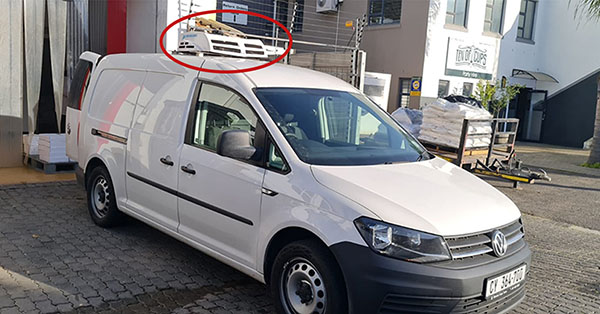
Among the companies contributing to this transformation is Corunclima, a manufacturer specializing in transport temperature-control systems for vans, trucks, trailers, and electric commercial vehicles. The company’s latest electric refrigeration technologies are designed to meet the growing requirements of last-mile cold delivery and zero-emission transportation.
Electric transport refrigeration systems are becoming increasingly popular because traditional engine-driven refrigeration units often rely on diesel-powered compressors that generate noise, emissions, and higher maintenance costs. In contrast, fully electric refrigeration units operate through DC battery systems and electric compressors, enabling quieter operation and reduced environmental impact. Industry analysts believe this shift is particularly important for urban logistics operations where cities continue introducing stricter emissions regulations and noise-control standards.
Corunclima’s van refrigeration product lineup includes several battery-powered models developed for both electric vans and conventional engine-powered vans. The company offers solutions capable of maintaining temperatures from -5°C chilling applications to -20°C deep-freezing transport. Models such as the C150TB, V150TB, and C350TB are designed for compact and mid-size refrigerated vehicles used in food distribution and pharmaceutical delivery.
According to product specifications published by the manufacturer, the systems feature full DC electric compressors integrated within the condenser unit, helping simplify installation while improving energy efficiency. The units also include low-voltage battery protection, digital temperature controls, and compact evaporator designs intended to maximize cargo space inside the van.
The C350TB model, designed for 10–12 cubic meter refrigerated cargo spaces, demonstrates the growing market preference for battery-driven cooling systems. The refrigeration unit delivers approximately 3080W cooling capacity at -5°C and supports DC12V and DC24V electrical systems. The manufacturer states that the system can continue refrigeration even while the vehicle engine is turned off, helping operators reduce unnecessary fuel consumption and engine wear during deliveries or traffic stops.
Industry experts note that electric refrigeration systems are especially valuable for last-mile delivery fleets operating in densely populated cities. E-commerce grocery delivery, fresh produce transport, frozen food logistics, and pharmaceutical distribution increasingly require reliable temperature management combined with sustainable operations. Electric reefer vans help companies achieve these goals while also improving driver comfort through quieter operation.
Cold-chain professionals on industry forums have also emphasized the importance of professional refrigeration installations and proper insulation for maintaining temperature stability inside refrigerated vans. Discussions among refrigeration technicians indicate that reliable rooftop refrigeration systems remain essential for preserving product quality during transportation, particularly for sensitive cargo such as flowers, dairy products, seafood, and vaccines.
Another major advantage of electric transport refrigeration technology is compatibility with electric commercial vehicles. Corunclima reports that its battery-powered refrigeration units have already been installed on electric vans including the Maxus e-Deliver 9, Mercedes e-Sprinter, Nissan e-NV200, BYD T3, and Renault Kangoo Z.E. This compatibility supports the broader transition toward fully electric logistics fleets worldwide.
In addition to van refrigeration systems, manufacturers are also expanding electric refrigeration solutions for medium and large trucks. Corunclima’s truck refrigeration units feature DC48V battery systems with cooling capacities suitable for frozen and chilled transportation. Some systems reportedly provide 8–11 hours of operation on lithium battery power after charging, supporting extended delivery schedules without continuous engine operation.