
Electric Small Van Refrigeration Units: Ushering in a Silent Revolution in Urban Cold Chain Delivery
Technological Innovation: A Leap from Diesel to Electric Power
Electric small van refrigeration units represent a technological transformation in the cold chain logistics sector. Compared to traditional diesel-driven systems, electric refrigeration units use on-board batteries to directly power the compressor refrigeration system, a fundamental change that brings multiple advantages. Electric drive eliminates the diesel combustion process, eliminating exhaust emissions and significantly reducing the impact on urban air quality. At the same time, the electric system has a simpler structure, reducing mechanical transmission components, which not only lowers the failure rate but also significantly reduces the noise pollution that is unavoidable with traditional diesel units.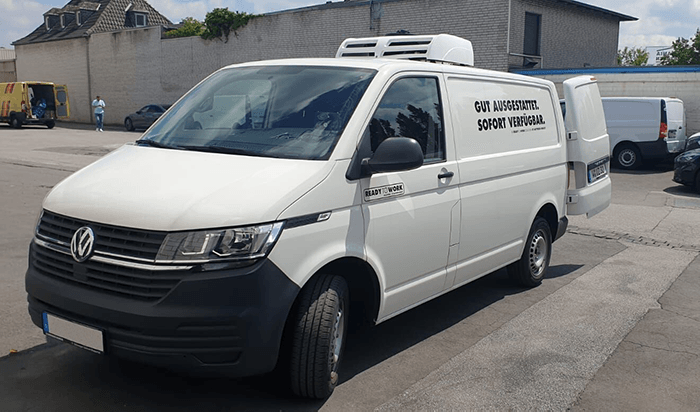
Precise temperature control is another breakthrough of electric refrigeration technology. Traditional diesel units can usually only regulate within a larger temperature range, while electric systems, through intelligent control units, can achieve temperature control of ±0.5°C or even finer. This precision is particularly suitable for transporting temperature-sensitive pharmaceuticals, high-end food, and high-value biological products, opening up new market opportunities for cold chain logistics.
Market Drivers: The Dual Support of Policy and Demand
The urban logistics and distribution system is undergoing a green transformation, and policies promoting electric commercial vehicles provide strong support for the development of electric refrigerated vehicles. Several cities have included the electrification of logistics vehicles in their urban transportation development plans and encourage companies to upgrade their fleets through priority road access and operating subsidies. These policy directions, along with increasingly stringent environmental standards, constitute the external conditions for the popularization of electric refrigerated vehicles.
Changes in market demand are also driving this transformation. With the rapid development of new retail models such as fresh food e-commerce and community group buying, urban cold chain delivery demand is characterized by "small batches, multiple deliveries, and high efficiency." Electric small refrigerated vans, with their flexibility and economy, perfectly meet this changing demand. Compared to large refrigerated trucks, small electric refrigerated vans can more efficiently complete "last-mile" delivery tasks, penetrating narrow streets and underground garages that traditional large vehicles cannot access, expanding the coverage of cold chain delivery.
Improved Efficiency: Rebalancing Operating Costs and Delivery Efficiency
Changes in the operating cost structure are an important driving force behind the popularization of electric refrigerated vehicles. Although the initial purchase cost of electric vehicles is usually higher than that of traditional diesel vehicles, their total life cycle operating costs have a significant advantage. Electricity costs are significantly lower than diesel fuel costs, and electric systems require simpler maintenance, reducing maintenance frequency and repair expenses. For urban delivery vehicles with relatively fixed daily mileage and regular returns to a base for charging, the economic advantages of electrification are particularly pronounced.
The widespread adoption of electric refrigerated trucks is also changing time management models for urban delivery. Traditional diesel refrigerated trucks face strict restrictions on delivery times in residential areas due to noise limitations. The low-noise characteristics of electric vehicles allow them to operate earlier or later, avoiding daytime traffic peaks and improving delivery efficiency. This time flexibility allows cold chain logistics to better match the sales rhythm of retailers and consumer delivery preferences.
Infrastructure: Supporting Systems and Development Challenges
The completeness of charging infrastructure directly impacts the operational efficiency of electric refrigerated trucks. Unlike passenger cars, commercial refrigerated trucks typically require higher-power charging equipment, and charging station locations need to be coordinated with logistics nodes.
Balancing range and refrigeration energy consumption is a continuous technical challenge. Refrigeration itself is an energy-intensive process, especially in hot summer environments. Maintaining a low-temperature environment significantly consumes battery power, affecting the vehicle's range. Mitigating this problem relies on multiple technological advancements: higher energy density batteries providing longer basic range; efficient thermal management systems reducing energy loss; and intelligent temperature control algorithms optimizing refrigeration strategies based on cargo characteristics, external environment, and transportation duration.
Industry Integration: Full-Chain Optimization of the Cold Chain System
The popularization of electric refrigerated trucks is driving the overall restructuring of the cold chain logistics system. Traditionally segmented warehousing, trunk transportation, and last-mile delivery links are now more efficiently connected due to the flexibility of electric vehicles. Electric small refrigerated trucks can serve as mobile temporary storage devices, performing temporary warehousing functions during delivery intervals, reducing the time goods spend in fixed cold storage facilities.
Technological innovation is also promoting the informatization and integration of cold chain logistics. New-generation electric refrigeration units are usually equipped with IoT sensors and remote monitoring systems, capable of collecting and transmitting real-time data on temperature, humidity, and location. This information is not only used to ensure transportation quality but also provides data support for supply chain management, helping to optimize inventory planning, delivery routes, and vehicle scheduling.
Future Outlook: The Evolution Towards Intelligence and Networking
As technology continues to develop, electric small truck refrigeration systems are evolving towards greater intelligence and integration. Some cutting-edge designs attempt to deeply integrate the refrigeration system with other parts of the vehicle, such as utilizing waste heat from refrigeration to manage battery temperature, or combining cabin insulation materials with phase-change energy storage technology to reduce the energy consumption required for active cooling.
The application of connected vehicle technology will further improve the operational efficiency of electric refrigerated trucks. By connecting to urban traffic management systems, electric refrigerated trucks can obtain real-time traffic information and optimize delivery routes; by connecting with warehouse management systems, intelligent scheduling and precise matching of goods can be achieved. This technological integration will make the cold chain logistics system more responsive and resource-efficient.
From a broader perspective, the development of electric small van refrigeration units reflects the green transformation trend of China's urban logistics system. This transformation is not only a technological substitution but also a systemic upgrade of operating models, infrastructure, and industrial ecosystems. As technology matures and applications deepen, electric refrigerated trucks will continue to support urban cold chain distribution systems in a quieter and more efficient manner, becoming an indispensable yet almost unnoticed fundamental component of modern urban life.