
Electric Refrigeration Technology Revolutionizes Cold Chain Logistics, Ushering in a New Era of Green Transportation
With the increasing global emphasis on environmental protection and the rapid development of new energy vehicle technologies, electric refrigerated truck units are quietly transforming the cold chain logistics industry. This emerging solution, which combines electric vehicle technology with professional refrigeration equipment, not only provides a more environmentally friendly and efficient transportation method for temperature-sensitive goods such as food and pharmaceuticals, but also represents a significant step towards sustainable development in the cold chain logistics industry.
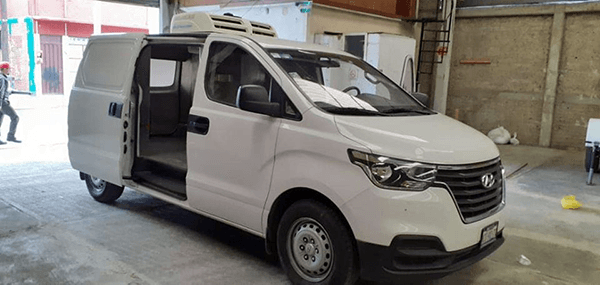
Innovative Breakthroughs Through Technological Integration
The core of electric refrigerated truck units lies in the seamless integration of the electric vehicle platform and a professional refrigeration system. Traditional refrigerated transport vehicles typically rely on independent fuel-driven refrigeration systems, which not only increase carbon emissions but also have limitations in energy efficiency. The new electric refrigerated units, however, fully utilize the electric vehicle's power system to provide clean energy for the refrigeration equipment, achieving full electrification from power to refrigeration.
This integration is not simply a matter of adding equipment, but involves technological innovations in power management, thermal control, and space optimization. Modern electric refrigerated units typically employ intelligent temperature control systems that can automatically adjust the cooling power based on cargo characteristics, environmental conditions, and transportation distance, ensuring constant temperature while minimizing energy consumption. Some advanced systems also feature remote monitoring capabilities, allowing logistics managers to track compartment temperature and environmental conditions in real time.
In terms of refrigeration technology, electric refrigerated units have also undergone specialized optimization. Considering the power characteristics and range requirements of electric vehicles, developers have developed more energy-efficient compressors and heat exchangers, adopted new environmentally friendly refrigerants, and improved insulation materials to reduce heat exchange losses and extend battery life. These technological innovations enable electric refrigerated vehicles to meet the needs of most urban cold chain distribution with a single charge.
Environmental Advantages and Industry Impact
The most significant advantage of electric refrigerated units is their environmental friendliness. Compared to traditional fuel-driven refrigerated trucks, the electric version achieves zero tailpipe emissions during operation, significantly reducing the negative impact of cold chain logistics on urban air quality. Furthermore, as the source of electricity gradually shifts to renewable energy, the carbon footprint of the entire cold chain transportation is expected to be further reduced.
In addition to the direct environmental benefits, electric refrigerated units also bring about operational changes. Electric vehicles typically have lower operating noise, which is especially important for cold chain logistics requiring nighttime deliveries, reducing disruption to residents' lives. Electric drive systems are also relatively simple in structure and require less maintenance, helping to lower long-term operating costs.
From an industry perspective, the popularization of electric refrigeration technology is reshaping the operating model of cold chain logistics. More and more logistics companies are incorporating electric refrigerated vehicles into their fleet renewal plans, particularly in urban delivery. Some companies are even exploring the establishment of "cold chain micro-circulation" systems based on electric refrigerated vehicles, connecting large cold chain hubs with end-users more efficiently.
Market Prospects and Development Trends
With increasingly stringent restrictions on fuel-powered vehicles and the continuous improvement of electric vehicle infrastructure in various countries, the market prospects for electric refrigerated units are very promising. In application scenarios such as short-distance urban delivery and regional logistics, electric refrigerated vehicles have already demonstrated a clear competitive advantage. Especially in areas with strict temperature control requirements, such as fresh food and pharmaceutical products, the precise temperature control and stable performance provided by electric refrigerated units are favored by users.
In the future, electric refrigeration technology may develop in several directions: firstly, further improving energy efficiency and range through battery technology innovation and lightweight vehicle design to expand the operating range of electric refrigerated vehicles; secondly, strengthening intelligence by deeply integrating refrigeration units with logistics management systems to achieve more precise temperature control and energy consumption management; and thirdly, exploring modular and standardized designs to enable refrigeration units to adapt to different models of electric vehicle chassis, improving industrial collaboration efficiency.
Challenges and Solutions
Despite the promising prospects, electric refrigerated units still face some challenges. The higher initial investment cost compared to traditional refrigerated vehicles is a common problem; although long-term operating costs may be lower, the higher purchase price still hinders some potential users. The lack of charging infrastructure also limits the operational flexibility of electric refrigerated vehicles, especially in long-haul cold chain transportation scenarios.
To address these challenges, the industry is exploring various solutions. Some manufacturers are introducing more flexible leasing models to reduce users' initial investment; other companies are collaborating with charging service providers to provide dedicated charging solutions for cold chain vehicles. At the policy level, many governments are encouraging cold chain logistics companies to upgrade to electric vehicles through subsidies and tax incentives.
Conclusion
The rise of electric vehicle refrigerated units marks a new stage in the development of the cold chain logistics industry. This technological solution, which integrates clean energy, intelligent control, and professional refrigeration, not only addresses the urgent global need for carbon reduction but also sets new standards for the efficiency and reliability of cold chain logistics. As the technology matures and gains wider market acceptance, electric refrigeration units are expected to become the mainstream choice in the cold chain transportation sector, driving the entire industry towards a greener, more efficient, and intelligent future.
In today's world, where sustainable logistics has become a global consensus, electric refrigeration technology is moving from concept to widespread application. Its development trajectory not only concerns the transformation of a niche industry but also reflects the broader trend of the entire transportation sector shifting towards cleaner solutions. In the future, with the emergence of more innovative solutions, electric refrigeration units will play an even more crucial role in connecting production and consumption, ensuring product quality, and reducing environmental impact within the cold chain.