
Electric Refrigerated Trucks Enter a New Era of Intelligent Control
Electric Refrigerated Trucks Enter a New Era of Intelligent Control
From Functional Refrigeration to Smart Temperature Control: A Silent Transformation in the Industry
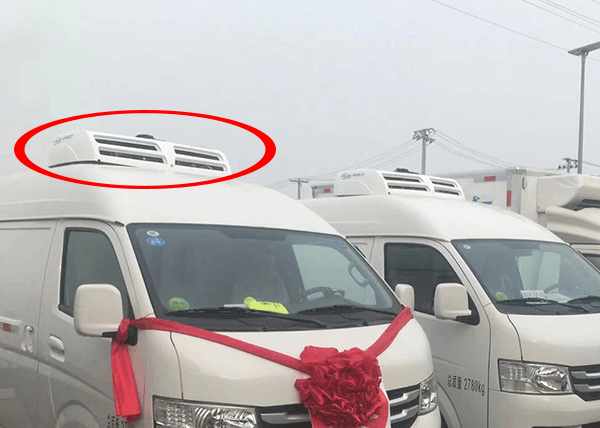
In recent years, with the deepening of new energy technologies and the wave of intelligence, the refrigeration systems of electric vans are undergoing a silent yet profound transformation. This industry, which once focused on maintaining low temperatures, is now accelerating its evolution towards precise temperature control, high energy efficiency, and deep integration with intelligence. The continuous expansion of the cold chain logistics industry provides ample growth space for the electric truck refrigeration equipment market. The focus of the industry has gradually shifted from the initial "electrification" replacement to the deep integration of "intelligence" and "efficiency."
Tecnological Innovation: The Continuous Pursuit of Precision and Efficiency
In the field of technological innovation, the core pursuit of the system focuses on precise temperature control and a leap in overall energy efficiency. Advanced refrigeration systems, by introducing complex control algorithms, can suppress temperature fluctuations in the cargo compartment within a very small range, which is crucial for transporting high-end pharmaceuticals, precision instruments, or high-quality food. At the same time, addressing the core concern of electric vehicle range, the new generation of systems is committed to significantly reducing the energy consumption of the refrigeration function itself by optimizing compressor operation logic and improving thermal management technology, thereby effectively extending the vehicle's operating range and solving a key pain point for users.
System Intelligence: From Independent Components to Networked Core
The intelligence revolution is redefining the role of refrigeration systems. It is no longer an independently operating, closed component, but is deeply integrated into the vehicle's intelligent networked system. Through IoT technology, administrators can remotely monitor the temperature and humidity status of multiple cargo compartments in real time and perform remote settings such as pre-cooling and temperature adjustment. The system can automatically select the most economical refrigeration mode based on preset cargo requirements and record a complete transportation temperature control curve, providing an unalterable data chain for quality traceability. When the system detects abnormalities or fault risks, it can also provide early warnings, and some advanced systems even support remote diagnosis and parameter repair, greatly improving the convenience and reliability of operation management.
Application Advantages and Real-World Challenges
In terms of practical applications, the advantages of electric refrigeration systems are particularly prominent in urban distribution logistics and short-haul freight transportation. Its nearly silent operation makes night operations and urban community delivery possible, effectively expanding the operating time window. Lower daily energy consumption and maintenance costs bring significant economic benefits to users, fundamentally changing the cost structure of cold chain transportation.
However, the path to widespread adoption still faces significant hurdles. The density and efficiency of charging infrastructure remain key constraints affecting the deployment of electric refrigerated trucks in long-haul operations. Maintaining efficient and stable operation of the refrigeration system while ensuring sufficient vehicle range in extreme environments such as extreme cold or heat presents a continuous technical challenge. Furthermore, the relatively higher initial purchase cost requires clear life-cycle cost calculations to convince more traditional users.
Future Outlook: New Frontiers of Integration and Autonomy
Looking ahead, the boundaries of electric truck refrigeration systems are constantly expanding. Integrated design will enable more efficient integration of the refrigeration unit with the truck chassis; higher energy density battery technology will directly benefit the system's sustained operation; and the in-depth application of artificial intelligence is expected to allow the system to autonomously plan optimal temperature control strategies based on weather, road conditions, cargo characteristics, and even electricity price fluctuations. Ultimately, a fully visualized, automated, and optimally efficient intelligent cold chain transportation network is becoming a reality as these technological advancements progress.
Conclusion: Protecting Quality, Driving the Future
From simple refrigeration to intelligent temperature control, the refrigeration system of electric vans is undergoing a transformation from a functional component to an "intelligent manager." It not only protects the freshness of every item in the cargo compartment but also quietly propels the entire logistics industry towards a green and intelligent future. This transformation, which began with technical details, will ultimately reshape the entire landscape of cold chain logistics.