
Electric Refrigerated Transport Enters the Silent Era: Technological Transformation Reshapes the Cold Chain Industry Landscape
Electric Refrigerated Transport Enters the Silent Era: Technological Transformation Reshapes the Cold Chain Industry Landscape
With the rapid development of the new energy vehicle industry and the in-depth promotion of "dual carbon" goals, electric refrigerated transport equipment is ushering in a historic development opportunity. Traditional diesel refrigerated trucks are gradually being replaced by new energy models, and a comprehensive green and intelligent transformation of the cold chain logistics system is underway.
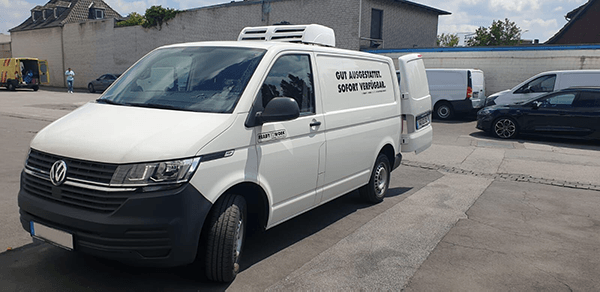
Fundamental Breakthroughs in Technology
Technological innovation in electric refrigeration units mainly focuses on three areas: energy management systems, temperature control accuracy, and system integration.
In terms of energy management, electric refrigerated trucks have achieved energy unification of the drive system and the refrigeration system. Advanced electronic control systems can dynamically optimize energy distribution strategies based on multi-dimensional parameters such as real-time road conditions, ambient temperature, and cargo characteristics. The application of variable frequency drive technology has significantly improved compressor energy efficiency, with some advanced models achieving a comprehensive energy efficiency improvement of more than 30% compared to traditional diesel units.
Significant progress has been made in temperature control accuracy. Electric compressors achieve precise power output through stepless speed regulation, and combined with a multi-zone temperature sensing network, the temperature fluctuation inside the compartment can be controlled within ±0.5℃. This precise temperature control capability is particularly suitable for the transportation of temperature-sensitive goods such as high-end pharmaceuticals, biological products, and precision instruments.
System integration is continuously improving. The new generation of electric refrigeration units adopts a modular design, deeply integrating the refrigeration system, battery system, and thermal management system. Some cutting-edge products have achieved integrated design of the compartment and the refrigeration system, reducing energy transfer losses and improving overall reliability.
The policy environment provides strong support.
Several favorable policies at the policy level have created a favorable environment for the development of electric refrigerated trucks. Many provinces and cities have introduced priority access policies for new energy logistics vehicles, providing great convenience for electric refrigerated trucks in terms of city access permits and operating hours. Some key cities have established green logistics demonstration zones in core areas, gradually restricting the entry of traditional fuel-powered refrigerated trucks.
Financial subsidies and tax incentives continue to play a guiding role. Although purchase subsidies are gradually decreasing, the combination of operating subsidies, charging discounts, and parking fee reductions effectively reduces the total life cycle cost of electric refrigerated trucks. The vehicle purchase tax exemption policy has been extended to the end of 2027, providing stable policy expectations for the market.
The industry's standards system is becoming increasingly comprehensive. A series of industry standards recently released, including technical standards, operating specifications, and safety requirements for electric refrigerated trucks, provide clear guidance for product development and market application. The development of key standards such as dedicated charging interface standards and battery safety standards has addressed some fundamental issues in the industry's development.Market demand shows structural changes.
The upgrading demand in the cold chain logistics market provides ample opportunities for electric refrigerated trucks. With consumption upgrades and the development of fresh food e-commerce, high-end cold chain demand is growing rapidly. The pharmaceutical cold chain market continues to expand, placing higher demands on the temperature control accuracy, reliability, and traceability of transportation equipment. Electric refrigerated trucks demonstrate significant advantages in these areas.
Operational cost advantages are gradually becoming apparent. In typical urban delivery scenarios, the energy cost of electric refrigerated trucks is only 40%-60% of that of traditional diesel vehicles. In terms of maintenance costs, the electric system structure is relatively simple, reducing routine maintenance items, making long-term operating costs more competitive. With advances in battery technology and mass production, the gap in purchase costs is gradually narrowing.
Application scenarios are constantly expanding. From initial urban distribution, applications are extending to intercity transportation, port transshipment, and specialized agricultural product transportation. Dedicated models for different scenarios are constantly emerging, such as small electric refrigerated trucks suitable for community group buying and extended-range refrigerated trucks for long-distance transportation, enriching the product matrix.
Supporting infrastructure construction is accelerating.
Charging network construction is entering the fast lane. Dedicated charging facilities are being rapidly built in key areas such as cold chain logistics parks, large wholesale markets, and port cold chain zones. Some companies have begun to explore "integrated charging and cooling" solutions, pre-cooling the cargo compartment while charging, improving operational efficiency. Battery swapping models are beginning to be piloted in specific scenarios.
Operation and maintenance service systems are gradually being established. Manufacturers and third-party service providers are jointly building a professional service system for electric refrigerated trucks. Intelligent service methods such as remote diagnostics and preventive maintenance are being applied. Repair technology training tailored to the characteristics of electric refrigerated trucks is widely conducted, and the professional technical personnel team is continuously growing.
Data service platforms are starting to gain traction. Vehicle operation data, temperature data, and energy consumption data are collected through vehicle networking technology to support operational optimization. Some platform companies are beginning to provide value-added services based on big data, such as route optimization, energy consumption management, and preventive maintenance, driving the industry's upgrade from equipment operation to data services.
Challenges and future development directions
Currently, the promotion of electric refrigerated trucks still faces some challenges. Challenges such as battery performance degradation in low-temperature environments, balancing driving range with refrigeration energy consumption, and the lack of high-power charging infrastructure require continuous research and development. High initial costs and an underdeveloped used vehicle market also affect the pace of adoption to some extent.
Future technological development will focus on several key areas: firstly, continuous breakthroughs in battery technology to improve energy density and low-temperature performance; secondly, optimization of intelligent temperature control systems for more precise energy-saving control; thirdly, the application of lightweight materials to reduce overall vehicle energy consumption; and fourthly, the integration of autonomous driving technology to improve operational efficiency and safety.
Industry collaboration is crucial. Vehicle manufacturers, refrigeration equipment suppliers, battery companies, and operating platforms need to strengthen cooperation to jointly promote standardization and modularization. Deep integration of industry, academia, and research is essential to accelerate breakthroughs in key technologies and the transformation of research results, building a complete industrial ecosystem.
The industry impact is far-reaching. The widespread adoption of electric refrigerated trucks is having a profound impact on the cold chain industry. Increased transparency and traceability in the transportation process provide stronger guarantees for food and drug safety. The fundamental change in the industry's energy consumption structure contributes to achieving carbon emission reduction targets in the cold chain logistics sector.
Innovative operating models are constantly emerging. New models such as shared cold chains and circular cold chains based on electric refrigerated trucks are being explored. The integration with renewable energy generation and energy storage systems provides new possibilities for building a green and intelligent cold chain system. The electrification of cold chain infrastructure lays the foundation for future intelligent upgrades.
This technology-driven industrial transformation is reshaping every aspect of cold chain logistics. From the farm to the consumer's table, from pharmaceutical factories to hospital pharmacies, a greener, smarter, and more efficient cold chain system is rapidly taking shape. Electric refrigerated trucks have not only changed the power source of transportation but are also driving the entire cold chain industry towards high-quality, sustainable development.