
Electric Air Conditioning: The Silent Revolutionary in the Trucking Industry
More Than Just a Change in Temperature
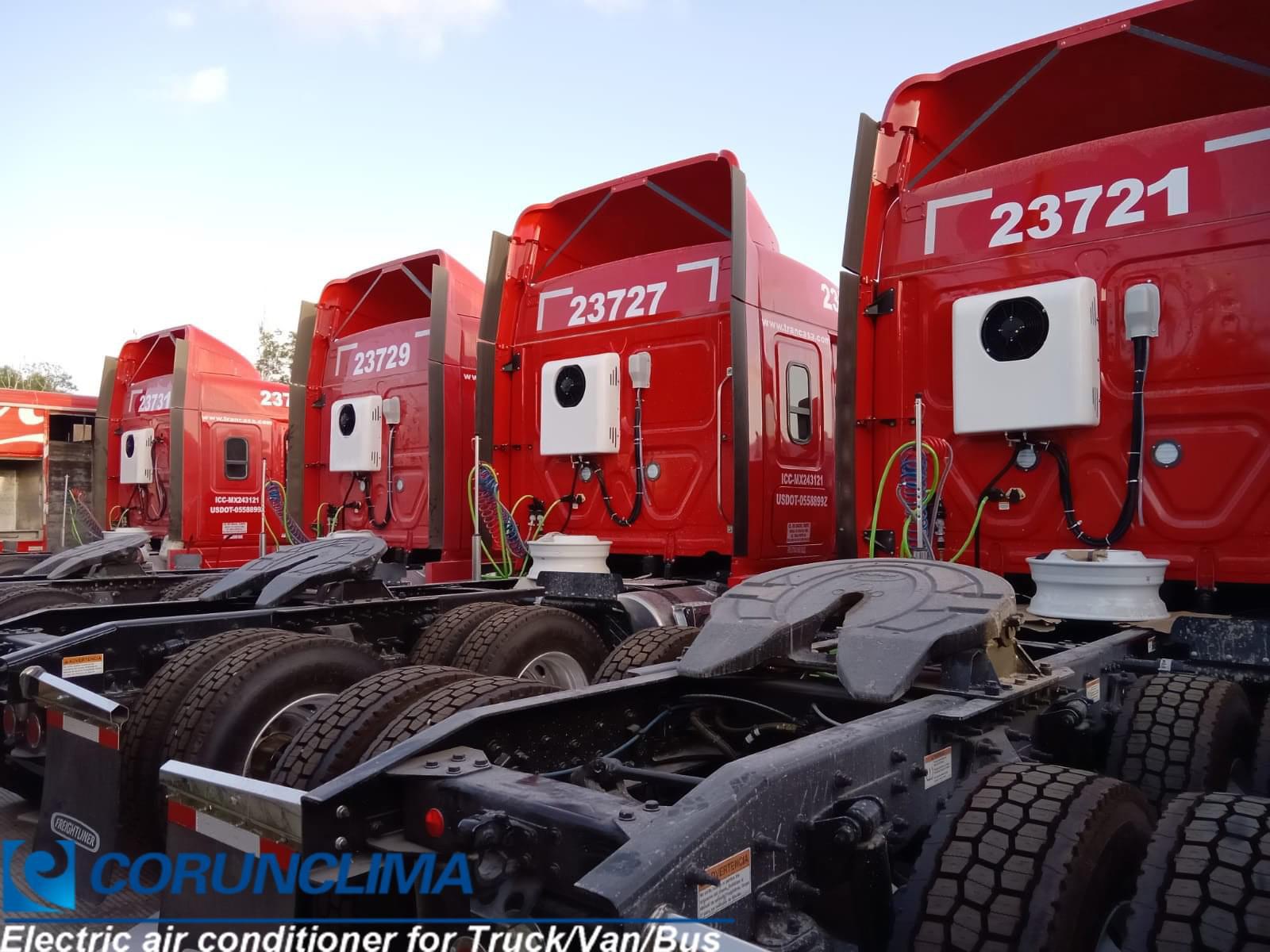
When the first electric air conditioner was installed in a truck cab, no one anticipated that this seemingly simple change would become the fulcrum for transforming the entire industry. This wasn't just a regular product upgrade, but a landmark turning point in the transformation of trucks from "cargo transport tools" to "intelligent mobile spaces." In this transformation, electric air conditioning for trucks is redefining the driver's working environment, the vehicle's energy management methods, and even the entire operational ecosystem of the logistics industry in its own unique way.
From Energy Burden to Intelligent Node
Traditional truck air conditioning, as a subsystem of the engine, has always been an energy consumption "black hole." When the vehicle is switched off, the air conditioning stops; when the engine is running, the air conditioning continuously consumes precious fuel. This dependency not only increases operating costs but also limits the usage scenarios of trucks. The emergence of electric air conditioning breaks this physical connection, making the air conditioning system an intelligent module that can operate independently.
The deeper change lies in the fact that electric air conditioning is evolving from a single temperature control device into a key node in the vehicle's energy management system. It is no longer a device that passively consumes energy, but an intelligent unit that actively participates in energy distribution and optimizes energy efficiency. When the truck is connected to the power grid for charging, the electric air conditioner can intelligently adjust its operating mode, balancing charging speed and cab comfort; when the vehicle is switched off for rest, it can maintain a suitable environment with minimal energy consumption. This shift in role marks a profound change in the design philosophy of truck systems.
A Spatial Revolution Behind the Silence
The roar of traditional diesel air conditioning is not only a source of noise pollution but also a direct intrusion on the driver's rest quality. One of the most intuitive changes brought about by electric air conditioning is silent operation – the cab transforms from a noisy workplace into a space where drivers can truly rest. This change may seem small, but it fundamentally reshapes the boundaries of truck drivers' work and life.
When mechanical noise disappears, the cab becomes a multi-functional space where drivers can conduct conference calls, participate in online learning, or even have remote family interactions. The truck is no longer just a means of transportation between two points, but a controllable and customizable personal environment for the driver on the road. This transformation of spatial attributes is subtly changing the professional experience and self-identity of truck drivers, and also providing a new direction for future truck design. ## Challenges and Opportunities of System Integration
The widespread adoption of electric air conditioning is not simply a matter of replacing components, but a systemic transformation involving overall vehicle design, energy management, and usage habits. It requires vehicles to be equipped with higher-capacity battery systems, redesigned power distribution networks, and the development of new thermal management strategies. These challenges are prompting truck manufacturers to rethink vehicle architecture, designing electric air conditioning as a core system rather than an add-on component.
At the same time, the intelligent features of electric air conditioning make it an ideal entry point into the connected vehicle ecosystem. By collecting cabin environment data, energy consumption patterns, and usage habits, the electric air conditioning system can work in conjunction with other on-board systems to optimize overall vehicle energy efficiency. This system integration not only improves vehicle performance but also creates new opportunities for truck manufacturers to transition from hardware sales to service provision.
A Microscopic Starting Point for Green Transformation
In the grand narrative of the truck industry's transition to electrification and green technologies, electric air conditioning plays an often overlooked yet crucial role. While not as attention-grabbing as powertrain electrification, it is a key element in reducing overall vehicle energy consumption and improving the practicality of electric trucks. An efficient electric air conditioning system can significantly reduce the power consumption of auxiliary systems from the drive battery, thereby extending the truck's actual driving range.
More importantly, the widespread adoption of electric air conditioning provides drivers and logistics companies with a low-barrier entry point to electrification technology. Compared to the complete electrification of the powertrain, the modification of the air conditioning system is easier to implement and less costly, yet allows users to directly experience the advantages of electric technology, such as quiet operation, high efficiency, and ease of maintenance. This gradual approach is subtly changing the industry's psychological acceptance of the transition to electrification.
The Emergence of a New Ecosystem
As electric air conditioning transforms from an independent device to an intelligent node, a new ecosystem centered around cabin environment management is emerging. This system includes not only hardware manufacturers but also energy management software developers, in-vehicle information service providers, and even health monitoring technology companies. The stable power output and intelligent control interface provided by electric air conditioning create possibilities for the integration of various on-board devices.
In the future, we may see a third-party application ecosystem based on the electric air conditioning platform: intelligent environmental control systems that automatically adjust temperature and humidity based on the driver's physiological state; cabins that transform into temporary offices or entertainment spaces during rest periods; and data collected by the air conditioning system used to optimize fleet scheduling and energy management. These possibilities are redefining the value boundaries of the truck cab. ## The Road Ahead
The development of electric air conditioning for trucks still faces numerous challenges: verifying system reliability in extreme environments, compatibility issues with traditional vehicle architectures, the need for technical upgrades to the maintenance network, and the impact of initial costs on adoption rates. However, these challenges are also motivating industry innovators to find breakthrough solutions.
This silent revolution led by electric air conditioning is reshaping the very nature of trucks—transforming them from mere transportation tools into configurable mobile spaces, from energy consumers into intelligent energy nodes, and from isolated workplaces into part of a connected ecosystem. When the last roaring diesel air conditioner disappears from trucks, we will not only be saying goodbye to an era, but also opening up a new possibility for trucks to coexist harmoniously with people, the environment, and technology.
In the quiet hum of electric truck air conditioning, we hear not only the upgrading of an industry, but also a profound transformation of working methods and lifestyles. This transformation may not have the dramatic impact of electric powertrains, but its pervasiveness and systemic nature are quietly changing the daily lives of thirty million truck drivers and reshaping every aspect of the logistics industry.