
12V Electric APU: A Compact Power Solution Transforming Modern Trucking
As the transportation industry continues to evolve toward energy efficiency and sustainability, the 12V electric APU (Auxiliary Power Unit) is gaining attention as a practical and cost-effective solution for light-duty and medium-duty trucks. Designed to deliver reliable cabin comfort and auxiliary power without engine idling, 12V electric APUs are becoming an essential upgrade for fleets seeking efficiency, compliance, and driver satisfaction.
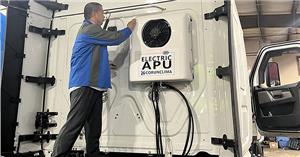
What Is a 12V Electric APU?
A 12V electric APU is a battery-powered system that operates on a truck’s 12-volt electrical architecture. Unlike traditional diesel APUs, it does not rely on fuel combustion. Instead, it uses onboard batteries to power air conditioning, heating, and electrical appliances during rest periods.
These systems are particularly suitable for:
Light-duty trucks and vans
Urban delivery vehicles
Owner-operator setups
Fleets focused on cost control and simplicity
With increasing demand for compact and efficient solutions, the 12V electric APU fills a crucial gap between basic battery systems and high-capacity 24V or diesel-powered units.
Key Features and Advantages
1. Fuel-Free Operation
A 12V electric APU eliminates the need for diesel during idle periods. This directly reduces fuel expenses and shields operators from fluctuating fuel prices.
2. Easy Installation and Compatibility
Because it operates on a standard 12V system, installation is straightforward. It integrates easily with most existing vehicle electrical setups, minimizing modification costs.
3. Quiet and Comfortable
Noise reduction is a major advantage. Without an engine running, drivers benefit from a quieter cabin environment, improving rest quality and overall well-being.
4. Low Maintenance Requirements
With no internal combustion engine, there are fewer moving parts to maintain. This reduces service intervals and long-term maintenance costs.
5. Eco-Friendly Performance
Zero emissions during operation make 12V electric APUs compliant with anti-idling regulations across many regions, including strict U.S. states like California.
Performance Considerations
While 12V electric APUs offer many advantages, they are typically designed for moderate power demands. Compared to higher-voltage systems, their cooling capacity and runtime may be more limited, depending on battery size and configuration.
Modern systems, however, are improving rapidly. With advanced lithium battery technology, many 12V APUs can now deliver several hours of continuous cooling—sufficient for short rest periods or urban logistics operations.
Ideal Applications
The 12V electric APU is best suited for scenarios where efficiency and simplicity outweigh the need for extended high-power output:
Last-mile delivery fleets
Refrigerated vans with auxiliary cooling needs
Service vehicles requiring stationary power
Regional trucking with shorter rest cycles
For long-haul heavy-duty trucking, higher-capacity electric APUs (such as 24V or integrated battery HVAC systems) may still be preferred.
Economic Benefits
From a financial perspective, the 12V electric APU offers strong value:
Lower upfront cost compared to diesel APUs
Immediate fuel savings by eliminating idling
Reduced engine wear and longer service life
Minimal maintenance expenses
These factors make it an attractive option for small fleets and independent drivers aiming to maximize return on investment.
Market Trends and Future Outlook
As battery technology continues to advance, the performance gap between 12V and higher-voltage systems is narrowing. Manufacturers are focusing on:
Increasing battery capacity without adding weight
Enhancing cooling efficiency
Improving smart energy management systems
With tightening emissions regulations and growing awareness of sustainability, 12V electric APUs are expected to see broader adoption, particularly in urban and regional transport sectors.