
DC Electric Truck A/C Becoming Standard: Moving from the "Fuel-Burning Era" to the "Quiet Comfort Era"
In recent years, driven by a growing emphasis on driver well-being within the logistics industry and increasingly strict societal demands for energy conservation and emission reductions in commercial vehicles, DC electric truck air conditioners (often referred to as "parking coolers") are rapidly transitioning from optional extras to standard equipment. Designed specifically for use during stationary periods—such as waiting or overnight rest—this onboard electrical system is profoundly transforming the lifestyle of millions of long-haul truck drivers and has become a focal point of technological innovation in the commercial vehicle sector.
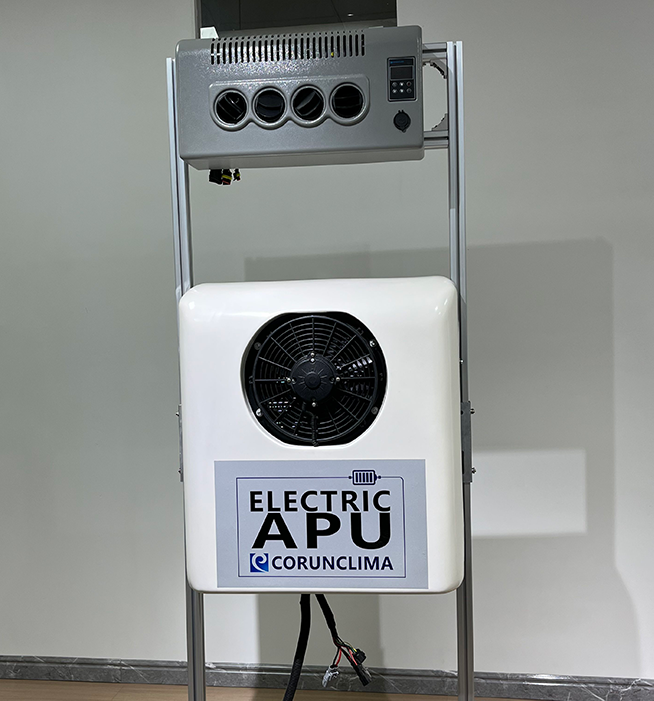
Saying Goodbye to Idling Fuel Consumption: A Win-Win for Efficiency and Comfort
Traditionally, truck drivers relied on engine idling to power the air conditioning during rest stops. This practice not only consumed significant amounts of fuel and raised operating costs but also generated constant noise and exhaust emissions, compromising both rest quality and environmental safety. Furthermore, prolonged idling accelerated engine wear and shortened maintenance intervals.
The advent of DC electric air conditioning has effectively solved this problem. Powered by the vehicle's own low-voltage DC power supply, these units provide independent cooling without the need to run the engine. Their core advantage lies in the ability to shut the engine off completely while parked, thereby eliminating fuel consumption and carbon emissions associated with idling. Additionally, the electric compressors operate smoothly with significantly lower vibration and noise levels compared to engine-driven systems, creating a quiet and comfortable resting environment inside the cab. For truck drivers who essentially live in their vehicles, this translates to higher-quality sleep and reduced fuel expenses—delivering a dual benefit of economic efficiency and enhanced comfort.
Accelerating Technological Evolution: Variable-Frequency and Smart Features Become the Mainstream
The technology behind DC electric air conditioners is maturing rapidly. Full DC variable-frequency technology, in particular, is gaining market dominance due to its superior energy efficiency and quiet operation. Unlike fixed-frequency models, variable-frequency units automatically adjust compressor speed based on the temperature difference between the cab interior and the outside air; this maintains a constant temperature while drastically reducing power consumption and extending battery life per charge. Moreover, features such as low-voltage protection, intelligent temperature control, and remote start/stop capabilities are becoming increasingly common, further enhancing the product's practicality and convenience. In terms of structural design, products are diversifying—featuring configurations such as roof-mounted integrated units and rear-mounted split systems—to accommodate various cab layouts and installation requirements. Some high-end products have achieved deep integration with the vehicle's electrical system, allowing for control via the factory-installed central console or smartphone apps, thereby significantly enhancing their level of intelligence.
Active Industry Response and Emerging Market Landscape
Driven by robust market demand, numerous traditional home appliance manufacturers, automotive parts suppliers, and specialized in-vehicle appliance brands have entered this niche sector. Companies are continuously investing in R&D for core components—such as DC inverter compressors, high-efficiency heat exchangers, and intelligent control algorithms—driving steady improvements in cooling efficiency, reliability, and durability. Several well-known product lines have already emerged, catering to a wide range of vehicles from long-haul heavy-duty trucks to light commercial vehicles. Simultaneously, the aftermarket retrofit sector remains active, offering convenient upgrade solutions for existing vehicles.
Regarding industry collaboration, vehicle manufacturers are increasingly incorporating parking air conditioners into their new vehicle planning; some mainstream heavy-duty truck brands now offer factory-installed units on high-end models, further accelerating the technology's large-scale adoption.
Clear Policy Direction and Steady Progress in Standardization
From a policy perspective, the state continues to promote the green, low-carbon transformation of the transportation sector, encouraging the development of commercial vehicles powered by new energy and clean energy. Against this backdrop, electric parking air conditioners are widely recognized for their value in reducing vehicle idling emissions. Meanwhile, the industry's technical standards and testing protocols are becoming increasingly comprehensive—covering key metrics such as electric compressor performance, overall unit safety, and electromagnetic compatibility—thereby providing a solid foundation for product quality and orderly market competition.
It is foreseeable that with maturing technology, declining costs, and growing user awareness, DC electric air conditioners for trucks will see expanded growth opportunities, helping China's logistics industry advance steadily toward greater efficiency, sustainability, and human-centric design. For the millions of truck drivers on the road, a mobile home where they can "quietly enjoy the cool air" is transforming from a vision into reality.