
DC Electric Refrigeration Units: Leading a New Trend in Green
Refrigeration Against the backdrop of the global acceleration of green and low-carbon development, DC electric refrigeration units, with their outstanding advantages such as high efficiency, environmental friendliness, and compatibility with renewable energy, are gradually becoming an important direction for the transformation and upgrading of the refrigeration industry. Whether it's the integrated thermal management of new energy vehicles or the green transformation of cold chain logistics, DC refrigeration technology is injecting new momentum into multiple fields.
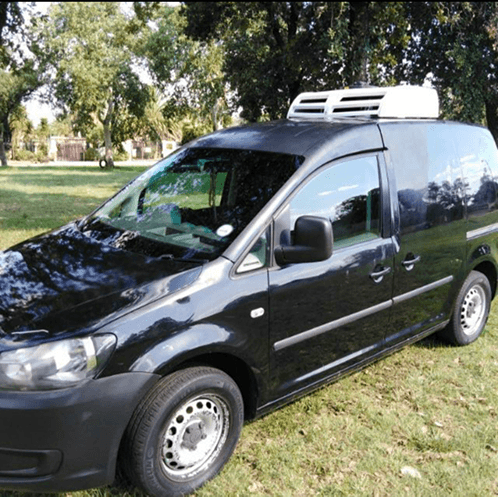
Energy Efficiency Leap: DC Direct Drive Overcomes Conversion Losses
DC electric refrigeration units use DC power to directly drive the compressor and related refrigeration components, eliminating the inverter stage required by traditional AC systems. The most direct benefit of this design is improved energy efficiency. Traditional refrigeration equipment using DC power sources such as photovoltaics requires a DC-to-AC conversion process, each conversion resulting in energy loss. DC direct drive technology achieves efficient matching between source and load, making energy utilization more efficient. At the same time, DC units generally use permanent magnet synchronous motors or DC brushless motors, with a wide speed range and high control precision. They can flexibly adjust the refrigeration output according to actual load demand, avoiding excessive refrigeration (like using a large motor for a small load), thus maintaining high operating efficiency under all operating conditions.
Stable and Reliable: Long-Life Solution for Harsh Operating Conditions
In terms of reliability, DC electric refrigeration units also perform exceptionally well. By eliminating complex inverter components and some mechanical transmission structures, the number of potential failure points is reduced, leading to lower maintenance costs. This is especially true for mobile refrigeration equipment operating under vibration and bumpy conditions, such as new energy refrigerated trucks and electric cold chain transport vehicles, where the stability and weather resistance advantages of DC solutions are even more pronounced. Furthermore, DC units have low starting current, resulting in less impact on the power supply system and effectively extending the lifespan of batteries and related circuits.
Expanding Applications: From New Energy Vehicles to Zero-Carbon Parks
From an application perspective, DC electric refrigeration units are rapidly being deployed across multiple industries. In the field of new energy vehicles, with the increasing penetration rate of pure electric trucks and logistics vehicles, traditional engine-driven compressor refrigeration methods are no longer suitable. DC refrigeration units, powered directly by onboard high-voltage DC power supplies, achieve all-electric refrigeration, not only meeting zero-emission environmental requirements but also enabling continuous operation while parked and charging, greatly improving the flexibility of cold chain transportation. In building-integrated photovoltaics (BIPV) and zero-carbon industrial parks, DC chillers can be directly coupled to solar photovoltaic panels, utilizing photovoltaic power for cooling during the day and storing the cooled energy for use at night or during cloudy/rainy weather, truly constructing a zero-carbon cooling and heating system that integrates photovoltaics, energy storage, and cooling. Furthermore, in applications with high power supply reliability requirements, such as communication base stations, data centers, and medical refrigerators, DC refrigeration equipment is more easily matched with energy storage systems, achieving integrated peak shaving, valley filling, and emergency backup operation.
Industry Acceleration: Full-Chain Collaboration Towards Maturity
Currently, the industrialization process of DC electric chillers is accelerating. In upstream materials and components, key technologies such as high-performance permanent magnet materials, DC brushless motors, and silicon carbide power devices are maturing, laying the foundation for the large-scale production of DC compressors. In the midstream complete machine manufacturing sector, more and more companies are beginning to develop DC product lines, from micro DC compressors to large DC centrifugal chillers, continuously enriching the product portfolio. Downstream certification and standards systems are also being improved simultaneously, with a series of energy efficiency evaluation methods and safety specifications for DC refrigeration equipment being successively introduced, providing technical support for market promotion.
Promising Future: A New Direction for Green Refrigeration
Looking ahead, with the deepening of "dual-carbon" goals and the continuous improvement of new energy infrastructure, DC electric refrigeration units are expected to replace traditional AC fixed-frequency equipment in a wider range of scenarios. From household solar refrigerators to unmanned delivery cold chain cabinets, from mobile emergency cooling stations to refrigerated cabins on electric ships, DC refrigeration technology will continue to expand its application boundaries. It is foreseeable that a refrigeration technology revolution centered on DC technology is quietly emerging and will play an increasingly important role in the wave of green and low-carbon development.