
DC Electric Ambulance Air Conditioning: A New Benchmark for Emergency Medical Transport
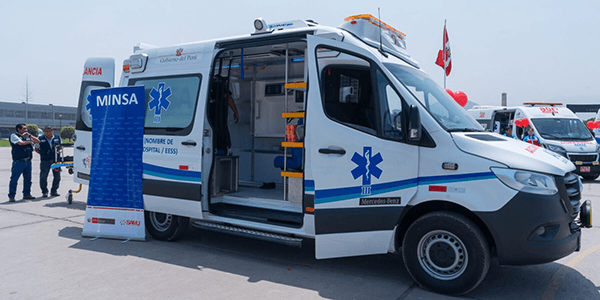
In the evolving landscape of pre-hospital care, the vehicle itself is no longer just a means of transportation—it is a mobile clinical environment. Among the most critical yet often overlooked components of that environment is the climate-control system. Corunclima has reinforced its position in this specialized field with the continued rollout of its T35B DC Electric Ambulance Air Conditioner, a system designed to meet the unique operational demands of emergency medical services worldwide.
Unlike conventional vehicle air conditioning that ties cabin cooling directly to engine operation, the T35B operates as an independent electric unit. This distinction carries significant practical advantages for ambulance crews. During patient loading, emergency scene stops, or prolonged standby periods, the system maintains stable cooling without requiring the engine to idle continuously. The result is a quieter, more comfortable working environment inside the patient compartment, reduced fuel consumption, and less mechanical strain on the vehicle.
From a clinical perspective, stable temperature control is not merely a matter of comfort. Vulnerable patients—including those with cardiovascular conditions, heat sensitivity, or trauma—can experience physiological stress when exposed to excessive heat inside an ambulance. Medical supplies such as certain medications, intravenous fluids, and diagnostic reagents may also be temperature-sensitive. A reliable 24V DC air conditioning system helps preserve both patient stability and supply integrity throughout the transport chain.
The T35B’s engineering reflects a clear understanding of real-world ambulance operations. The unit features a compact rooftop design that preserves precious interior space for stretchers, equipment, and attending personnel. Its low-noise performance is particularly relevant during onboard treatment, where excessive background sound can hinder auscultation, communication, and patient reassurance. Additionally, the system is built to withstand the vibration, dust, and thermal extremes commonly encountered by emergency fleets operating across diverse terrains and climates.
For fleet managers and healthcare transport operators, long-term reliability and serviceability are as important as cooling performance. Corunclima has designed the T35B with modular components and simplified maintenance access, reducing downtime and extending the operational life of the unit. This focus on durability becomes especially valuable for organizations managing large ambulance fleets across multiple jurisdictions, where consistent equipment performance directly affects emergency response readiness.
The growing adoption of electric auxiliary systems in the emergency vehicle sector reflects a broader shift toward energy-efficient and operationally intelligent fleet management. Ambulance services are increasingly recognizing that traditional engine-driven air conditioning, while familiar, introduces unnecessary fuel costs, emissions, and engine wear—particularly in hot climates where cooling demand is high and idle times are long. Electric solutions like the T35B align with modern fleet sustainability goals without sacrificing the cooling capacity required for urgent medical missions.
Corunclima’s expertise extends beyond ambulance air conditioning. The company has developed a comprehensive portfolio of electric climate-control products for commercial and specialty vehicles, including transport refrigeration units, electric parking air conditioners for trucks and vans, and customized thermal solutions for cold-chain logistics. However, the healthcare transportation segment remains a strategic focus, given the high standards for safety, reliability, and performance that medical applications demand.
As emergency medical systems around the world continue to upgrade their vehicle specifications, the integration of purpose-built electric air conditioning is becoming a distinguishing feature of well-equipped ambulance fleets. The T35B represents one such solution—engineered not as an aftermarket addition but as a core component of the modern emergency vehicle architecture. By decoupling cabin cooling from engine operation, it allows medical personnel to focus on what matters most: patient care.
Looking ahead, the role of dedicated electric climate control in healthcare transport is expected to expand further. With advances in vehicle electrical systems, battery technology, and telematics, ambulance air conditioners will increasingly be integrated into smart fleet management platforms, enabling real-time monitoring, predictive maintenance, and optimized energy use. Corunclima continues to invest in these capabilities, ensuring that its products evolve alongside the needs of emergency responders and healthcare systems globally.
The ongoing deployment of the T35B across various international healthcare projects serves as a practical validation of this approach. Without relying on dated engine-coupled designs, the system delivers dependable cooling, operational independence, and long-term value—three pillars that define the next generation of ambulance climate control.