
Corunclima Electric Air Conditioning Systems Integrated into Peruvian Ambulance Fleet, Aiding Emergency Transport Challenges in Complex Climates
A new fleet of ambulances, equipped with Corunclima’s independent electric air conditioning systems, has been officially integrated into Peru’s public healthcare transport network. Coordinated by the Peruvian Ministry of Health (MINSA) and supported by the United Nations Office for Project Services (UNOPS) for procurement and project management, this initiative aims to enhance nationwide emergency response capabilities—specifically ensuring stable and reliable patient transport in regions characterized by high temperatures, high humidity, and extreme diurnal temperature fluctuations.
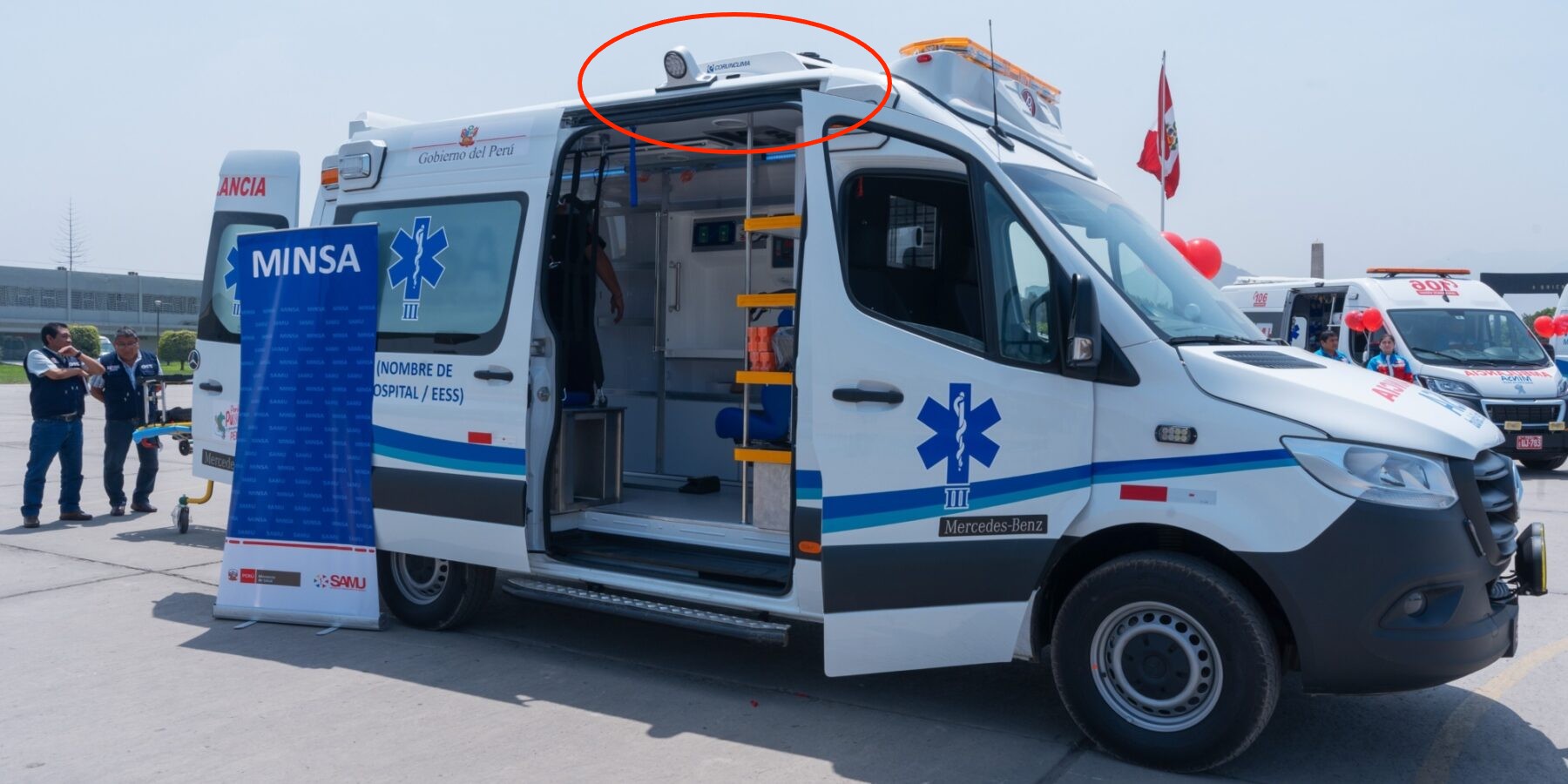
During the handover ceremony, the President of Peru joined local government officials and representatives from the healthcare sector to formally accept the vehicles. These ambulances will be prioritized for deployment in administrative regions with limited emergency coverage or particularly harsh climatic conditions, serving as "mobile lifelines" connecting communities to medical facilities.
Electric Air Conditioning Solves Long-Standing Challenges in Emergency Medical Transport
In emergency medical transport, the temperature-controlled environment within the vehicle cabin directly impacts the stability of patients' vital signs and the operational efficiency of medical personnel. Traditional air conditioning systems—which rely on the vehicle's engine idling to function—face significant limitations. When vehicles are required to remain stationary for extended periods at accident scenes, stuck in heavy traffic, or on standby at emergency stations, the engine often struggles to maintain the RPMs necessary for continuous cooling. This results in rising temperatures in the rear cabin, which not only compromises the precision of medical equipment but also poses additional risks to patients suffering from trauma, burns, or cardiovascular emergencies.
The independent electric air conditioning systems provided by Corunclima for this ambulance fleet are powered by the vehicle's onboard electrical supply, operating completely independently of the engine's status. Whether the vehicle is driving, parked, or idling on standby, the system consistently delivers stable cooling, ensuring the rear cabin maintains its set temperature at all times. This technical feature is particularly well-suited to the extreme heat of Peru’s coastal desert regions, the intense solar radiation of the Andean highlands, and the humid, sultry weather of the Amazon rainforest zones.
Low Noise, Low Fuel Consumption: Balancing Clinical Environment Needs with Operational Efficiency
Beyond cooling stability, this electric air conditioning system has also been specifically optimized for emergency medical scenarios in terms of noise control. Its low-noise operation allows medical personnel to communicate clearly and use stethoscopes accurately during transport, while also reducing the psychological stress experienced by conscious patients. Furthermore, because the air conditioning system no longer draws power from the engine—thereby reducing the load on the pulley system—individual vehicle fuel consumption has dropped significantly. This helps lower long-term operating costs for healthcare institutions while also mitigating issues related to exhaust emissions and noise pollution in the vicinity of emergency medical stations.
Aligning with Global Trends in Medical Fleet Upgrades
The successful implementation of this project in Peru marks another significant endorsement of Corunclima’s electric climate control solutions for specialized vehicles within the Latin American market. Air conditioning in ambulances is not merely a standard comfort feature; rather, it constitutes an integral component of the emergency medical quality assurance system. Amidst the rising frequency of extreme weather events worldwide and the increasingly stringent demands placed on public health systems regarding "pre-hospital emergency care quality," vehicle-mounted temperature control technologies—characterized by electrification, independent operation, and precision—are rapidly transitioning from optional add-ons to standard equipment.
Corunclima remains steadfastly focused on the fields of electric air conditioning and transport refrigeration for commercial and specialized vehicles. Its products have already been deployed across numerous countries and regions in critical assets such as ambulances, refrigerated vaccine transport vehicles, and emergency communication units. By continuously optimizing compressor efficiency, corrosion-resistant designs, and electronic control logic capable of adapting to wide voltage fluctuations, the company is dedicated to delivering reliable and easily maintainable cabin environment solutions capable of withstanding a wide range of harsh operating conditions.
Supporting Healthcare Equity Through Reliable Temperature Control
For Peru, this fleet of ambulances—now equipped with advanced air conditioning systems—represents more than just a hardware upgrade; it constitutes a concrete initiative aimed at bridging the gap in emergency medical resources between urban and rural areas. A stable transport environment helps minimize the risk of patient condition deterioration caused by uncontrolled temperatures during transit, thereby enhancing the success rate of patient transfers from remote regions. Corunclima has affirmed its commitment to continuing collaboration with national health authorities and international organizations, leveraging practical, efficient, and affordable technologies to help global medical transport systems bolster their resilience against future challenges.