
Advanced Refrigeration Units for Electric Truck Applications Drive the Future of Sustainable Cold Chain Logistics
As cities worldwide introduce stricter emission regulations and logistics companies accelerate fleet electrification, traditional diesel-powered refrigeration systems are facing new challenges. Electric trucks require refrigeration solutions that can provide reliable cooling performance without affecting driving range or consuming excessive vehicle battery power.
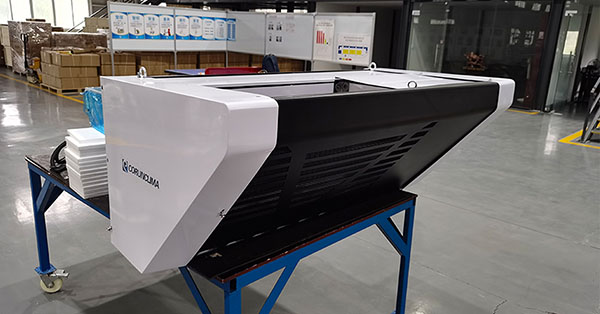
The latest generation of refrigeration units for electric trucks is designed specifically to meet these requirements. Unlike conventional engine-driven refrigeration systems, advanced electric refrigeration units operate independently and provide continuous temperature control even when the vehicle is parked or the main engine is switched off. This makes them particularly suitable for urban delivery, multi-stop distribution, food transportation, pharmaceutical logistics, and other temperature-sensitive applications.
One of the key advantages of electric truck refrigeration technology is energy independence. Modern systems equipped with dedicated battery power sources can operate without draining the truck’s main driving battery, helping protect vehicle range and improving fleet efficiency. For electric truck operators, this means refrigeration performance can be maintained without compromising transportation capability.
In addition to supporting zero-emission transportation, these refrigeration units provide significant operational benefits. Electric systems eliminate engine idling during loading and unloading, reducing fuel consumption, maintenance requirements, and noise pollution. The quieter operation is especially valuable for nighttime deliveries and urban environments where noise restrictions are becoming increasingly common.
For cold chain businesses, temperature stability is a top priority. Electric refrigeration units for trucks are engineered to maintain consistent cooling conditions for chilled and frozen products, helping prevent cargo losses caused by temperature fluctuations. Depending on vehicle size and transportation needs, different models can support various truck compartments, from small delivery vehicles to medium-sized commercial trucks.
Industry suppliers are also focusing on easier installation, longer service life, and improved reliability. Compact designs that integrate key refrigeration components allow faster installation and reduce system complexity. With low-voltage safety designs and durable construction, these systems are becoming an important part of next-generation electric logistics fleets.
As e-commerce, fresh food delivery, and pharmaceutical transportation continue to expand, demand for efficient temperature-controlled transportation is expected to grow rapidly. Refrigeration units for electric trucks will play an increasingly important role in helping logistics companies achieve sustainability goals while maintaining high-quality cold chain operations.
The transition toward electric transportation is not only changing how trucks are powered but also transforming how goods are preserved during delivery. With advanced electric refrigeration technology, the future of cold chain logistics is becoming cleaner, quieter, and more efficient.