
Accelerating the Green Transition in Cold Chain Logistics: All-Electric Refrigeration Units Emerge as the New Industry Standard
From Roaring Diesel to Quiet, Clean Electric
Driven by the ongoing pursuit of "Dual Carbon" goals—achieving peak carbon emissions and carbon neutrality—the traditional cold chain transport sector is undergoing a profound transformation, shifting from a reliance on fossil fuels to full electrification. As a core component of cold chain logistics, all-electric refrigeration units are rapidly moving from the conceptual stage to large-scale commercial deployment. Thanks to their standout advantages—including zero emissions, low noise levels, and high efficiency—they are fast becoming the preferred choice for major logistics enterprises looking to modernize their fleets.
For decades, refrigeration units in cold chain transport have relied primarily on diesel engines for power. This approach not only entails high fuel consumption but also faces increasingly stringent emission regulations, particularly within urban distribution networks. The noise and exhaust fumes generated by diesel units have long been operational pain points—especially when making deliveries to residential areas during nighttime hours. The advent of all-electric refrigeration units offers a fundamental solution to this persistent dilemma.
The Key to Breaking the Bottleneck in Urban Distribution
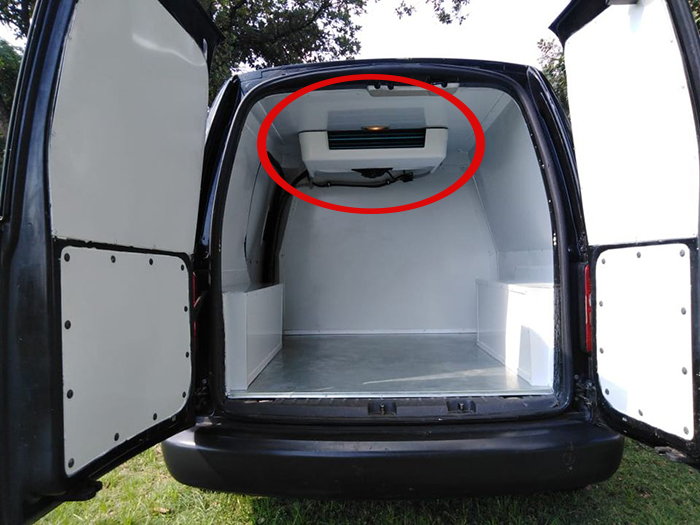
All-electric refrigeration units are powered directly by the vehicle's onboard traction battery or a dedicated independent battery pack, utilizing high-efficiency variable-frequency compressors to achieve precise temperature control. Compared to traditional models, these units generate absolutely no exhaust emissions during operation, while simultaneously achieving a drastic reduction in noise levels. This allows cold chain vehicles to access core urban zones with greater ease, enabling them to complete deliveries to supermarkets, restaurants, and retail outlets during the night or early morning hours—free from the constraints of noise ordinances and emission standards.
Precise Temperature Control and Smart Connectivity
Beyond their environmental and low-noise advantages, all-electric refrigeration units also demonstrate significant advancements in terms of temperature control precision and operational management. By incorporating variable-frequency drive technology, these units can adjust their cooling output in real-time based on actual temperature fluctuations within the cargo compartment. This eliminates the frequent start-stop cycles characteristic of traditional fixed-frequency units, thereby maintaining temperature stability within an extremely narrow range. This capability is particularly critical for temperature-sensitive cargo such as pharmaceuticals, vaccines, premium fresh produce, and dairy products. Furthermore, many all-electric units now feature deeply integrated smart control systems; fleet managers can utilize remote monitoring platforms to track the real-time operational status, temperature logs, and diagnostic alerts for every unit, enabling proactive maintenance and effectively mitigating the risk of cargo spoilage during transit. **Operational Cost Advantages Gradually Unfolding**
From the perspective of operational costs, the advantages of all-electric refrigeration units are gradually becoming apparent. Electricity costs are typically lower than diesel costs, and the electric architecture significantly reduces the need for the maintenance and replacement of wear-and-tear components—such as belts, spark plugs, and oil filters—thereby leading to a marked reduction in daily maintenance workload. Although there remains a certain disparity in initial procurement costs, the total cost of ownership over the entire product lifecycle has already demonstrated its competitiveness, driven by the continuous decline in power battery prices and the realization of economies of scale through mass production.
Steering Toward a New Era of Low-Carbon Cold Chains
Looking ahead, driven by the widespread adoption of high-voltage fast-charging technology, improvements in battery energy density, and the increasing integration of vehicle electronic control architectures, all-electric refrigeration units are poised to achieve further cost reductions while enhancing both range and reliability. It is foreseeable that, propelled by the dual waves of green logistics and smart logistics, all-electric refrigeration units will no longer be merely an experimental endeavor for "early adopters," but will instead become a core standard feature as the entire cold chain industry transitions into a low-carbon, high-efficiency era.