
A Silent Cold Chain Revolution: Electric Refrigeration Technology in Vans Reshapes the Logistics Ecosystem
Before the city fully awakens in the early morning, a white van quietly drives into a distribution center. Unlike the roar of traditional diesel engines, this vehicle operates almost silently, with only a slight hum of electrical current indicating that its refrigeration system is working. This signifies a comprehensive revolution in the cold chain logistics industry, from power sources to temperature control methods—electric refrigeration technology is changing the way vans control temperature, bringing a greener and more efficient future to the logistics industry.
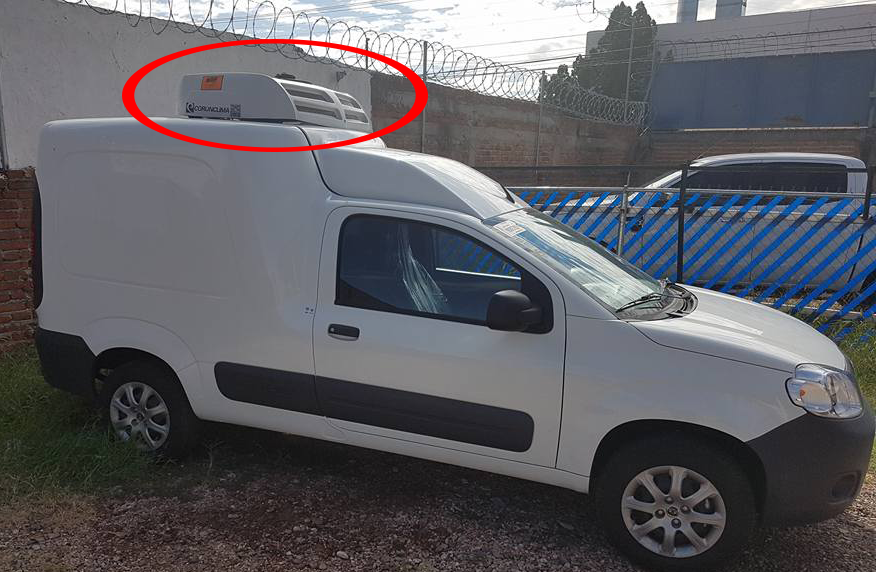
Silent Transformation: Refrigeration Technology Embraces the Electrification Wave
As a backbone of urban delivery, the energy transformation of refrigeration systems in vans has become an inevitable trend in the industry. Traditional diesel refrigeration units have long been the standard configuration for cold chain transportation, but with increasing environmental protection requirements and stricter urban noise restrictions, electric refrigeration technology is gradually emerging.
Electric refrigeration units use direct electric drive, powering the compressor through a battery pack to control the temperature inside the van. This transformation not only changes the way energy is used but also fundamentally optimizes the working logic of the refrigeration system. Compared to traditional diesel engine units, electric refrigeration systems have a simpler structure, reducing mechanical transmission components and thus improving overall system reliability and energy efficiency.
With the continuous maturation of new energy vehicle technology and the gradual decrease in battery costs, the economics and practicality of electric refrigeration units are rapidly improving. More and more logistics companies and cold chain service providers are paying attention to and trying to adopt this new technology, driving the entire industry towards a more environmentally friendly and efficient direction.
Green Advantages: The Multiple Values of Electric Refrigeration Technology
The promotion and application of electric refrigeration technology has brought multifaceted value enhancements to the cold chain logistics industry. In terms of environmental performance, electric refrigeration units achieve zero direct emissions during operation, significantly reducing the impact on urban air quality. Compared to diesel engine units, electric systems have a natural advantage in energy conservation and emission reduction, aligning with the current global trend of low-carbon economic development.
Optimized operating costs are another major highlight of electric refrigeration technology. Although the initial investment may be relatively high, the long-term energy cost savings are significant. Electric refrigeration systems have higher energy conversion efficiency and relatively lower maintenance requirements, all of which bring considerable economic benefits to cold chain operators.
Electric refrigeration units also improve the working environment and urban living environment. The noise problem of traditional diesel engine units is fundamentally solved in electric systems, enabling refrigerated vehicles to operate over a wider range of time periods and areas, unaffected by noise limitations. Simultaneously, reduced vibration and smoother operation provide better transportation conditions for goods, especially fragile or high-value temperature-sensitive items.
Precise Temperature Control: Technological Innovation Enhances Cold Chain Quality
The accuracy and stability of temperature control are core requirements of cold chain logistics, and electric refrigeration technology demonstrates significant advantages in this regard. Electric systems can achieve more precise temperature regulation, faster response, and higher temperature control accuracy, providing a more stable transportation environment for goods.
Traditional diesel refrigeration units often suffer from large temperature fluctuations, while electric systems, through advanced electronic control technology, can achieve near-constant temperature maintenance. This stable temperature control capability is particularly important in temperature-sensitive fields such as pharmaceutical cold chain and high-end food transportation, directly affecting the quality and safety of goods.
The intelligence level of electric refrigeration systems is also significantly improved. By integrating sensors and control systems, the unit can monitor parameters such as temperature and humidity inside and outside the vehicle compartment in real time and automatically adjust its operating status to adapt to different conditions. This adaptive capability not only improves temperature control but also reduces the workload of operators.
System Challenges: Practical Considerations for Technology Promotion
While electric refrigeration technology holds great promise, its practical promotion still faces several challenges. Range is one of the most pressing issues for electric refrigerated trucks. The refrigeration system consumes a significant amount of electricity, placing higher demands on battery capacity and energy management. Balancing refrigeration needs with driving range is a challenge that technology developers and operating companies need to address together.
The completeness of charging infrastructure also affects the speed of electric refrigeration technology adoption. Refrigerated trucks often require continuous operation, and the convenience and speed of charging directly impact operational efficiency. Compared to ordinary electric vehicles, refrigerated trucks have more specific requirements for charging facilities, necessitating collaborative efforts from both within and outside the industry to advance related infrastructure development.
Relatively high initial investment costs are another practical consideration. While long-term operating costs are advantageous, the high purchase cost may still deter some small and medium-sized enterprises. Lowering the initial investment threshold through financial innovation and policy support is a key factor in promoting technology adoption.
Ecosystem Restructuring: Electric Refrigeration Leads Industry Transformation
The rise of electric refrigeration technology is reshaping the entire cold chain logistics ecosystem. Profound changes are occurring at every stage, from vehicle manufacturing to energy supply, from operation management to service models.
The vehicle design and manufacturing sector is actively responding to this trend. More and more commercial vehicle manufacturers are launching models specifically designed for electric refrigeration, optimizing vehicle layouts to accommodate the unique needs of battery packs and refrigeration systems. Innovative solutions such as vehicle-battery separation and battery swapping are also being explored, providing more possibilities for the electrification of the cold chain.
The energy supply system is also facing adjustments. Charging service providers are developing dedicated charging solutions for the specific needs of cold chain vehicles, such as centralized charging at night and rapid charging services. Some companies are also exploring the integration of renewable energy with cold chain electrification to build a greener cold chain energy ecosystem.
Operation management models are also being revolutionized. The intelligent features of electric refrigerated vehicles enable remote monitoring, preventative maintenance, and intelligent scheduling. Data-driven, refined management is replacing traditional experience-based operating methods, improving the efficiency and reliability of the entire cold chain.
Future Outlook: Intelligent and Green Development in Parallel
Looking ahead, electric refrigeration technology will be deeply integrated with intelligent and networked technologies, propelling cold chain logistics into a new stage of development. With the integration of technologies such as the Internet of Things (IoT) and artificial intelligence (AI), electric refrigeration systems will be more than just temperature control tools; they will become crucial nodes in the digitalization of the cold chain.
It is foreseeable that future electric refrigeration units will possess stronger autonomous decision-making capabilities. The system will be able to automatically optimize operating strategies based on factors such as cargo characteristics, transportation routes, and weather conditions, maximizing energy efficiency while ensuring effective temperature control. Simultaneously, data interoperability with other links in the supply chain will make end-to-end visibility and traceability of the cold chain a norm.
Green development remains a long-term theme. With the increasing proportion of renewable energy and advancements in battery technology, the environmental advantages of electric refrigerated trucks will be further amplified. Zero-emission cold chain transportation will not only become the standard configuration for urban delivery but is also expected to expand into longer-distance trunk transportation.
The urban cold chain system will also be optimized due to the widespread adoption of electric refrigeration technology. The quiet and zero-emission characteristics of refrigerated vehicles allow them to integrate more flexibly into the urban environment, expanding their service range and operating hours. This will not only improve urban logistics efficiency but also bring greater convenience to residents' lives.
From the roar of diesel engines to the silence of electric motors, the transformation of refrigeration technology in vans is not merely an equipment upgrade, but a revolution in the entire cold chain logistics concept. As the technology matures and the ecosystem improves, electric refrigeration will drive the cold chain industry towards a greener, smarter, and more efficient direction, creating greater value for the logistics industry and society as a whole. This silent cold chain revolution is quietly changing the way goods are controlled at temperature, reshaping the face of the logistics industry.