
A New Revolution in Cold Chain Logistics: Electric Refrigeration Units for Box Trucks Lead the Way to a Green Future
As global environmental awareness rises and the demand for urban logistics and delivery services surges, electric refrigeration units for box trucks are stepping out of the shadows and into the spotlight, spearheading a profound yet subtle "green revolution" within the cold chain logistics sector.
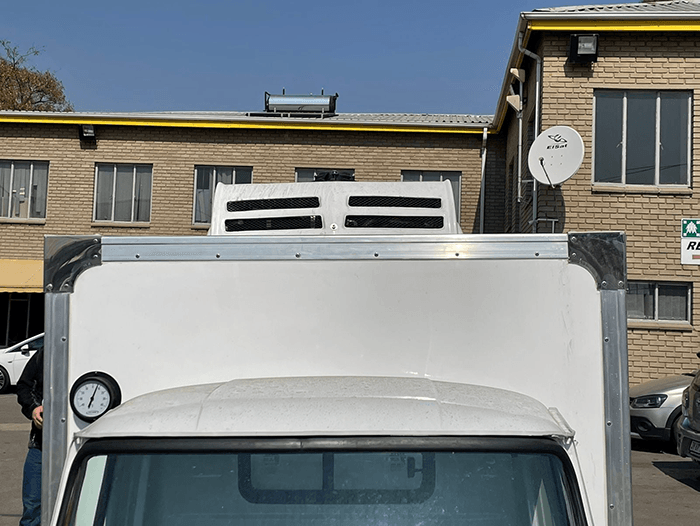
Traditional refrigerated trucks typically rely on diesel-driven refrigeration units; while these units maintain a constant temperature within the cargo compartment, they simultaneously emit exhaust fumes and generate noise that pollutes the environment. Today, however, breakthroughs in the core technology of electric refrigeration units are fundamentally altering this landscape. These new, high-efficiency electric compressor units integrate ultra-high-speed motors and advanced bearing systems within a compact structure. Compared to traditional diesel-powered counterparts, they boast a smaller footprint, lighter weight, and significantly lower operational noise levels. Specifically designed for electric vehicle platforms, these units integrate seamlessly with the vehicle's internal systems, support high-efficiency heat pump operation, and are compatible with eco-friendly refrigerants—thereby achieving a dual enhancement in both refrigeration efficiency and environmental performance.
Silent and Low-Carbon: Electric Refrigeration Reshapes the Urban Delivery Experience
The transition from "diesel" to "electric" power represents, first and foremost, a revolutionary improvement in the operational experience. Electric refrigeration units no longer rely on the direct combustion of fuel; instead, they harness electrical energy to drive their compressors. This fundamental shift in power source results in near-silent operation—the noise generated by electric motors is far lower than that of internal combustion engines—making late-night deliveries and residential doorstep services feasible, and significantly enhancing the overall livability of urban environments. The loud roaring of traditional refrigerated trucks—a nuisance that once plagued residential neighborhoods—is gradually fading away as electric refrigeration units become increasingly widespread.
A "Smart Brain": Precision Temperature Control and Intelligent Management Become the New Standard
Modern electric refrigeration units are far more than mere "battery-powered refrigerators"; they are sophisticated systems that integrate cutting-edge technologies such as variable-frequency drive and intelligent control. The application of variable-frequency technology enables the unit to automatically adjust the compressor's speed and cooling output based on factors such as the temperature differential between the interior and exterior of the cargo compartment, as well as the frequency of door openings. This allows the system to operate "on demand." This dynamic mode of operation eliminates the temperature fluctuations often caused by the frequent start-and-stop cycles of traditional units, thereby significantly enhancing the precision of temperature control within the cargo compartment—a critical capability for meeting the stringent transport requirements of highly temperature-sensitive goods, such as pharmaceuticals and premium food products. An intelligent control system acts like a shrewd steward, monitoring battery levels, refrigeration status, and temperature distribution within the cargo compartment in real time to ensure an unbroken cold chain throughout the entire journey.
The application of remote monitoring technology has also emerged as a new trend within the industry. The latest generation of electric refrigeration units is widely equipped with on-board intelligent connectivity systems, enabling real-time remote monitoring of compartment temperature, vehicle location, movement status, battery levels, and system operational performance. This not only assists fleet managers in optimizing vehicle utilization and route planning but also provides round-the-clock data support for safeguarding the quality of cold-chain cargo. Should any temperature anomalies arise, the system can issue immediate alerts, thereby minimizing the risk of cargo damage.
Carbon Reduction and Noise Abatement: A Dual-Driven Approach Combining Environmental Benefits with Operational Advantages
From a macro-environmental perspective, the widespread adoption of electric refrigeration units constitutes a critical component of the transportation industry's efforts to conserve energy and reduce emissions. Their zero-emission characteristics align perfectly with access requirements for low-emission zones across the globe, thereby opening up expanded delivery access to urban core areas for cold-chain logistics enterprises. Particularly against the backdrop of increasingly stringent environmental regulations, zero-emission refrigeration technology is gradually becoming a fundamental prerequisite for industry entry.
From an operational standpoint, although the initial acquisition cost of electric refrigeration units may be higher, their advantages over their entire lifecycle are substantial. Electricity prices are typically lower than those of diesel; furthermore, the simpler structural design of electric motors—which entails significantly fewer maintenance requirements compared to traditional diesel units—translates into considerable long-term cost savings for logistics companies. This dual-driven appeal—combining both environmental stewardship and economic efficiency—is attracting an increasing number of logistics enterprises to join the ranks of electrification.
Synergistic Development: An Ecosystem Built on Industry-Wide Resonance
The rise of electric refrigeration units has also catalyzed synergistic development across the entire industry value chain. Upstream sectors—encompassing battery technology, power electronics components, and high-efficiency compressor technology—continue to achieve breakthroughs through constant innovation. Meanwhile, midstream equipment manufacturers are significantly increasing their R&D investments to launch a diverse product matrix tailored to various vehicle models and application scenarios. At the application end—whether for small vans serving the fresh-food e-commerce sector or heavy-duty trucks handling intercity trunk-line transportation—there is now a matching electric solution available to meet every need. The Future Is Now: Key Nodes in Green and Smart Logistics
The Future Is Here: Key Nodes in Green and Smart Logistics
Looking ahead, as battery energy density continues to rise, intelligent control technologies mature, and vehicle-to-everything (V2X) technologies become deeply integrated, electric refrigeration units for box trucks will no longer serve merely as cooling devices. Instead, they will evolve into intelligent, clean, and efficient key nodes within green and smart logistics networks. While safeguarding cargo quality and ensuring food safety, they simultaneously preserve the tranquility and cleanliness of our urban environments. This transformation—rooted in the very source of power—is steering cold chain logistics toward a future that is greener, more efficient, and more intelligent.