
Van Refrigeration Equipment Brings a New Turning Point for Small Cold Chain Businesses
A small delivery company transforms its future after upgrading its aging fleet with advanced van refrigeration equipment
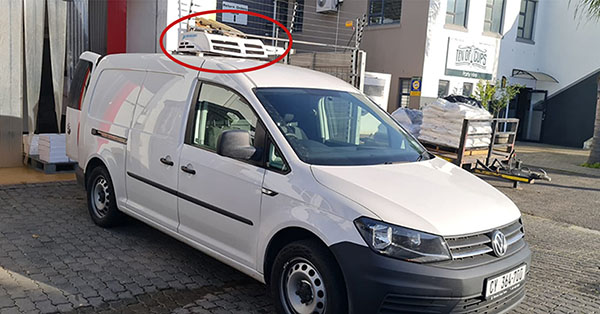
For years, Michael Carter’s morning routine began with a simple but stressful question: Will the cargo arrive fresh today?
Running a small food delivery business in a rapidly growing urban market, Michael depended on several cargo vans to transport fresh vegetables, dairy products, and frozen goods to local supermarkets and restaurants. However, as demand increased, his biggest challenge was not finding customers — it was maintaining product quality during transportation.
“Every delayed delivery meant a possible loss,” Michael recalled. “Sometimes the temperature inside the van changed too much during long trips, and we had to deal with damaged goods and unhappy clients.”
That situation started to change when Michael decided to invest in modern van refrigeration equipment. The upgrade marked a turning point for his company, transforming his delivery operation from a risky business into a reliable cold chain service.
The growing demand for fresh and frozen products has made temperature-controlled transportation increasingly important. Unlike traditional cargo vans, refrigerated vans equipped with professional cooling systems can maintain stable temperatures throughout the delivery process, helping businesses protect product quality and reduce waste.
Modern van refrigeration equipment is designed for different types of commercial vehicles, including small vans, medium-sized vans, and electric vehicles. These systems provide flexible solutions for chilled and frozen transportation, supporting industries such as food distribution, medicine delivery, and grocery logistics.
For Michael, the biggest improvement came from temperature stability. Before the upgrade, opening the van door frequently during deliveries could quickly affect the internal environment. After installing a dedicated refrigeration system, the cargo area could recover its cooling performance faster, allowing drivers to complete multiple delivery stops with greater confidence.
“The difference was obvious within the first month,” he said. “Customers started noticing that our products arrived in better condition. We were able to accept larger orders because we finally had the equipment to support growth.”
Behind this change is a wider transformation happening across the logistics industry. Traditional transportation models are being replaced by smarter cold chain solutions that focus on efficiency, reliability, and sustainability. Electric refrigeration systems, in particular, are gaining attention because they can reduce fuel consumption and provide cleaner cooling solutions for modern fleets.
Manufacturers in the transport temperature control sector are also developing more advanced refrigeration technologies. Companies such as Corunclima have introduced fully electric refrigeration units for vans and trucks, offering options for different cargo capacities and temperature requirements. These systems are designed to help operators achieve more precise temperature management while lowering operating costs.
For small businesses like Michael’s, the change was not only about buying new equipment. It represented a shift in business strategy.
“Before, we were just trying to finish every delivery without problems,” Michael explained. “Now we are planning expansion. Reliable refrigeration gave us the confidence to compete with larger companies.”
Industry observers believe that the future of last-mile delivery will depend increasingly on efficient temperature-control technology. As consumers expect fresher products and faster delivery, refrigerated vans will become an essential part of modern logistics networks.
A year after upgrading his fleet, Michael’s company has added new customers and expanded its service area. The same vans that once represented uncertainty have become symbols of growth.
For him, the lesson is simple: sometimes a business does not need a completely new direction — it needs the right technology to unlock its next stage.
And for thousands of small logistics operators around the world, advanced van refrigeration equipment may be the key to making that transformation happen.