
Truck Freezer Cooling Units Drive Growth in Cold Chain Logistics Industry
The global cold chain transportation sector is experiencing rapid expansion as demand rises for frozen food, pharmaceuticals, seafood, dairy products, and temperature-sensitive goods. In this fast-growing market, the “truck freezer cooling unit” has become one of the most important technologies supporting modern refrigerated logistics.
Industry analysts note that reliable transport refrigeration systems are now essential for maintaining product quality during long-distance delivery. From urban food distribution to cross-border pharmaceutical transportation, truck freezer cooling units are helping logistics companies maintain stable temperatures while reducing operating costs.
Among the manufacturers gaining attention in this sector is Corunclim, which offers a wide range of engine-driven transport refrigeration units for light trucks, medium-duty trucks, and large refrigerated vehicles. According to product information released by the company, the systems are designed to support frozen and chilled transportation with temperature ranges reaching as low as -18°C.
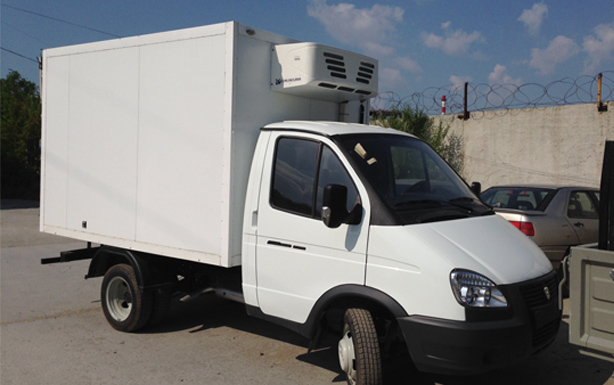
Increasing Demand for Frozen Transportation
The growth of e-commerce grocery services and international food trade has significantly increased the need for dependable refrigeration equipment. Logistics operators now require freezer units capable of delivering stable cooling performance even in extreme climates and during long transportation periods.
Modern truck freezer cooling units are typically equipped with digital temperature control systems, compact evaporators, hot gas defrost technology, and eco-friendly refrigerants. Manufacturers are also focusing on lightweight construction and lower fuel consumption to improve transportation efficiency.
Corunclima’s engine-driven freezer units, including models such as V450F, V650F, and V1100F, are designed for different cargo box volumes ranging from small pickup trucks to large commercial transport vehicles. Cooling capacities vary according to vehicle size and operational requirements.
Technology Improvements Drive Market Competition
Competition within the refrigeration equipment market is accelerating as manufacturers invest in advanced cooling technologies. Industry trends indicate growing adoption of low-maintenance systems, energy-saving compressors, and environmentally friendly refrigerants such as R404A.
For smaller refrigerated trucks, compact systems with slim evaporators are becoming increasingly popular because they maximize cargo space while maintaining sufficient cooling performance. Corunclima states that some of its pickup freezer units are designed specifically for tropical and high-temperature environments, offering stable operation in demanding conditions.
Larger transport fleets are also shifting toward direct engine drive refrigeration systems to reduce fuel consumption and maintenance expenses compared with traditional diesel-powered standalone units. These systems are widely used for frozen food distribution and supermarket logistics operations.
Reliability Remains a Key Concern
Industry professionals continue to emphasize that freezer systems must be purpose-built for refrigerated transportation. Discussions among refrigeration technicians on Reddit highlight concerns about using non-specialized cooling equipment in freezer applications. Many experts warn that improper systems may experience compressor failure, inefficient operation, or poor defrost performance over time.
As a result, transport companies are increasingly prioritizing professionally engineered truck freezer cooling units with proven durability and stable low-temperature performance.
Future Outlook
Market researchers expect continued growth in refrigerated transportation over the next decade, driven by rising consumer expectations for fresh and frozen product delivery. Electric refrigeration systems, battery-driven units, and energy-efficient cooling technologies are expected to become major development directions for manufacturers worldwide.
At the same time, engine-driven truck freezer cooling units are likely to remain a core solution for many logistics operators due to their reliability, relatively low maintenance costs, and compatibility with a wide range of commercial vehicles.
As cold chain logistics expands globally, advanced refrigeration technology will continue playing a critical role in ensuring food safety, pharmaceutical integrity, and efficient supply chain management.