
Truck Electric Air Conditioning: From "Comfort Option" to "Green Standard"
As the global commercial vehicle industry accelerates its transformation towards new energy and intelligent technologies, air conditioning technology, a key auxiliary system for vehicles, is undergoing a profound transformation. Traditional compressors, once reliant on engine power, are being replaced by independent, high-efficiency electric air conditioning systems. This change not only affects driver comfort but also becomes a crucial link in promoting the green and low-carbon transformation of logistics transportation.
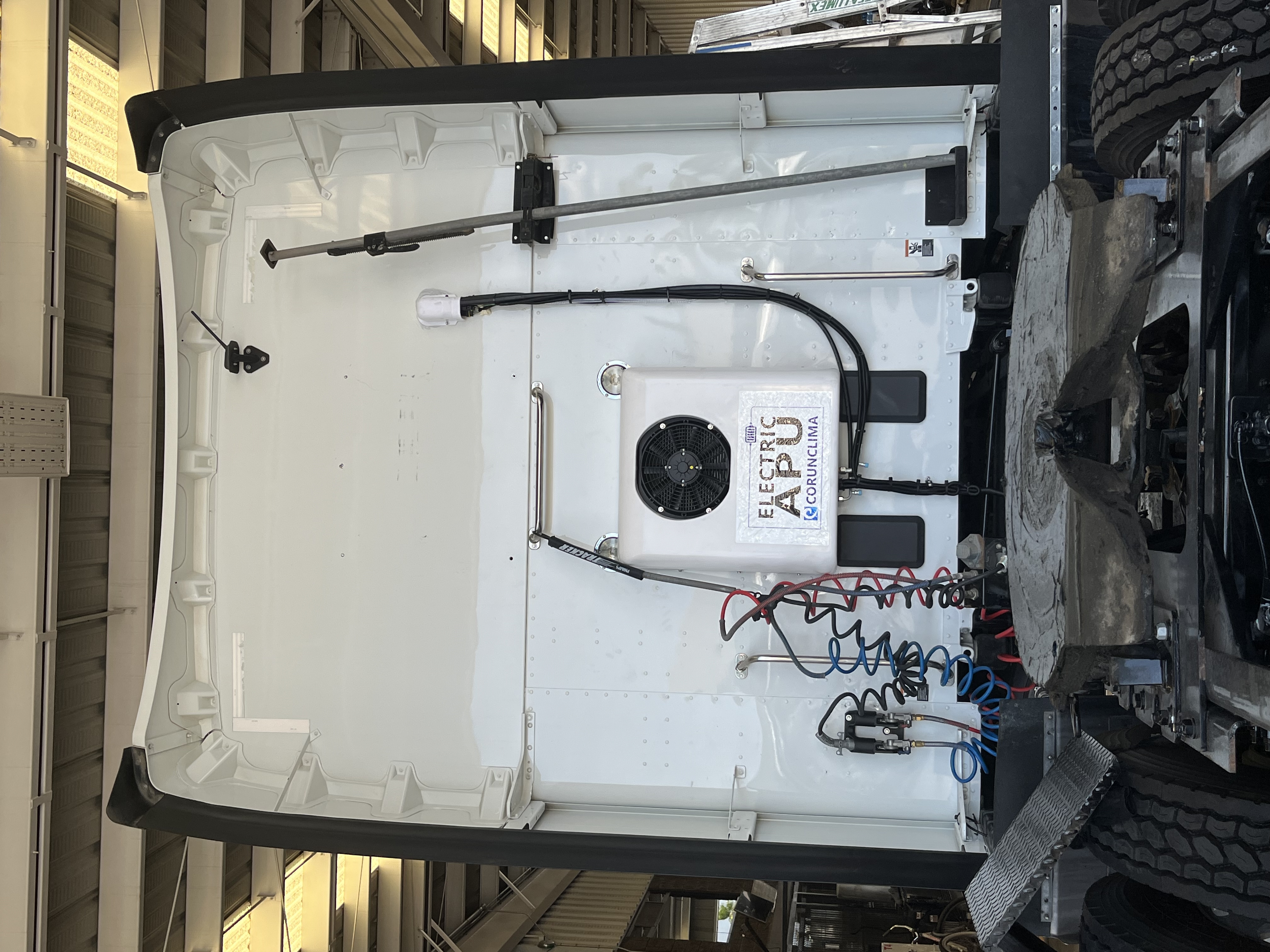
Parking Air Conditioning: Saying Goodbye to the Pain Point of "Idling Fuel Consumption"
For long-haul truck drivers, using air conditioning during rest stops has always been a real challenge. In the past, to obtain cooling or heating during rest periods, drivers had to keep the engine idling continuously. This not only led to unnecessary fuel consumption and increased operating costs but also generated additional exhaust emissions and noise pollution, and even faced regulatory restrictions on idling in some regions.
The widespread adoption of electric air conditioning technology is fundamentally solving this pain point. By equipping themselves with large-capacity battery packs or integrating with the vehicle's power battery system, independently driven electric compressors can operate normally for several hours with the engine off. This means drivers can enjoy a quiet and comfortable resting environment at service areas or during overnight stops, while achieving zero fuel consumption and zero emissions. For logistics companies, this not only reduces fuel costs but also helps improve driver job satisfaction and retention rates.
Technological Evolution: The Energy Efficiency Leap from Low to High Voltage
Technically, truck electric air conditioning is undergoing a transformation from traditional 24V low-voltage systems to high-voltage platform integration. With the increasing popularity of pure electric commercial vehicles and hybrid models, more and more electric air conditioning systems are directly connected to the vehicle's 600V or even 800V high-voltage electrical architecture. This high-voltage direct-drive solution significantly reduces losses during power transmission, resulting in a significant improvement in overall system energy efficiency.
Meanwhile, the introduction of heat pump technology is changing the energy consumption pattern of traditional pure electric heating. In low-temperature winter environments, heat pump air conditioning can absorb heat from the ambient air for cabin heating, with an energy efficiency ratio far exceeding that of traditional electric heaters. This is a strategically significant technological breakthrough for pure electric trucks, whose range is already sensitive, effectively mitigating the range reduction effect of winter heating.
Furthermore, the application of intelligent control algorithms enables electric air conditioning systems to provide energy on demand. By sensing the temperature inside and outside the vehicle, light intensity, and the activity status of passengers, the system can automatically adjust the operating conditions of the compressor and fan, maximizing energy savings while ensuring comfort.
Policy-Driven: An Inevitable Requirement for Green Freight
Against the backdrop of global climate change response, carbon emission controls in the transportation industry are becoming increasingly stringent. Many countries and regions have introduced regulations on idling restrictions for commercial vehicles and provided policy support for zero-emission freight. At the same time, environmental standards in the cold chain transportation sector are constantly being upgraded, placing higher demands on the energy efficiency and refrigerant types of refrigeration equipment.
In this environment, electric air conditioning and electric refrigeration units are no longer optional equipment for vehicles, but essential equipment to meet compliance requirements. Especially for urban delivery vehicles, low-noise, zero-emission electric air conditioning systems allow them to operate in urban areas at night or in the early morning, without time or geographical restrictions, significantly improving operational flexibility.
Market Landscape: Collaborative Innovation Across the Supply Chain
With the release of demand, the commercial vehicle electric air conditioning sector is attracting more and more participants. Traditional automotive air conditioning suppliers are accelerating product iteration, launching a series of products adapted to new energy platforms. Meanwhile, some OEMs are also strengthening their independent R&D in thermal management systems, striving to achieve optimal matching of vehicle energy consumption.
Upstream in the industry chain, innovations in high-efficiency electric compressors, intelligent electronic expansion valves, and high-performance insulation materials are emerging one after another. These technological breakthroughs in core components are providing more possibilities for downstream system integration and supporting the goals of lightweighting and extending the driving range of vehicles.
Looking Ahead: From Functional Components to Intelligent Cockpits
Looking to the future, truck electric air conditioning will no longer be just a temperature control device. With the evolution of intelligent cockpits in commercial vehicles, the air conditioning system will be deeply integrated with functions such as window defrosting, seat heating, and steering wheel heating, becoming an integral part of the intelligent thermal management system. Through cloud-based pre-adjustment and remote control, drivers can adjust the cabin to a comfortable temperature before departure, achieving "enjoyment upon boarding."
It is foreseeable that, driven by both "dual carbon" goals and technological progress, truck electric air conditioning is moving from behind the scenes to the forefront, becoming a key link in the green transformation of commercial vehicles and the improvement of the driving experience. This "revolution of comfort and comfort" triggered by technological innovation is quietly changing the daily work of millions of freight drivers and injecting new momentum into the sustainable development of the entire logistics industry.