
The Silent Revolution of Electric Cold Chains: All-Electric Truck Refrigeration Units Reshape Logistics Dimensions
Technological Core: Electric Drive Reshapes Cold Chain Logic
Traditional cold chain transportation has long relied on diesel power systems, which not only generate continuous noise and emissions but also suffer from significant energy conversion losses. The emergence of all-electric refrigeration units marks a paradigm shift in core cold chain transportation technology.
These systems utilize an integrated electric drive solution, achieving precise power output control through variable frequency compressor technology. Unlike the constant speed mode of traditional systems, electric systems can dynamically adjust output power according to actual cooling needs, avoiding inefficient energy dissipation.
Some advanced units have introduced heat pump operating modes, allowing them to select the optimal operating state under different environmental conditions. This feature is particularly crucial in long-distance transportation with significant temperature differences, ensuring absolute stability of the cargo compartment temperature while keeping overall energy consumption within an ideal range.
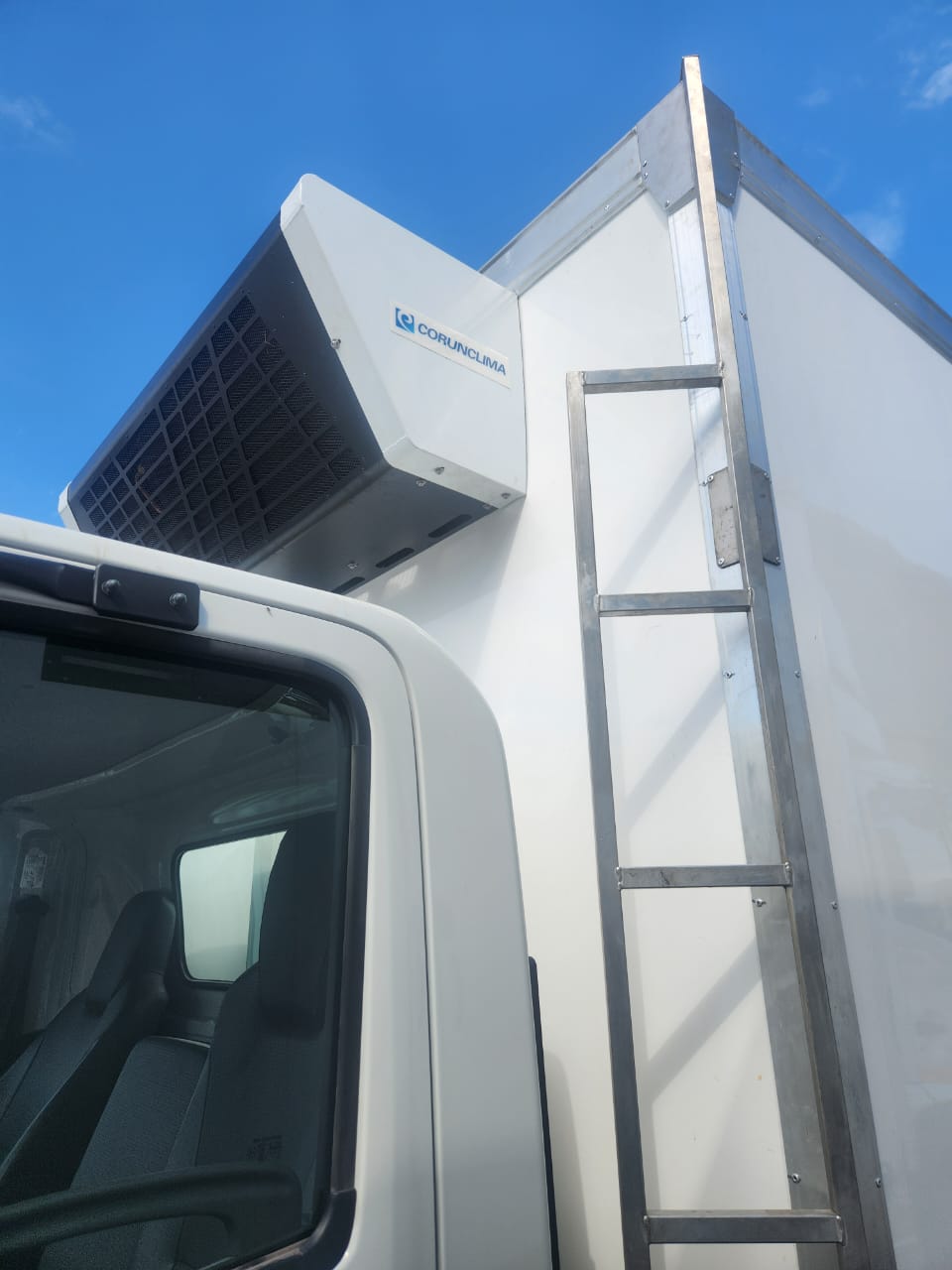
Environmental Revolution: The Era's Choice for Clean Cold Chains
Environmentally friendly logistics solutions are becoming a core demand of global supply chains. All-electric refrigeration units, with their zero exhaust emissions and low-noise operation, perfectly address this demand.
Electric drive fundamentally eliminates the common hydrocarbon leakage problems of traditional refrigeration units, which is especially important for transporting high-value food and pharmaceuticals. At the same time, due to the absence of high-frequency vibrations from internal combustion engines, the mechanical impact on goods during transportation is significantly reduced, which is particularly beneficial for the long-distance transportation of precision instruments and high-quality agricultural products.
In urban delivery scenarios, the near-silent operation of electric units breaks the traditional image of cold chain vehicles as "noise pollution sources," allowing fresh food delivery to be more flexibly integrated into urban operating systems at different times, expanding the spatial and temporal boundaries of cold chain services.
Precise Temperature Control: The Technological Cornerstone of Quality Assurance
The essence of cold chain logistics is the transmission of temperature value. The breakthrough in temperature control accuracy of all-electric refrigeration units is redefining the standards of quality transportation.
With a fully electronic temperature control system, the refrigeration unit can achieve digital management of the entire process from cargo compartment pre-cooling to constant temperature maintenance. Intelligent algorithms analyze multiple variables such as internal and external temperature differences, cargo heat capacity, and transportation time in real time, dynamically generating the optimal cooling curve, significantly improving temperature stability under complex conditions. Some cutting-edge designs have introduced the concept of zoned temperature control, creating different temperature microenvironments within the same cargo compartment. This capability is revolutionary for multi-temperature co-distribution scenarios, allowing a single shipment to simultaneously meet the differentiated needs of frozen, refrigerated, and constant-temperature goods, significantly improving the resource utilization efficiency of cold chain logistics.
Operational Innovation: Reshaping Full Lifecycle Costs
From a full lifecycle perspective, all-electric refrigeration units are reshaping the cost structure of cold chain transportation. Although the initial investment is higher than traditional systems, their long-term economic benefits are gradually changing the industry's investment logic.
Electric systems significantly simplify the mechanical structure, with a substantial reduction in the number of moving parts. This fundamentally improves the reliability and durability of the units. Fewer maintenance requirements and longer maintenance cycles directly reduce the frequency of operational interruptions. For time-sensitive cold chain services, this stability itself has extremely high commercial value.
At the same time, the deep integration of electric systems with digital management platforms enables remote diagnostics and predictive maintenance. Maintenance teams can monitor the unit's operating status in real time, predict potential failures in advance, and transform traditional reactive maintenance into proactive intervention, greatly improving the reliability of cold chain transportation.
Intelligent Integration: A New Carrier for Digital Cold Chains
All-electric refrigeration units are not only a transformation of the power system but also a key entry point into the digitalization of the cold chain. When the mechanical system is fully electrified, the refrigeration unit naturally becomes an intelligent node in the vehicle's digital network.
By continuously collecting diverse data such as temperature changes, energy consumption patterns, and unit status, these intelligent refrigeration systems can autonomously optimize operating strategies and achieve deep data exchange with fleet management systems and warehousing and logistics platforms. This interconnected capability elevates cold chain visibility from mere tracking to a predictable and controllable intelligent supply chain component.
Some leading systems have begun to dynamically link cargo information with temperature control strategies, customizing exclusive transportation climate solutions based on the biological or chemical characteristics of different goods. This evolution from "standardized cold chain" to "personalized cold chain" is opening up new market opportunities for high-value goods transportation.
Future Prospects: A Cold Chain Revolution Integrated into a Larger Ecosystem
The development trajectory of all-electric refrigeration units is not isolated but evolves in synergy with new energy commercial vehicles, intelligent transportation systems, and green energy networks. With continuous breakthroughs in electric truck range and the ongoing improvement of charging infrastructure, the application scenarios for electric refrigeration systems are expanding from urban delivery to regional trunk lines.
The next-generation technology roadmap shows a trend towards deep integration with on-board energy storage systems. Through intelligent energy management algorithms, the refrigeration system can collaborate with the vehicle's power system to optimize power distribution, and even achieve "net-zero energy consumption" operation for cold chain transportation in specific scenarios.
With the application of diverse clean power sources such as hydrogen fuel cells in commercial vehicles, modular refrigeration units adaptable to different power architectures will become a new research and development direction. This flexible design will allow the same refrigeration platform to be adapted to different types of transport vehicles, greatly accelerating the popularization of clean cold chain technology.
As the first rays of sunlight illuminate the city in the early morning, electric cold chain trucks have quietly completed their delivery tasks and returned to the logistics center. There is no roar of diesel engines, no exhaust emissions, only the precise temperature control system in the cargo compartment tirelessly maintaining the perfect climate for each shipment. This silent revolution is redefining every aspect of cold chain logistics – from the technological core to the business logic, from urban delivery to global supply chains.