
The Silent Revolution: How Electric Refrigeration Units Are Reshaping Urban Logistics Ecosystems
Before the first rays of dawn pierce the city skyline, a new "urban symphony" is quietly unfolding. It's not the familiar roar of internal combustion engines, but the soft hum of electric refrigeration systems in vans – an almost silent background sound that announces a profound, silent revolution in urban cold chain logistics.
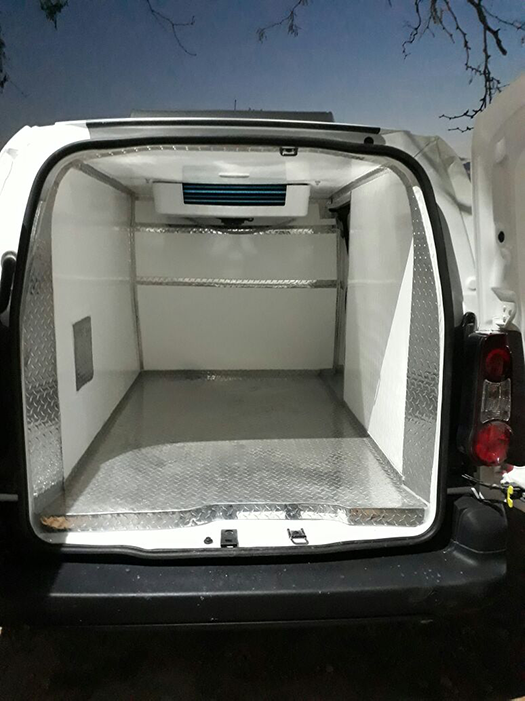
A Shift in Philosophy: From Functional Implementation to System Integration
Traditional refrigeration units were often considered independent attachments to vans, their design philosophy limited to single-function implementation. The new generation of electric refrigeration units, however, represents a completely different design mindset – it's no longer an "add-on" to the vehicle, but an integral part of the vehicle's energy ecosystem.
This transformation is evident in multiple dimensions: in spatial layout, the electric refrigeration unit is deeply integrated with the vehicle chassis structure, reducing redundant mechanical connections; in energy management, it intelligently collaborates with the power battery system, enabling precise energy allocation; and in the control system, it connects to the vehicle's digital network, becoming a data node in the intelligent logistics system. This deep integration not only improves energy efficiency but also redefines the design paradigm of cold chain transport vehicles.
The Silent Evolution of Technology
Step into any modern logistics park, and you'll notice an interesting phenomenon: the operating sound of electric refrigerated trucks is significantly lower than that of traditional vehicles. This silent characteristic is the result of the synergistic evolution of multiple technologies.
The application of DC inverter technology allows the compressor to adjust its speed continuously according to actual needs, avoiding the noise peaks caused by frequent starts and stops of traditional units. The design of the flow channels and material selection of the new heat exchangers improve heat exchange efficiency while reducing air turbulence noise. Intelligent control algorithms predict temperature changes and perform smooth adjustments in advance, avoiding drastic temperature fluctuations and sudden changes in equipment load.
These technological advancements may seem minor, but together they create a gentler logistics environment – deliveries can start earlier and end later without disturbing residents; vehicles can move more freely in noise-sensitive areas such as hospitals, schools, and high-end residential areas.
Redefining the Boundaries of Cold Chain Transportation
The widespread adoption of electric refrigeration units is quietly changing the service boundaries of cold chain logistics. Traditional diesel-powered refrigeration units are limited by noise and emissions, imposing invisible constraints on their operating time and spatial range. Electric systems, with their environmentally friendly characteristics, are breaking these limitations.
Some innovative companies are beginning to experiment with "micro-cold chain" delivery models – using small electric vans for community-level deliveries at night, taking full advantage of underutilized road resources. Medical institutions are increasingly favoring electric refrigerated vehicles for the precise transportation of sensitive medications within and between hospitals, as their silent operation is more suitable for the medical environment. High-end restaurants and fresh food e-commerce companies are drawn to the more precise and stable temperature control capabilities of electric systems, providing delivery services for high-value goods that are extremely sensitive to temperature.
The Quiet Transformation of the Operations and Maintenance Ecosystem
Technological change is never simply about replacing hardware. The rise of electric refrigeration units is driving a transformation of the entire cold chain operations and maintenance ecosystem.
Maintenance technicians need to master a new set of skills – no longer primarily focused on mechanical diagnostics, but requiring a comprehensive understanding of electrical systems, digital control, and thermodynamic principles. The maintenance model is also shifting from periodic maintenance and fault repair to data-driven predictive maintenance. Remote diagnostic systems can monitor the operating status of units in real time, issuing warnings at the first signs of performance degradation and scheduling preventative maintenance.
This shift raises the professional bar for operations and maintenance, while also creating a more stable equipment operating environment. Fleet managers can use data platforms to monitor the real-time status and energy efficiency of each refrigeration unit, enabling more informed operational decisions.
A Sustainable Vision for the Future
Looking ahead, the possibilities presented by electric refrigeration technology extend far beyond the present. With continuous improvements in battery energy density and the increasing sophistication of charging infrastructure, range anxiety for electric cold chain vehicles will gradually diminish. Intelligent temperature control systems will be deeply integrated with the Internet of Things and big data technologies, achieving transparent temperature control management from warehouse to end-user.
More importantly, this technological path aligns perfectly with the overall direction of sustainable urban development. It reduces local noise pollution, lowers carbon emissions, improves energy efficiency, and provides the hardware foundation for the digital transformation of urban logistics.
In the dawn and dusk of the city, these quietly moving electric refrigerated vehicles may not attract much attention, but they are, in the most practical way, driving the logistics industry towards a more intelligent, environmentally friendly, and human-centered future. This silent revolution, without any impassioned declarations, speaks volumes about its promise of a better urban life in every smoothly operating refrigeration cycle.
This is not merely a technological upgrade, but a self-transcendence of urban logistics civilization—learning to coexist harmoniously with the environment while pursuing efficiency; and remembering to show respect and care for others while meeting functional needs. Silent innovation is often the most powerful.