
The Silent Revolution: Electric Truck Air Conditioning Reshapes the Industry Ecosystem
Two worlds, inside and outside the cab.Outside, the quiet of a service area at night; inside, a comfortable temperature controlled independently – more and more truck drivers are enjoying the coolness or warmth without having to start the engine. Behind this change is the reality that electric air conditioning technology is quietly transforming the truck industry ecosystem.
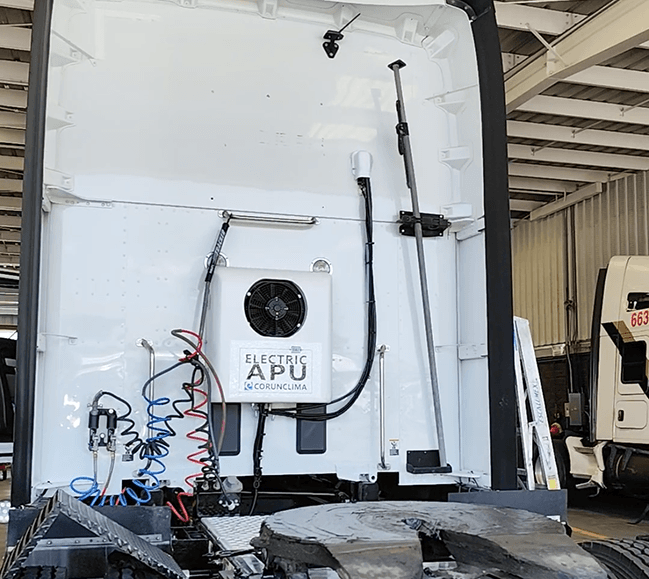
Technological Disruption: Saying Goodbye to Engine Dependence
Traditional truck air conditioning systems rely on the engine running continuously to operate, a design that brings multiple problems: fuel consumption, noise pollution, and unnecessary mechanical wear. The emergence of electric air conditioning systems fundamentally changes this operating logic.
This new type of air conditioning system connects directly to the vehicle's electrical system and operates independently even when the engine is completely off. It is powered by a specially designed battery pack and uses a highly efficient electric compressor for cooling or heating cycles. This change in operation not only reduces energy waste but also significantly lowers environmental noise when the vehicle is stationary.
System Composition: From Independent Units to Vehicle Integration
Modern electric air conditioning systems have evolved from simple add-on devices to deeply integrated environmental management systems within the vehicle. They include core components such as high-efficiency electric compressors, intelligent temperature control modules, dedicated battery packs, and energy management units. These components work together, automatically adjusting operating power based on the temperature difference inside and outside the cab, optimizing energy use while ensuring comfort.
With technological advancements, some systems can now exchange data with other vehicle electronic systems, enabling more intelligent energy allocation. This trend towards integration is prompting truck manufacturers to consider the installation location and power requirements of electric air conditioning during the design phase, gradually transforming it from an "aftermarket option" to a "factory standard."
Industry Impact: A Comprehensive Upgrade of the Service Ecosystem
The widespread adoption of electric air conditioning is reshaping the entire service chain surrounding trucks. Installation services have evolved from initial non-standardized operations to professional services with standardized processes and technical specifications. A maintenance system has also been established, forming a repair network covering major logistics routes.
For logistics companies and fleet managers, the significance of this technology extends beyond the equipment itself. It represents an increased focus on the driver's working environment, becoming an important measure to improve working conditions and enhance driving safety. Against the backdrop of increasingly fierce industry competition, these improvements are gradually transforming from "benefits" to "necessary investments."
Environmental Benefits: Micro-Practices of Clean Operation
Compared to traditional systems, electric air conditioning excels in environmental friendliness. Eliminating engine idling directly reduces fossil fuel consumption and exhaust emissions, which is especially important for vehicles that frequently stop in densely populated areas.
When this technology is combined with new energy trucks, its environmental potential is further unleashed. Pure electric trucks equipped with electric air conditioning systems achieve fully electric operation from power to accessories, providing a complete solution for clean road transportation. This combination is becoming the new standard in urban logistics.
Challenges Remain: Obstacles to Widespread Adoption
Despite the obvious advantages, widespread adoption still faces practical challenges. Initial installation costs remain a deterrent for some vehicle owners, especially individual operators. Compatibility with different vehicle models also requires professional technical support, placing higher demands on the service network.
Energy management is another major challenge. Balancing the power demands of air conditioning operation with other on-board equipment within limited battery capacity requires sophisticated energy allocation strategies. Furthermore, performance stability under extreme weather conditions requires continuous technological optimization.
Future Direction: Intelligence and Standardization
The trend of technological development is moving towards greater intelligence and integration. The next generation of systems is expected to have stronger self-learning capabilities, automatically optimizing operating modes based on driver habits and external environment. Data sharing with other vehicle systems will also become more extensive, forming a unified in-vehicle environment management solution.
Standardization is crucial for industry development. Unified interface specifications, installation standards, and performance indicators will reduce production and maintenance costs, improve system reliability, and ultimately accelerate technology adoption. Industry organizations are working to establish such a standard framework.
Conclusion
From fuel-driven to electric-driven, from auxiliary equipment to integrated systems, the evolution of electric air conditioning reflects the overall trajectory of technological progress in the truck industry. This innovation, seemingly focused on improving local comfort, is actually driving a comprehensive transformation of vehicle design concepts, energy usage methods, and industry service models.
As more and more trucks remain quiet during rest periods, this technology is changing not only the temperature inside the cab, but also redefining the entire industry's approach to working environment, energy efficiency, and environmental protection. In this silent revolution, electric air conditioning for trucks is becoming a micro-window into industry transformation, foreshadowing a future of cleaner, more efficient, and more humane road transportation.