
Silent Revolution: Electric Refrigeration Units Lead the Green Transformation of Truck Freight
From Roaring to Silence: A "Power Revolution" in Road Cold Chain Logistics
In logistics parks, a new kind of silence is spreading – no longer the roar of diesel engines, but the almost silent operation of electric refrigeration units. This transformation is not simply an equipment upgrade, but a profound green revolution that is changing the face of road cold chain transportation.
Unlike traditional fuel-driven systems, electric refrigeration units use electricity to power the compressor, achieving zero emissions and significantly reducing noise. When these quiet new units begin operating on the roads, they bring not only environmental benefits but also a completely new operating concept and working environment.
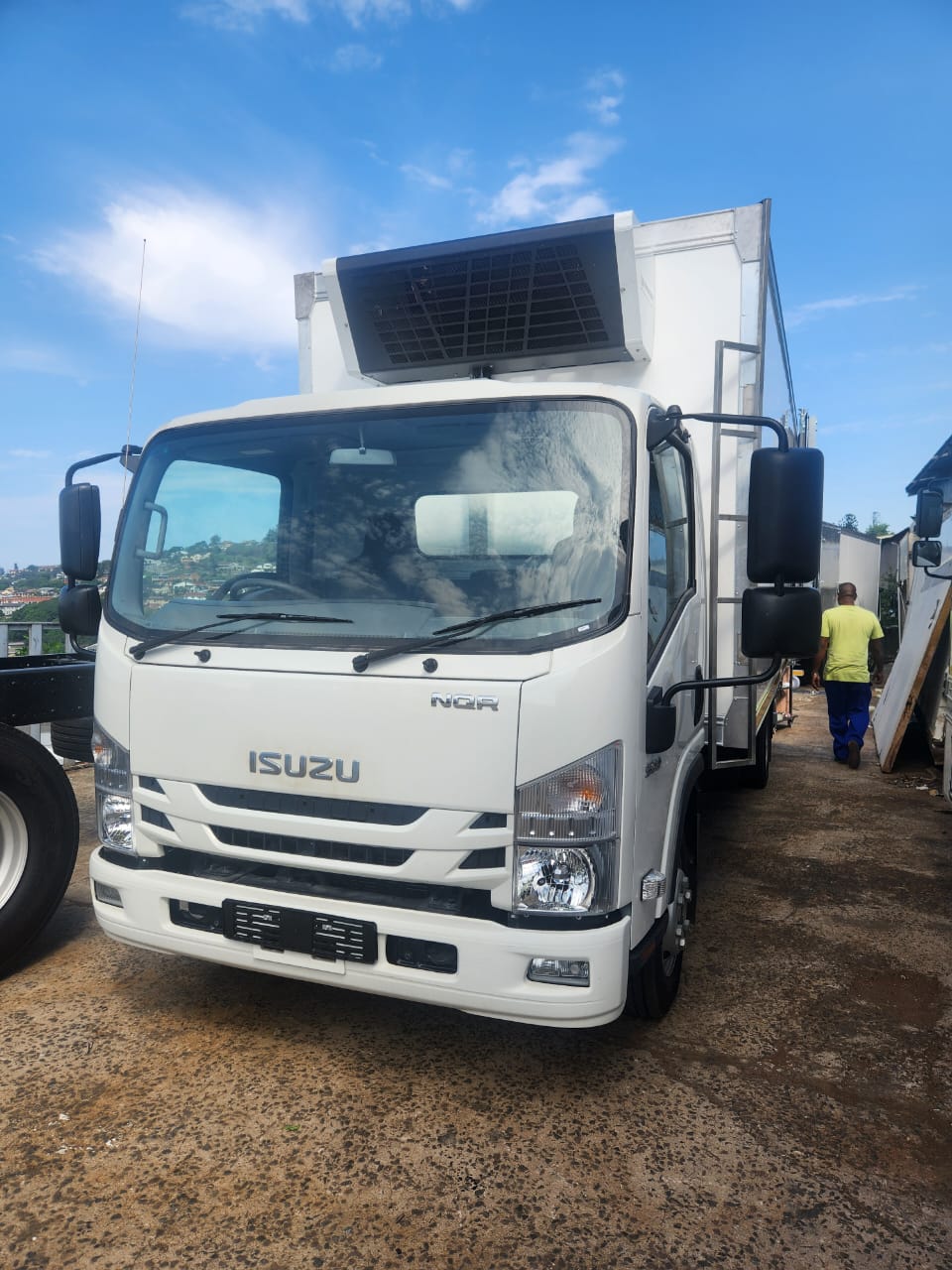
Multiple Factors Drive Development: Clean Technology Seizes Opportunity
This transformation is driven by a combination of factors. Increased environmental awareness has driven demand for clean technologies; the continuous improvement of power supply infrastructure provides the foundation for electrification; and advancements in refrigeration technology itself have brought the efficiency and reliability of electric systems to commercial operating standards. These factors are intertwined, jointly contributing to the widespread adoption of electric refrigeration units.
Reshaping the Cold Chain Ecosystem: Optimization and Upgrading of the Entire Transportation Chain
The widespread adoption of electric refrigeration units is reshaping every aspect of cold chain transportation. From cargo loading to temperature control during transit, and finally to delivery at the destination, the entire process is becoming more precise and efficient due to the introduction of new technologies. Temperature stability is improved, and cargo quality is better protected, bringing a qualitative change to the transportation of temperature-sensitive goods such as food and medicine.
At the same time, the electrification transformation is also driving the upgrading of related infrastructure. Logistics parks are beginning to add charging facilities, transportation route planning is starting to consider power supply points, and maintenance service systems are adapting to the new technological characteristics. This series of chain reactions is building an ecosystem that is more adapted to electrified transportation.
Improved Driving Experience: A More Humane Transformation of the Work Environment
For truck drivers, electric refrigeration units bring significant improvements to their working environment. The continuous noise and vibration are gone, making the cab quieter and more comfortable; reduced exhaust emissions improve air quality during rest stops; and simplified operation and maintenance requirements reduce workload. These changes, though subtle, are genuinely improving the work experience of those in the industry. Industry Trendsetter: The Future Path of Sustainable Logistics
From a broader perspective, this transformation reflects the overarching trend of sustainable development in the transportation industry. As more electric refrigeration units traverse between urban and rural areas, they are not only transporting goods but also conveying an environmentally responsible industry attitude. The spread of this attitude may inspire innovation and transformation in other aspects of the logistics industry.
Challenges still exist, but the motivation to solve these problems is equally strong. With continuous technological advancements and accumulated application experience, electric refrigeration units are becoming more reliable and economical. The industry's ability to accept and adapt to new technologies is also being honed and improved in this process.
Silent Progress: Outlining a New Green Landscape for the Industry
Looking ahead, this silent transformation is likely to deepen. As more trucks are equipped with electric refrigeration units, our roads will become quieter, the air will become cleaner, and the quality and efficiency of cold chain transportation will reach new heights. This transformation, which began with technological replacement, will ultimately evolve into a comprehensive upgrade of industry standards, painting a cleaner, more efficient, and sustainable future picture for the logistics industry.