
Refrigerated Truck Unit for Food Transport Drives Growth in Cold Chain Logistics
As global demand for safe and efficient food logistics continues to rise, the refrigerated truck unit for food transport has become a critical technology supporting modern cold chain operations. From fresh produce and dairy to frozen meat and pharmaceuticals, maintaining a stable low-temperature environment during transport is essential to reduce spoilage and ensure product safety.
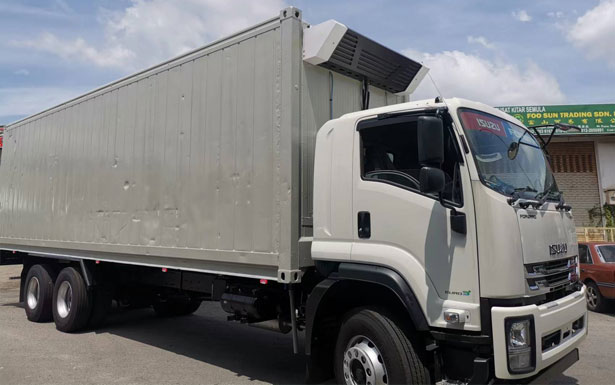
In recent years, engine-driven refrigeration systems have gained strong market traction due to their reliability and high cooling efficiency. According to Corunclima’s transport refrigeration product line, modern engine-driven freezer units are designed to support a wide range of truck container volumes, offering stable performance even in extreme working conditions.
Unlike traditional stationary cold storage, refrigerated truck units are engineered for continuous mobile operation. Engine-driven models such as Corunclima’s V-series systems can maintain deep-freeze temperatures down to around -20°C, making them suitable for long-distance food transport and cross-border logistics. These systems are widely applied in trucks with cargo capacities ranging from small 10–11m³ compartments to larger 30m³+ refrigerated bodies.
One of the key advantages of these refrigerated truck units is their ability to integrate directly with the vehicle’s engine power system. This eliminates the need for separate diesel refrigeration engines in some configurations, reducing fuel consumption and simplifying maintenance. Corunclima highlights that its engine-driven units are designed for low operating cost while maintaining strong cooling output and compact structure.
For food transport operators, temperature stability is the most important performance metric. Whether transporting fresh vegetables in urban distribution or frozen seafood across long-haul routes, refrigeration units must respond quickly to ambient temperature changes while maintaining consistent airflow inside the cargo space. Advanced models such as the V450F and V650F series are engineered for rapid pull-down performance and efficient temperature recovery, even under high ambient conditions.
Another important trend in the industry is the growing focus on sustainability. Modern refrigerated truck units are increasingly designed to reduce emissions and improve energy efficiency. By optimizing compressor performance and system layout, manufacturers aim to lower the environmental footprint of food logistics while maintaining high refrigeration reliability. This is especially important in regions with strict emissions regulations and expanding cold chain infrastructure.
In real-world applications, refrigerated truck units are now widely used in supermarkets distribution, food delivery networks, meat processing transport, and pharmaceutical logistics. Their role has become even more important as global supply chains demand faster delivery times and stricter temperature control standards.
In conclusion, the refrigerated truck unit for food transport is no longer just a supporting device but a core component of modern logistics systems. With continuous innovation in engine-driven and electric refrigeration technologies, companies like Corunclima are helping to shape a more efficient, reliable, and sustainable cold chain transportation industry worldwide.