
Rapid Adoption of DC Electric A/C Technology in Ambulances Ushers in a New Era of Green, Quiet Emergency Care
Driven by the continuous upgrading of emergency medical systems and the rapid development of new energy technologies, ambulance air conditioning systems are undergoing a profound "electrification" transformation. In recent years, new temperature control solutions—exemplified by DC electric air conditioning—have been increasingly adopted in the ambulance sector. Thanks to core advantages such as independent operation, energy efficiency, environmental friendliness, and quiet, comfortable performance, these systems are redefining environmental standards for emergency patient transport.
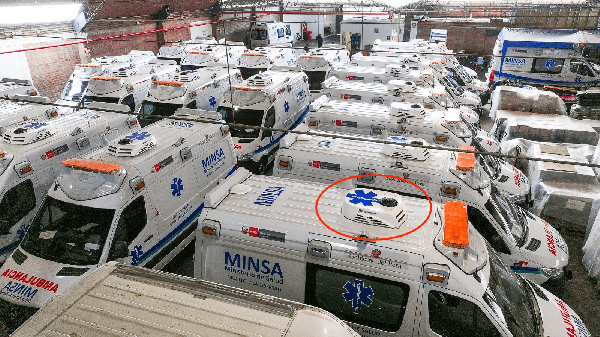
Technological Innovation: From "Engine-Dependent" to "Independent Operation"
Traditional ambulance air conditioning systems typically rely on the vehicle's engine to drive the compressor via a belt. This setup results in significantly reduced cooling performance during idling or frequent stop-and-go driving, alongside high fuel consumption, excessive noise, and heavy emissions. In contrast, the new generation of all-electric DC air conditioning systems completely breaks this mold; they operate independently of the vehicle engine, powered directly by the onboard auxiliary battery or the high-voltage traction battery. This ensures that the medical compartment receives consistent, stable cooling or heating, regardless of whether the ambulance is driving, idling, parked, or frequently stopping and starting.
Technically, these DC electric systems utilize advanced electric scroll compressor technology driven directly by DC power. Key features include minimal vibration and noise, compact size, light weight, and high volumetric efficiency. This technology delivers high cooling or heating capacity with low power consumption and automatically adjusts output based on cabin temperature fluctuations. By eliminating the frequent cycling (start-stop) associated with traditional fixed-frequency units, the system saves energy and extends equipment lifespan. Currently, numerous international thermal management companies offer specialized A/C systems for electric ambulances. These products typically feature roof-mounted or under-chassis designs that preserve valuable space within the medical compartment. They also offer excellent water and dust resistance as well as shock tolerance, fully meeting the demands of high-intensity, all-weather emergency vehicle operations.
Dual-Zone Independent Temperature Control: Catering to Both Patients and Medical Staff
The unique operational context of ambulances creates distinct requirements for temperature control systems: the medical compartment requires a stable, constant temperature to maintain the vital signs of critically ill patients, while the driver's cabin needs to provide a comfortable working environment for emergency personnel. DC electric air conditioning systems generally support independent dual-zone temperature control, allowing the driver's cabin and the medical compartment to be set to different, comfortable temperatures without mutual interference. Furthermore, the quiet air conditioning systems in all-electric ambulances can operate continuously for extended periods while the vehicle is stationary—free from exhaust emissions or vibration—keeping background noise in the medical compartment at a minimal level. This creates a peaceful, quiet environment conducive to patient rest and clear communication between medical staff and patients. Such features are particularly vital for long-distance transfers, nighttime emergency responses, and the care of sensitive patients (such as infants and the elderly), as they effectively reduce stress reactions caused by environmental noise.
Multiple Advantages: From Energy Savings to Green, Low-Carbon OperationsThe adoption of DC electric air conditioning not only enhances the quality of emergency medical services but also delivers significant economic and environmental benefits. First, the system runs entirely on battery power, eliminating fuel consumption associated with engine idling and drastically cutting ambulance fleet operating costs. Second, because the air conditioning operates while the vehicle is parked without needing to start the engine, exhaust emissions from idling are completely avoided, contributing to improved urban air quality and the achievement of carbon neutrality goals. Additionally, the system features built-in automatic battery protection to prevent over-discharge, ensuring the vehicle always retains sufficient power reserves for emergency deployments. From a long-term perspective, the DC electric system boasts a simpler structure and easier maintenance; it reduces the frequency of replacing wear-prone components—such as traditional drive belts and compressor clutches—thereby further lowering the total cost of ownership over the vehicle's lifecycle.
Market Outlook: An Essential Feature in the Era of ElectrificationThe market for electric ambulances is currently experiencing rapid growth, with an increasing number of emergency medical centers explicitly requiring dual independent air conditioning systems—for both the driver's cabin and the medical compartment—when procuring vehicles. Many cities have incorporated ambulances into their new energy vehicle promotion plans, and DC electric air conditioning is gradually becoming a standard feature on next-generation ambulances. From core technology R&D to vehicle integration and manufacturing, the domestic supply chain has established comprehensive capabilities in this field; products not only meet local demand but are also actively expanding into overseas markets.
Industry experts note that the maturation and large-scale application of DC electric air conditioning technology will powerfully drive the ambulance industry toward greater efficiency, quieter operation, and greener practices. In the future, as battery energy density increases and thermal management technologies continue to be optimized, DC-powered electric air conditioning systems will achieve even more precise control over temperature, humidity, and air quality, ensuring reliable and comfortable climate control for every life-critical transport mission. It is foreseeable that this technology will play a vital role across a wider range of mobile medical platforms—such as negative-pressure ambulances and mobile ICUs—serving as a key component in the upgrading of modern emergency medical equipment.