
Rapid Adoption of All-Electric Truck Refrigeration Units Ushers in Zero-Emission Era for Cold Chain Logistics
Amidst the global push for deep decarbonization in the transportation sector, all-electric truck refrigeration units are transitioning from concept to large-scale application, serving as a pivotal breakthrough for the green transformation of cold chain logistics. Unlike traditional mechanical refrigeration systems driven by diesel engines, all-electric units rely entirely on onboard traction batteries or independent battery packs, achieving zero fuel consumption and zero tailpipe emissions during operation. The maturation of this technology signifies the gradual elimination of the long-standing "blind spot" of fuel-based refrigeration in cold chain transport.
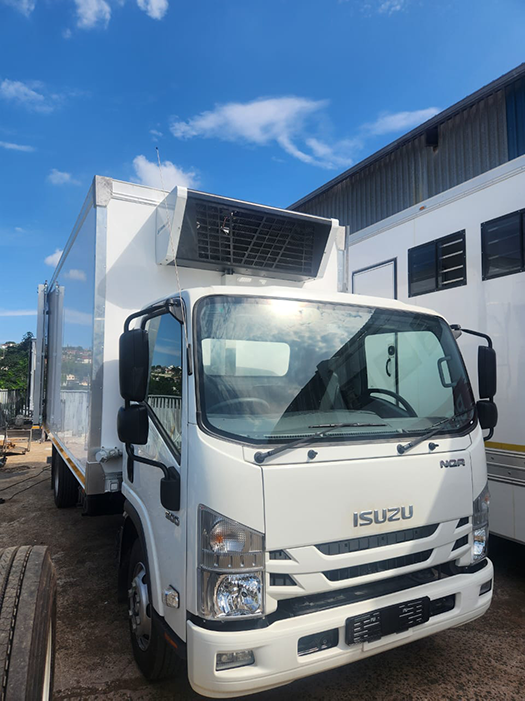
From Roaring Engines to Silent Operation: A Fundamental Shift in Refrigeration Technology
For a long time, while the main drive systems of refrigerated trucks used in urban distribution and long-haul transport were gradually becoming electrified, the refrigeration units themselves continued to rely on small diesel engines. These engines were not only energy-intensive and noisy but also generated pollutants during operation that rivaled the vehicle's own exhaust emissions. The advent of all-electric refrigeration units has completely transformed this landscape. By eliminating the independent diesel engine in favor of high-efficiency electric compressors, variable-frequency fans, and intelligent temperature control systems, these units maintain stable cooling performance even when the vehicle is stationary, idling, or loading and unloading—all while generating virtually no additional noise. This significantly improves compliance for nighttime urban deliveries and operations in residential areas, while also markedly enhancing the working environment for drivers.
Two Parallel Technological Paths: Integrated vs. Self-Powered Units
Technologically, mainstream all-electric refrigeration units fall into two categories. The first type is deeply integrated with the electric truck's powertrain; it draws power directly from the high-voltage traction battery and optimizes overall energy distribution via the vehicle's energy management system. The second type consists of self-powered units designed for trailers or independent cargo containers; these can recharge via regenerative braking or external power sources while in transit and can even operate independently of the tractor unit for several hours, greatly enhancing cold chain flexibility. Each approach suits specific scenarios: the integrated type is ideal for light refrigerated trucks operating on fixed routes (such as urban distribution), whereas the self-powered type offers unique advantages for long-haul transport, drop-and-hook operations, and multi-stop delivery routes. The parallel development of two technical pathways has collectively enriched the application ecosystem for all-electric refrigeration units.
Environmental Sustainability, Cost Efficiency, and Smart Upgrades: The Dual Drivers of All-Electric Refrigeration
The core value of all-electric refrigeration units lies in two key dimensions: environmental benefits and economic efficiency. Environmentally, the complete elimination of diesel consumption and exhaust emissions helps logistics companies comply with increasingly stringent low-emission zone regulations and carbon footprint accounting requirements. Economically, the electric drive system features a simpler architecture—eliminating the need for engine oil and filter replacements—which drastically reduces maintenance requirements and results in significantly lower long-term operating costs compared to traditional diesel units. Furthermore, the electronic control system’s inherent digital interfaces allow for seamless integration with vehicle networking platforms, enabling features such as remote temperature control, energy consumption monitoring, fault alerts, and route optimization. Cold chain cargo owners and logistics managers can monitor real-time temperature fluctuations within the cargo hold, ensuring the integrity of the cold chain for high-value goods throughout the entire transport process. The convergence of electrification and digitalization is transforming refrigeration management from a "reactive" approach to one based on "proactive prediction."
Although there is still room for optimization regarding heating efficiency in extreme cold and energy balance during long-range operations, the industry's overall trajectory is clear. Driven by improvements in battery energy density, advancements in thermal management technology, and ongoing policies promoting green urban freight, all-electric refrigeration units are expanding beyond light-duty refrigerated trucks into medium- and heavy-duty tractor and trailer applications. A new era of cold chain logistics—characterized by zero emissions, low noise, and intelligent operation—is becoming a reality.