
New Momentum in Cold Chain Logistics: Electric Refrigeration Units for Box Trucks Usher in a Green, Efficient Era
Driven by the surging demand for fresh food e-commerce, pharmaceutical cold chain logistics, and on-demand delivery services, urban cold chain distribution is entering a period of rapid growth. Against this backdrop, electric refrigeration units for box trucks are increasingly replacing traditional diesel-powered systems. Thanks to advantages such as zero emissions, low noise, and high efficiency, they have become a focal point of the industry, injecting fresh, green momentum into "last-mile" cold chain logistics.
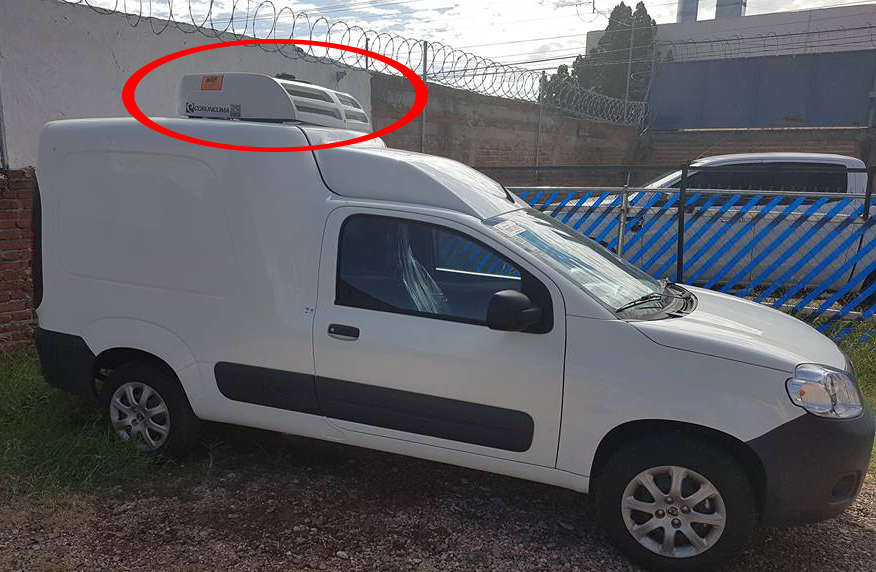
Traditionally, refrigerated box trucks have relied on independent diesel engines to power their refrigeration units. While these units offer powerful cooling capabilities, they generate exhaust emissions and significant noise during operation. Consequently, they face mounting traffic restrictions and environmental regulatory pressures—particularly in city centers, during night-time deliveries, and on streets with strict environmental standards. Furthermore, diesel units feature complex structures and high maintenance costs; fuel consumption during idling is also substantial, effectively increasing the operational burden on cold chain logistics companies.
The advent of electric refrigeration units offers a solution to these pain points. Powered directly by the vehicle's traction battery or an independent battery pack, these units utilize an electric compressor to drive the cooling cycle, eliminating the need for diesel fuel entirely. They produce no exhaust emissions during operation, achieving true zero-emission performance. Additionally, the electric motor operates much more quietly than a diesel engine; this allows for deliveries and unloading in residential areas during early mornings or late nights without disturbing the neighborhood, thereby significantly expanding the operational window and service range of cold chain vehicles.
Electric refrigeration units also excel in terms of energy efficiency. Their electric drive systems offer high energy conversion efficiency and can automatically adjust compressor speeds based on the temperature inside the cargo box relative to the set point. This enables on-demand cooling, preventing the energy waste often caused by the frequent start-stop cycles or constant-speed operation of traditional units. Deep integration with the vehicle's electronic control system allows drivers to monitor temperature, battery levels, and unit status in real-time from the cab. This intelligent management ensures cargo safety while extending the equipment's service life.
In urban distribution scenarios, the combination of a pure electric box truck and an electric refrigeration unit creates a perfect "dual zero-emission" solution. Many cities have implemented time- and zone-based traffic restrictions on traditional fuel-powered trucks, whereas new-energy refrigerated trucks enjoy greater access privileges thanks to their "green license plates" and clean energy advantages. Electric refrigeration units not only eliminate fuel consumption but also maintain low temperatures in the cargo hold while the vehicle is charging, further enhancing delivery efficiency and reliability. For existing fuel-powered box trucks, retrofitting with electric refrigeration units offers a cost-effective upgrade path; this allows operators to significantly reduce carbon emissions and comply with increasingly stringent urban environmental regulations without replacing the entire vehicle.
At the policy level, various regions have introduced measures to support the green development of the cold chain, granting priority road access, operational subsidies, or charging incentives to refrigerated delivery vehicles equipped with electric cooling systems. Coupled with falling power battery costs and expanding charging infrastructure, the total cost of ownership for electric refrigeration units is approaching—or even surpassing—that of traditional diesel units, driving rapid market adoption.
Industry experts note that as the "dual carbon" goals (peaking carbon emissions and achieving carbon neutrality) are pursued with greater intensity, the transition of cold chain logistics toward green and intelligent operations has become inevitable. As a key technological component, electric refrigeration units for box trucks will play an increasingly vital role in scenarios such as urban delivery, fresh-food "front-warehouse" operations, direct pharmaceutical distribution, and the transport of fast-food ingredients. It is evident that, starting with the adoption of quiet, clean electric refrigeration units, the vision of "green transport" in the cold chain industry is rapidly becoming a reality.