
Fully Electric Van Freezer Units Accelerate the Future of Urban Cold Chain Logistics
Traditionally, transport refrigeration units depended on engine-driven compressors or standalone diesel generators. While effective, these systems produce emissions, noise, and higher operating costs. With the rapid growth of electric commercial vehicles such as electric cargo vans, logistics companies are increasingly adopting battery-powered refrigeration solutions that operate entirely on electric power.
Fully electric van freezer units typically use high-efficiency DC compressors powered by vehicle batteries or auxiliary lithium battery packs. This technology allows refrigeration systems to operate independently from the vehicle engine, ensuring consistent cooling performance regardless of vehicle speed or driving conditions. Many systems can maintain temperatures as low as -18°C, making them suitable for transporting frozen food, seafood, dairy products, pharmaceuticals, and other temperature-sensitive cargo.
One of the key advantages of electric refrigeration technology is zero direct emissions. Since the system runs entirely on electricity rather than diesel fuel, it helps logistics fleets comply with increasingly strict environmental regulations in urban areas. Many cities worldwide are introducing low-emission zones and clean-air regulations, encouraging operators to transition to electric vehicles and electric refrigeration equipment.
Another benefit is significantly reduced operating costs. Without diesel fuel consumption, fleets can save on fuel expenses while also lowering maintenance requirements. Electric compressors generally have fewer moving parts compared with traditional engine-driven systems, which contributes to longer service life and improved reliability.
Noise reduction is also a major advantage. Fully electric van freezer units operate much more quietly than diesel refrigeration systems, enabling nighttime delivery operations in residential areas without causing noise disturbances. This capability is particularly valuable for urban last-mile delivery services such as grocery distribution, food service supply chains, and pharmaceutical logistics.
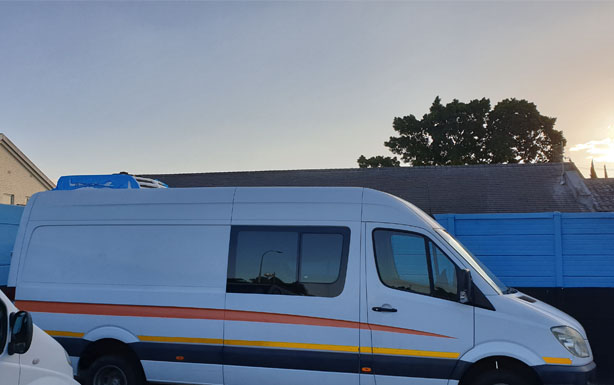
Modern electric refrigeration units are also designed with compact and lightweight structures, maximizing cargo capacity while maintaining strong cooling performance. Many units feature slim evaporators and rooftop condenser designs that preserve valuable cargo space inside the van while ensuring efficient airflow and temperature stability.
In addition, smart temperature control systems allow operators to precisely monitor and adjust cargo temperatures. Digital controllers and advanced sensors ensure stable conditions even during frequent door openings or heavy delivery schedules.
As electric vehicle adoption continues to grow, the demand for fully electric refrigeration technology is expected to increase rapidly. Industry experts predict strong expansion in electric cold chain logistics, particularly for urban distribution and last-mile delivery services. With improved battery efficiency and refrigeration technology, fully electric van freezer units are set to become a key component of sustainable transport solutions worldwide.
For logistics operators seeking cleaner, quieter, and more efficient cold transport solutions, fully electric van freezer units represent the next step toward a smarter and greener cold chain future.