
EV Van Air Conditioner: Driving Comfort and Efficiency in the Era of Electric Mobility
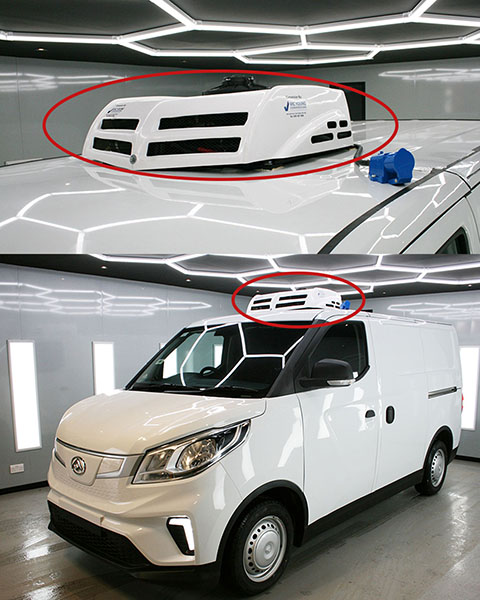
As electric vehicles continue to reshape the global transportation industry, electric vans are becoming an essential part of urban logistics, cold-chain distribution, and passenger transport. With the rapid expansion of electric fleets, the demand for efficient and reliable climate control solutions has grown significantly. One key technology meeting this need is the EV van air conditioner, an electric-powered system designed specifically to provide cooling and heating for electric vans without relying on traditional engine-driven compressors.
Rising Demand for Climate Control in Electric Vans
Electric vans are increasingly used for last-mile delivery, mobile services, and passenger transport in cities worldwide. Unlike conventional vehicles that rely on belt-driven compressors connected to an internal combustion engine, EVs require a different approach to climate control. An EV van air conditioner uses an independent electric compressor powered by the vehicle’s battery system, enabling efficient temperature control even when the vehicle is parked or the motor is not running.
This independent operation offers several advantages. It allows drivers to maintain cabin comfort during deliveries, rest breaks, or charging stops without idling the vehicle. In conventional vans, running the air conditioner often requires the engine to remain on, leading to fuel consumption, emissions, and engine wear. Electric systems eliminate these drawbacks while supporting the overall sustainability goals of electric mobility.
How EV Van Air Conditioners Work
Most EV van air conditioners operate on the same basic refrigeration cycle used in traditional HVAC systems, which includes a compressor, condenser, expansion valve, and evaporator. However, the key difference lies in the power source. Instead of using a belt connected to an engine, the system uses an electric compressor that adjusts its speed based on cooling demand, improving efficiency and reducing unnecessary energy consumption.
Advanced electric compressors can deliver rapid cooling and precise temperature control. Because they respond instantly to changes in load, they can quickly cool the cabin in hot climates or maintain a comfortable temperature with minimal power consumption. In addition, electric compressors typically operate more quietly than traditional mechanical systems, contributing to a quieter and more comfortable driving environment.
Key Advantages for Commercial Electric Vans
For fleet operators and logistics companies, EV van air conditioners provide several practical benefits:
1. Energy Efficiency and Range Protection
Electric air conditioning systems are designed to minimize power consumption while maintaining consistent cooling performance. Efficient compressors and intelligent temperature control help reduce the impact on battery range, ensuring that the vehicle can operate for longer distances without frequent charging.
2. Engine-Off Operation
One of the most significant advantages of electric air conditioners is their ability to run independently of the vehicle’s engine or motor. Drivers can keep the cabin cool during rest periods or loading operations without idling the vehicle, saving energy and reducing emissions.
3. Environmental Benefits
Electric HVAC systems often use environmentally friendly refrigerants and consume less energy than traditional systems. This aligns with the broader goal of reducing greenhouse gas emissions in the transportation sector.
4. Improved Driver Comfort and Safety
Comfortable cabin temperatures play a critical role in driver concentration and fatigue reduction. Quiet operation, stable cooling performance, and precise temperature control contribute to a better driving experience, particularly during long hours of urban deliveries or transport operations.
In the coming years, improvements in battery technology, compressor efficiency, and smart thermal management will likely make EV van air conditioning systems even more efficient and adaptable. For logistics providers, fleet operators, and vehicle manufacturers, investing in advanced climate control technology is no longer just about comfort—it is a key step toward building the next generation of sustainable mobility.