
Electric Van Cooling Units Transform Urban Cold Chain Logistics
As cities accelerate the transition toward low-emission transportation, electric van cooling units are emerging as a critical technology for sustainable last-mile delivery. From fresh food and pharmaceuticals to floral products and specialty chemicals, temperature-controlled logistics must now meet both environmental regulations and rising consumer expectations for quality and safety. Fully electric refrigeration systems designed for vans are helping fleet operators achieve these goals while improving operational efficiency.
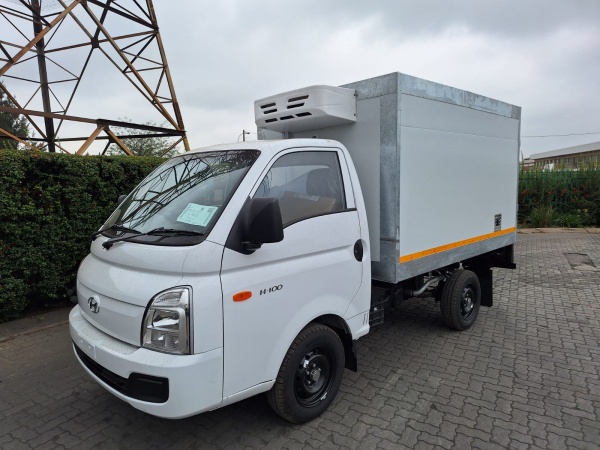
Rising Demand for All-Electric Refrigeration
Urban distribution is increasingly shifting to electric vans due to stricter emissions policies and the expansion of low-emission zones. Traditional engine-driven refrigeration units add fuel consumption, noise, and maintenance complexity. Electric van cooling units, powered directly by batteries or high-voltage vehicle systems, eliminate these drawbacks while enabling zero-emission cold chain transport.
Modern DC electric refrigeration systems can maintain temperatures as low as −18 °C, ensuring safe transport of frozen foods and sensitive medical supplies. Advanced systems designed for medium-capacity vans can reliably serve cargo volumes of 12–14 m³ while maintaining consistent cooling performance, making them suitable for supermarkets, e-commerce fulfillment, and healthcare distribution.
Key Advantages for Fleet Operators
1. Energy Efficiency and Lower Operating Costs
Electric cooling units draw power from onboard batteries or vehicle electrical systems, reducing fuel consumption and engine wear. Intelligent controllers optimize compressor operation, lowering energy use while maintaining precise temperature control.
2. Quiet Operation for Urban Delivery
Noise restrictions in residential and commercial areas are becoming stricter. Electric refrigeration systems operate significantly more quietly than diesel-powered units, enabling early-morning and late-night deliveries without disturbing communities.
3. Reliable Temperature Control
Electric systems provide stable cooling across a wide range of ambient conditions. With automated defrost cycles, digital temperature management, and real-time monitoring, operators can maintain product integrity throughout transit.
4. Flexible Power Configurations
Modern electric van cooling units support multiple voltage configurations—from high-voltage EV platforms to auxiliary battery setups—allowing integration into diverse fleet types. Some systems even offer standby electric operation for plug-in cooling when vehicles are parked, preserving cargo without draining onboard batteries.
Supporting Sustainable Cold Chains
The shift to electric van refrigeration aligns with global sustainability targets and corporate ESG commitments. Zero-emission cooling solutions reduce greenhouse gas emissions, improve air quality in dense urban areas, and help companies comply with evolving environmental regulations.
Additionally, electric refrigeration systems contribute to reduced refrigerant leakage risks and improved thermal efficiency, supporting safer and more environmentally responsible cold chain operations.
Applications Across Industries
Electric van cooling units are reshaping logistics across multiple sectors:
Food & Beverage: Fresh produce, dairy, seafood, and frozen meals
Healthcare: Vaccines, biologics, and temperature-sensitive medicines
Floral & Specialty Goods: Maintaining freshness and product quality
E-commerce: Rapid delivery of perishable items
As online grocery and pharmaceutical delivery continue to expand, reliable electric refrigeration will be essential for maintaining product quality from warehouse to doorstep.
In the coming years, electric van refrigeration is poised to become the standard for urban cold chain logistics—delivering not only temperature-controlled transport, but also cleaner air, quieter streets, and more sustainable supply chains.
As cities and businesses pursue greener operations, electric van cooling units stand at the forefront of a new era in refrigerated transport—where efficiency, reliability, and environmental responsibility go hand in hand.