
Electric Truck Refrigeration Technology Accelerates Iteration; Green Transition of Cold Chain Logistics Enters a New Phase
As the "Dual Carbon" strategy advances and consumer demand for product quality continues to rise, the cold chain logistics industry is undergoing a profound transformation toward electrification. As a core technological component of cold chain transport, refrigeration equipment for electric trucks has moved beyond the simple "fuel-to-electric" substitution model of the past; it is now rapidly evolving toward greater efficiency, integration, and intelligence, offering superior solutions for end-to-end temperature-controlled transport.
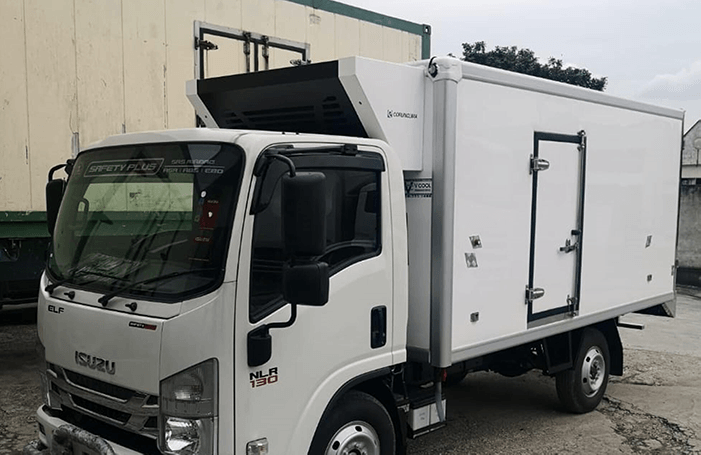
Deep Integration: Synergistic Operation Between Refrigeration Systems and Vehicles Becomes the Mainstream Trend
Traditional cold chain transport has long grappled with pain points such as high energy consumption, insufficient temperature control stability, and frequent interruptions in temperature regulation during transit. In early-stage pure-electric refrigerated trucks, the refrigeration units often operated independently of the chassis and power battery systems, making it difficult to achieve holistic operational efficiency. Currently, the industry's mainstream trend has clearly shifted toward deep, multi-dimensional synergistic development encompassing the "chassis—electric powertrain—refrigeration unit—cargo body" ecosystem.
The new generation of electric refrigeration equipment establishes data connectivity with the vehicle's power battery and thermal management systems. This enables real-time monitoring of the vehicle's battery charge status and driving conditions, allowing for the intelligent adjustment of refrigeration power output. This integrated design not only prevents the refrigeration unit from excessively depleting the vehicle's driving range but also allows for energy recovery—during braking or coasting—to pre-cool the cargo body, thereby significantly boosting overall vehicle energy efficiency. Concurrently, refrigerated cargo bodies now utilize advanced thermal insulation materials and manufacturing processes, achieving an overall heat transfer coefficient that meets internationally recognized high standards for refrigerated vehicles. When paired with customized, high-airflow refrigeration units, this combination ensures rapid temperature reduction and provides a reliable guarantee of constant temperature maintenance throughout the entire journey.
Intelligent Temperature Control: Enhancing the Safety and Traceability of Cold Chain Transport
Technological innovation is also heavily focused on the intelligent upgrading of refrigeration equipment. The new generation of electric refrigeration units typically integrates remote communication modules, enabling remote control of temperature settings and operational status, as well as the visual display of temperature data throughout the entire transport process. Users can utilize a management platform to remotely activate the refrigeration system prior to departure, pre-cooling the cargo body to the required temperature. This allows for immediate loading and dispatch upon arrival at the facility, effectively reducing waiting times and preventing potential fluctuations in cargo quality caused by insufficient pre-cooling. During transit, the intelligent temperature control system automatically adjusts compressor speed and cooling output based on data collected by multiple in-compartment temperature sensors, the type of cargo being transported, and the frequency with which the compartment doors are opened. This ensures that temperature fluctuations are confined within an extremely narrow range. In the event of abnormal temperature spikes or a refrigeration system malfunction, the system immediately issues alerts to both the driver and the management center; simultaneously, it comprehensively records temperature data across the entire cold chain, providing a reliable basis for post-incident traceability and the determination of liability. These capabilities effectively address the industry's core concerns regarding the complex challenges of temperature control in new-energy cold chain vehicles.
High Efficiency, Energy Savings, and Low Emissions: Meeting the High Standards of Urban Environments
As restrictions on fuel-powered trucks in urban centers become increasingly stringent—coupled with a growing demand for low-noise, zero-emission operating environments—the "green" advantages of refrigeration equipment for pure-electric trucks are becoming ever more pronounced. Compared to traditional diesel-driven auxiliary units, all-electric refrigeration units generate absolutely no exhaust emissions during operation and produce significantly less noise, thereby enabling distribution operations in areas with strict requirements for quietness and environmental protection.
In terms of energy consumption, the new generation of electric refrigeration units achieves a higher cooling energy efficiency ratio through the application of variable-frequency drive technology, high-efficiency scroll compressors, and low-flow-resistance heat exchangers. When combined with the vehicle's lightweight design and low-aerodynamic-drag body styling, these pure-electric refrigerated trucks can still achieve a reliable driving range—sufficient to meet intercity distribution demands—even under the most rigorous operating conditions, such as carrying a full cargo load, maintaining deep-freeze temperatures throughout the journey, and running the cab's air conditioning at full capacity. Furthermore, the application of thermal energy storage technology is expanding; by utilizing off-peak electricity rates during the night to store cooling capacity for release during the day, this technology further reduces operating costs while simultaneously optimizing the electrical grid load.
Deepening Industrial Collaboration: Cold Chain Equipment Advances Toward High-Quality Development
Currently, stakeholders across the entire value chain—from vehicle manufacturers and refrigeration equipment suppliers to logistics operators—are accelerating the construction of a collaborative ecosystem for electric cold chain logistics. Through modular design and standardized interfaces, refrigeration units from various brands can be rapidly and seamlessly integrated with different vehicle compartments and chassis platforms, thereby reducing complexity for users during the equipment selection process as well as during subsequent maintenance operations. Concurrently, the aftermarket service ecosystem surrounding refrigeration units is undergoing an upgrade; encompassing services such as remote fault diagnostics, predictive maintenance, and backup unit leasing, this system effectively guarantees the high uptime and reliability of cold chain transport operations.
It is foreseeable that—driven by continuous breakthroughs in electronic control and thermal management technologies, as well as the ongoing improvement of charging and battery-swapping infrastructure—refrigeration equipment for electric trucks will evolve toward greater efficiency, intelligence, and reliability. This evolution will inject sustained "green" momentum into my country's cold chain logistics sector, propelling it from a stage of basic refrigeration coverage toward one of end-to-end precision control.