
Electric Truck Refrigeration Systems: A Silent Revolution in Cold Chain Logistics
In the early morning mist, city delivery trucks begin to move. A fleet of special electric trucks silently enters dedicated lanes, their cargo compartments loaded with fresh fruits and vegetables, medical supplies, and other temperature-sensitive goods. These trucks differ from traditional refrigerated trucks not only in their electric propulsion but also in their brand-new refrigeration system—a completely zero-emission, highly efficient, and intelligent temperature control solution.
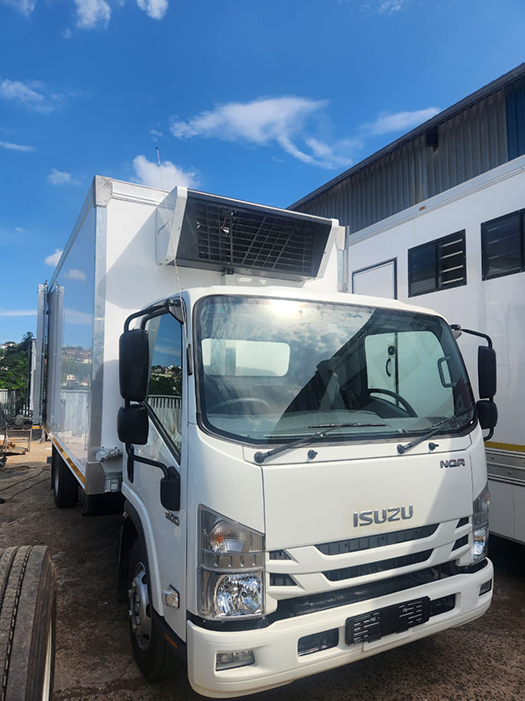
A silent revolution is underway in the cold chain logistics industry. The traditional refrigerated transport model, which relies on diesel generators for cooling, is gradually being replaced by integrated refrigeration systems in electric trucks. This transformation is not only about a shift in energy sources but also a crucial step for the entire cold chain logistics industry towards sustainability and intelligence.
System Core: A New Architecture from Power Source to Refrigeration Method
The revolutionary changes in electric truck refrigeration systems begin with their fundamental architecture. Unlike traditional systems, the electric truck's refrigeration system directly utilizes the vehicle's power battery as its energy source, eliminating the need for a separate diesel generator. This integrated design not only reduces energy conversion losses but also significantly lowers system complexity and maintenance requirements.
The core of the new system is a highly efficient electric compressor, which can adjust its operating power in real-time based on temperature changes inside the cargo compartment, achieving precise temperature control. Unlike the "on-off" control of traditional compressors, the electric compressor can continuously adjust the cooling output, avoiding drastic temperature fluctuations, making it particularly suitable for transporting highly temperature-sensitive pharmaceutical products and high-end food.
Thermal insulation material technology is also undergoing simultaneous innovation. The new generation of multi-layer composite insulation panels uses vacuum insulation principles, significantly reducing thermal conductivity. Even in extreme external temperatures, the internal temperature of the cargo compartment can be maintained stably for extended periods. This advancement significantly reduces the energy consumption of the refrigeration system, mitigating the inherent challenges of electric truck range.
Intelligent Management: Data-Driven Temperature Control
The intelligence level of modern electric truck refrigeration systems is remarkable. Through an Internet of Things sensor network, the system can monitor the temperature, humidity, and gas composition at multiple locations within the cargo compartment in real-time and automatically adjust the refrigeration operating parameters. This data is simultaneously uploaded to a cloud platform for real-time viewing by logistics companies, cargo owners, and regulatory agencies.
An intelligent early warning system can identify potential malfunctions in advance. By analyzing compressor vibration frequency, current fluctuations, and refrigerant status, the system can issue maintenance alerts before complete component failure, preventing refrigeration interruptions during transportation. This predictive maintenance significantly improves the reliability of cold chain logistics.
The remote control function provides unprecedented flexibility for logistics management. The dispatch center can remotely adjust the temperature settings of different trucks based on cargo characteristics, external environmental conditions, and transportation progress. They can even initiate pre-cooling procedures before delivery to ensure the goods are always kept in the optimal storage environment.
Environmental Advantages: A Green Solution with Double Carbon Reduction
The environmental benefits of electric truck refrigeration systems are evident on two levels. First, it completely eliminates the exhaust emissions of traditional diesel refrigeration units, including nitrogen oxides, particulate matter, and carbon dioxide. In urban delivery scenarios, this means that densely populated areas are no longer subject to pollutants from refrigerated trucks, which is of great significance for improving air quality.
Secondly, as the proportion of renewable energy in the power grid continues to increase, the indirect emissions of electric refrigeration systems are also continuously decreasing. When electricity comes entirely from clean energy sources, the entire cold chain transportation will achieve a truly zero-carbon cycle. This environmental advantage makes many food and pharmaceutical companies pursuing sustainable development more inclined to choose electric cold chain delivery services.
The significant reduction in noise pollution is another often overlooked advantage. The noise generated by traditional diesel refrigeration units often leads to complaints in residential areas, while the almost silent operation of electric systems makes nighttime delivery possible, improving logistics efficiency while reducing disruption to the community.
Industry Adaptation: Technological Evolution for Multiple Scenarios
Electric truck refrigeration systems are undergoing specialized improvements based on different application scenarios. For urban "last-mile" delivery, the system tends towards a compact design, focusing on rapid cooling and durability for frequent starts and stops; while regional trunk line transportation emphasizes continuous operating efficiency and reliability in extreme environments.
The pharmaceutical cold chain has extremely high requirements for temperature stability and data traceability. To this end, dedicated systems include backup refrigeration modules and independent power supplies, ensuring that the cargo compartment temperature remains within strict limits even if the vehicle's main system fails. Tamper-proof temperature records throughout the entire process also provide assurance for the compliant transportation of pharmaceutical products.
Fresh food delivery, on the other hand, focuses more on humidity control and gas regulation. Some advanced systems have integrated controlled atmosphere technology, which can regulate the oxygen and carbon dioxide levels in the cargo compartment, slowing down the ripening process of fruits and vegetables and significantly extending their shelf life. This multi-functional integration makes electric refrigerated trucks mobile preservation and processing stations.
Future Outlook: Integration into Smart City Logistics Networks
With the development of autonomous driving technology, electric truck refrigeration systems will usher in new integration opportunities. In the future, autonomous electric refrigerated trucks can seamlessly connect with intelligent warehousing systems, achieving fully automated loading, unloading, and temperature transfer. The entire process from warehousing to the delivery terminal will be completed under precise temperature control, significantly reducing the risk of temperature fluctuations caused by human error.
Interaction with urban energy systems is another promising direction. Electric refrigerated trucks can charge during off-peak hours and feed electricity back into the grid during peak hours (V2G technology), becoming a component of the urban virtual power grid. The refrigeration system itself can also act as a temporary "cold energy storage" unit when necessary, participating in urban energy regulation.
In the longer term, electric truck refrigeration systems may completely change our perception of cold chain logistics. As technology continues to advance, this system will become more efficient, reliable, and intelligent, ultimately driving the entire logistics industry towards a more sustainable direction. This silent revolution, which began with a change in refrigeration methods, is quietly reshaping the temperature landscape of cargo transportation.
In the city night, electric refrigerated trucks quietly drive towards their destinations. Inside the cargo compartment, the refrigeration system maintains a precise temperature, ensuring that every shipment arrives in optimal condition. This transformation in the field of cold chain logistics lacks the roar of internal combustion engines, but it is pushing the industry forward with a more determined stance—cleaner, smarter, and more reliable. The electric truck refrigeration system is not just an equipment upgrade; it is a solemn commitment from the logistics industry to a sustainable future.