
Electric Refrigeration Units for Box Trucks: Driving Cold Chain Distribution into a Low-Carbon, Smart Era
Driven by the deepening "Dual Carbon" strategy and rising consumer demand for fresh food quality, the cold chain logistics industry is undergoing a profound energy transformation. As critical equipment for "last-mile" urban distribution, electric refrigeration units for box trucks have transitioned from the stage of technical exploration to large-scale application in recent years, becoming a key force in driving the green and intelligent transformation of cold chain transport. This shift has not only changed the power source of traditional refrigeration equipment but has also reshaped operational models and efficiency benchmarks in cold chain distribution.
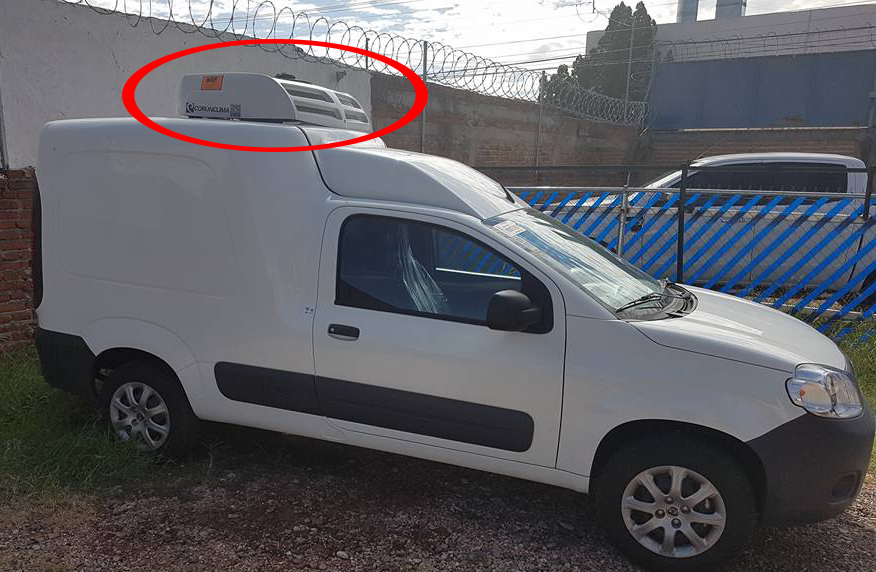
Technological Innovation: From Mechanical Dependence to Smart Temperature Control
Traditional refrigerated truck units are typically powered by internal combustion engines; their cooling efficiency is directly linked to engine speed, resulting in high energy consumption and difficulty maintaining stable output during idling or in traffic congestion. The advent of electric refrigeration units has fundamentally overcome this limitation. By deeply integrating the refrigeration system with the vehicle's power battery, these units decouple cooling operations from driving conditions, allowing the compressor to maintain high efficiency across all operating scenarios. A direct result of this technological approach is a significant improvement in temperature control precision—effectively minimizing temperature fluctuations within the cargo hold and creating a more stable storage and transport environment for perishable goods.
Currently, electric refrigeration technology is rapidly evolving toward variable-frequency operation and intelligent control. New-generation products widely employ variable-frequency drive technology, automatically adjusting cooling output based on the actual thermal load inside the cargo hold to prevent energy waste. Intelligent control algorithms monitor cargo placement, door-opening frequency, and ambient temperature changes in real-time, dynamically adjusting fan speeds and cooling distribution to ensure uniform temperatures throughout the cargo area. Meanwhile, upgraded human-machine interfaces allow drivers to intuitively monitor the system's operating status and flexibly switch between modes based on cargo type: for instance, "Energy-Saving Mode" suits temperature-retention transport, "Powerful Mode" is ideal for pre-cooling, and "Low-Noise Mode" meets environmental requirements for nighttime urban operations.
Empowering Efficient Fleet Management
Another significant breakthrough for electric refrigeration units lies in the integration of digital capabilities. Leveraging IoT technology, refrigeration units have evolved from isolated mechanical components into intelligent terminals capable of sensing, communicating, and responding to interventions. Through cloud-based management platforms, operators can monitor critical data—such as temperature profiles, door-opening logs, and refrigeration start/stop times—in real-time, while also enabling remote fault warnings and diagnostics. This transparent management approach effectively mitigates the risk of cargo loss and provides a data-driven basis for optimizing delivery routes and scheduling maintenance. Fleet managers can even activate pre-cooling for the cargo compartment before the vehicle returns, thereby enhancing operational efficiency.
New Opportunities for Urban Cold Chain DistributionAt the policy level, the state is vigorously promoting equipment upgrades in the transportation sector and providing clear directives for the adoption of new-energy refrigerated trucks. Meanwhile, increasingly stringent environmental emission standards are restricting the access of traditional fuel-powered refrigeration units to city centers, compelling enterprises to accelerate the phase-out of aging equipment. On the market side, the explosive growth of sectors such as fresh food e-commerce, pharmaceutical cold chains, and ready-to-cook meals has raised the bar for temperature safety during delivery; electric refrigeration units, with their precise temperature control and low-noise operation, are ideally suited to the transport requirements of these high-value goods.
Deep Integration of Green and Smart TechnologiesLooking ahead, the development of electric refrigeration units for box trucks will extend beyond mere improvements in cooling efficiency to integrate into the broader new-energy commercial vehicle ecosystem. On one hand, the combination of cold storage technology and phase-change materials promises to serve as an emergency cooling source, further enhancing transport safety. On the other, AI-driven autonomous temperature control strategies will enable the automatic matching of optimal cooling profiles based on cargo type, facilitating refined management across the entire logistics process. As power battery energy density rises and charging infrastructure improves, concerns regarding the operating range of electric refrigeration units will be alleviated, paving the way for steady growth in their market penetration within urban cold chain distribution.
From "mere cooling" to "precise, constant temperature control," and from "mechanical operation" to "remote intelligent control," electric refrigeration units for box trucks are redefining the value standards of cold chain logistics through technological innovation. Amidst the wave of green transformation, it serves not only as a vehicle for equipment upgrades but also as a crucial link in building an efficient, safe, and low-carbon urban food supply chain.