
Electric Air Conditioning Revolutionizes the Heavy Truck Industry: A Silent Technological Revolution is Underway
At dawn, an electric heavy truck slowly drives into a logistics park. While waiting to load and unload, the driver turns on the air conditioning. In stark contrast to the roar and vibration of traditional diesel trucks, this vehicle is so quiet it's almost unnoticeable—the electric air conditioning system silently delivers cool air, consuming no fuel and emitting no emissions; only the energy consumption data on the electronic screen flickers slightly.
This is the technological revolution quietly emerging in China's commercial vehicle sector: the widespread application of electric air conditioning systems in trucks. It's not just an upgrade in vehicle comfort, but a crucial step in the entire commercial vehicle industry's transition to new energy, redefining the truck driving experience and operating model.
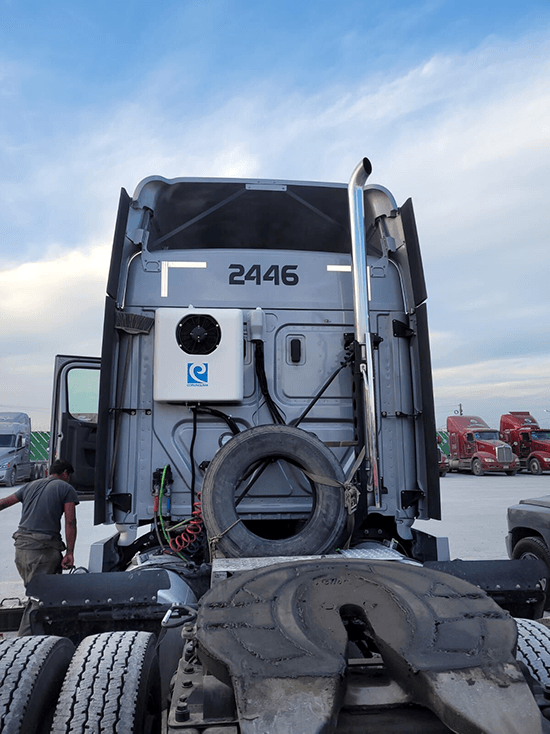
A Silent Revolution: Saying Goodbye to the Era of Diesel Engine Roar
Traditional truck air conditioning systems rely entirely on engine power. Once the vehicle is turned off, the air conditioning stops working. While waiting to load and unload, drivers either have to endure extreme heat or cold, or keep the engine idling, generating unnecessary fuel consumption, noise, and emissions. Electric air conditioning systems completely change this situatio
Independent electric drive means that air conditioning is no longer tied to the engine, allowing the vehicle to continue running for hours after the engine is turned off, providing a comfortable resting environment for the driver. This seemingly small change profoundly impacts the quality of life for long-haul drivers and represents the evolution of trucks from "simple transportation tools" to "mobile living spaces."
Technological Leap: A Dual Breakthrough in Efficiency and Integration
Unlike electric air conditioning in passenger cars, electric air conditioning in trucks faces more severe challenges: larger spaces requiring temperature regulation, longer operating times needing to be maintained, and adaptation to more demanding working environments. The industry's response strategy is a two-pronged approach of system integration and efficiency improvement.
The latest generation of electric air conditioning systems is no longer just a standalone component but is deeply integrated into the vehicle's thermal management architecture. It can simultaneously provide a suitable temperature environment for the cab, battery pack, and electric drive system, reducing overall energy consumption through intelligent heat distribution.
The continuous improvement in system efficiency has significantly reduced the battery power consumption of electric air conditioning, alleviating the most criticized aspect of electric trucks: "range anxiety." As technology matures, electric air conditioning is transforming from a "range killer" into a "smart energy partner," dynamically adjusting its operating strategies based on vehicle status, environmental conditions, and user habits.
Green Transition: An Inevitable Choice Under Environmental Pressure
Increasingly stringent emission regulations worldwide are accelerating the electrification of commercial vehicles. Under this major trend, electric air conditioning is no longer just an optional feature but has become an indispensable core system for electric trucks.
Compared to diesel-assisted air conditioning, pure electric air conditioning achieves true zero-emission operation, significantly improving local air quality, especially in enclosed or semi-enclosed environments such as logistics parks and ports. This shift aligns perfectly with the development direction of urban green logistics, becoming a crucial factor in electric trucks gaining road rights advantages and policy support.
Cost Restructuring: Balancing Short-Term Investment with Long-Term Returns
For fleet operators, the high initial cost of electric air conditioning systems was once a major obstacle to their widespread adoption. However, with technological advancements and large-scale production, this situation is rapidly changing.
From a life-cycle cost analysis perspective, the energy-saving characteristics of electric air conditioning are increasingly highlighting its economic benefits. Advantages such as eliminating fuel consumption, reducing engine wear, and lowering maintenance frequency translate into considerable cost savings over the vehicle's several-year operating cycle. More and more logistics companies are prioritizing electric air conditioning in their new vehicle procurement, and this shift in demand is driving the entire industry chain to upgrade.
Intelligent Integration: The Future Temperature Control Hub
With the application of vehicle-to-everything (V2X) and autonomous driving technologies in the commercial vehicle sector, electric air conditioning systems are being endowed with more intelligent attributes. Future truck air conditioning will no longer be a device passively responding to driver commands, but rather an intelligent system that proactively adapts to environmental and task requirements.
By connecting to a vehicle dispatch platform, electric air conditioning can pre-adjust the cab temperature; combined with biometric technology, the system can provide personalized comfort settings for different drivers; and even in specific scenarios, the air conditioning system can work in conjunction with the vehicle's powertrain to optimize overall energy efficiency.
Industry Reshaping: Supply Chain and Business Model Transformation
The widespread adoption of electric air conditioning is triggering profound adjustments in the commercial vehicle supply chain. Traditional air conditioning suppliers are accelerating their transformation towards electrification, while companies in power electronics, battery management, and other fields are gaining new market opportunities. This cross-industry integration is fostering a more open and diverse industrial ecosystem.
Business models are also quietly changing. Some companies are starting to experiment with "air conditioning as a service" subscription models, transforming hardware sales into ongoing service; fleet operators are focusing more on the overall cost and benefit throughout the entire lifecycle, rather than simply the purchase price. These changes are collectively driving the entire industry towards greater efficiency and sustainability.