
Electric Air Conditioning for Trucks: A "Cooling Revolution" in the Logistics Industry
On scorching summer highways, a quiet revolution is underway in the cabins of heavy-duty trucks. The familiar roar of diesel engines is gradually fading, replaced by quieter, more efficient electric air conditioning systems, bringing coolness and comfort to long-haul truck drivers.
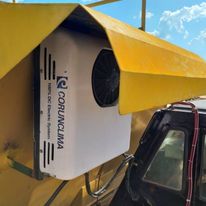
As a crucial part of the electrification process in commercial vehicles, electric air conditioning for trucks is transforming energy use and driving experience in the logistics industry. With increasing global emphasis on energy conservation and emission reduction, this technology is moving from the periphery to the mainstream, becoming a new trend in truck configuration upgrades.
Saying Goodbye to Tradition: The Shift from Fuel-Driven to Electric
Traditional truck air conditioning systems rely on the engine to power the compressor. This means that even when the vehicle is stationary, the engine must remain running for the driver to use the air conditioning. This design not only consumes a large amount of fuel, increasing operating costs, but also generates continuous noise and exhaust emissions, affecting driver rest quality and the environment.
Electric air conditioning systems completely change this working model. They use independent electric power, providing stable cooling regardless of whether the vehicle is driving or parked. This shift significantly reduces fuel consumption and operating costs, and also significantly reduces noise pollution, allowing truck drivers to enjoy a truly quiet environment during their rest periods.
Technological Innovation: Smarter, More Efficient Solutions
Modern truck electric air conditioning systems integrate several advanced technologies, making them superior to traditional systems in terms of efficiency, reliability, and intelligence. The application of high-efficiency compressors significantly improves energy utilization efficiency, while intelligent temperature control systems automatically adjust operating status according to environmental changes, achieving a balance between energy saving and comfort.
Some cutting-edge systems also feature remote control capabilities, allowing drivers to start the air conditioning in advance via a mobile app, ensuring a comfortable temperature upon entering the cab. This intelligent design not only enhances convenience but also reflects the trend of integrating vehicle systems with modern Internet of Things technology.
Industry Drivers: Multiple Factors Driving Adoption
The driving force behind the development of electric air conditioning for trucks comes from multiple factors. Increasingly stringent environmental regulations are prompting commercial vehicle manufacturers to seek cleaner solutions; the logistics industry's need to control operating costs is accelerating the application of energy-saving technologies; and the demand for improved working conditions for drivers is driving upgrades in comfort features. With the promotion of new energy trucks, electric air conditioning, as a subsystem highly compatible with electric vehicles, has naturally become a key focus for upgrades. This trend is particularly evident in the cold chain transportation sector, where the need for precise temperature control in electric systems has accelerated the maturation and popularization of related technologies.
Challenges and Breakthroughs: The Path of Technological Evolution
Despite its obvious advantages, the widespread adoption of electric air conditioning in trucks still faces several challenges. Power supply stability, system durability, and performance in extreme environments are all areas requiring continuous optimization. Especially in long-haul transportation, the air conditioning system needs to maintain reliable operation under varying climatic conditions, placing higher demands on the technology.
Manufacturers are addressing these challenges through various means. Improving system energy efficiency reduces the demand on vehicle power, optimizing thermal management technology enhances environmental adaptability, and using more reliable and durable components extends system lifespan. These improvements have gradually addressed the shortcomings of early electric air conditioning systems, driving technological maturity and increasing market acceptance.
Future Trends: Intelligent and Integrated Development
Looking ahead, truck electric air conditioning will develop towards greater intelligence and integration. Data exchange with other vehicle systems will become closer, allowing the air conditioning system to automatically optimize its operating mode based on multiple factors such as vehicle location, external environment, and cargo characteristics.
The integration with new energy technologies will also deepen. With the improvement of battery energy density and the perfection of charging infrastructure, electric air conditioning will receive more stable and sustained power support, further highlighting its advantages. At the same time, innovative solutions such as photovoltaic auxiliary power supply may provide supplementary energy for the air conditioning system, reducing the consumption of the main battery.
From a broader perspective, the development of truck electric air conditioning is a microcosm of the energy transformation in the transportation sector. It is not merely an upgrade of a comfort feature, but a concrete manifestation of the logistics industry's progress towards efficient, clean, and sustainable development. With the continuous maturation of technology and further cost optimization, this "cooling revolution" is expected to cover a wider range of transportation scenarios in a shorter time.
In an era of interconnected logistics networks, truck electric air conditioning is, in its own way, improving the working environment of countless drivers, reducing the industry's carbon footprint, and quietly driving the entire transportation industry towards a greener and more efficient future. This seemingly insignificant change is profoundly significant, representing how technological progress can create multiple values in practical applications – bringing comfort to drivers, saving costs for owners, and reducing emissions for society.