
DC Electric Air Conditioning for Ambulances Gains Traction: Quiet, Zero Emissions, Independent Operation Reshapes Emergency Care
As emergency medical services place higher demands on the environment inside patient compartments, a new type of DC-powered electric air conditioning system – completely independent of the vehicle’s engine – is becoming a key upgrade for ambulances. Unlike conventional cooling systems that rely on engine idling, this system runs directly off the vehicle’s battery, providing continuous cooling or heating without the engine running. It is seen as a critical step toward quieter, more electrified emergency vehicles.
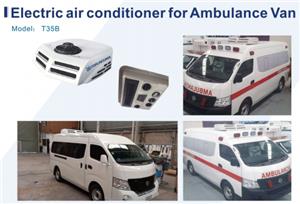
Leaving the Idling Problem Behind: From Forced Roaring to Silent Treatment
For a long time, a major drawback of traditional ambulance air conditioning has been that when the vehicle is stopped and paramedics are treating a patient inside, the engine must idle for long periods just to keep the patient compartment at a comfortable temperature. This not only burns fuel but also produces constant vibration and exhaust emissions. At night, when parked in residential areas, the noise from an idling engine can disturb the peace. More importantly, the patient compartment requires a clean, quiet environment, yet idling exhaust can sometimes seep back inside, posing potential health risks to both medical staff and patients.
The introduction of the new DC electric air conditioning system completely changes this situation. It uses an independent DC compressor and fan system with no mechanical connection to the engine. Once the ambulance arrives at the scene or the hospital, the engine can be fully shut off while the air conditioning continues to run smoothly on battery power. Inside the patient compartment, a steady flow of cool or warm air is maintained, while outside the vehicle, almost no running sound can be heard.
Multiple Benefits: A Win for Patients, Paramedics, and Communities
This “zero-idle” operation brings multiple improvements. For patients, the low-frequency rumble and vibration of the engine are gone, creating a calmer environment that helps stabilize their emotions and facilitates treatment. For paramedics, it becomes easier to use a stethoscope, perform delicate procedures like venipuncture, and avoid prolonged exposure to exhaust fumes. For communities, nighttime emergency calls no longer come with long stretches of engine noise, reducing disturbance to residents.
Beyond noise reduction and lower emissions, the independent operation of the DC electric air conditioning also improves overall system reliability. In conventional setups, if the engine fails, the air conditioning fails with it – a serious problem during extreme heat or cold. The new system decouples climate control from the engine, so even if the powertrain has issues, the patient compartment’s temperature can still be maintained independently for a period of time, offering a more stable environment for patient transport.
From Pilot to Mainstream: A Quieter Future for Emergency Vehicles
Today, many emergency medical services are making DC electric air conditioning a standard feature when they replace their ambulance fleets. Older vehicles are also being retrofitted with add-on kits – a mature process with a short installation time. According to industry sources, the new system consumes far less energy than traditional idling air conditioning, and paired with the vehicle’s large-capacity battery or an auxiliary power source, it can easily meet the temperature control needs of an entire emergency callout without affecting the vehicle’s starting or driving performance.
From a broader perspective, the spread of DC electric air conditioning in ambulances is part of a wider trend toward greener, quieter public service vehicles. It does not chase flashy high specifications but solves real, everyday problems on the frontline: giving patients a more comfortable temperature during transport, allowing doctors to speak without shouting over engine noise, and letting emergency vehicles come and go quietly in the dead of night.
As the technology matures and costs further decrease, DC electric air conditioning is expected to become standard in all types of medical rescue vehicles. And the path it has first blazed – independent, silent, zero-emission operation – could also be extended to other special-purpose vehicles such as police cars, mobile testing units, and emergency communication vans, bringing quieter and cleaner public services to cities everywhere.