
Corunclima Electric AC Solutions Elevate Ambulance Standards for Global Emergency Response
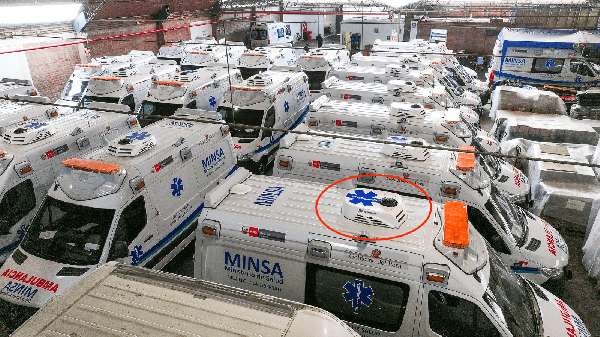
As extreme weather patterns and rising temperatures place new demands on medical transport, the integration of independent electric air conditioning systems into emergency vehicles is emerging as a critical upgrade for healthcare systems worldwide. Corunclima, a specialist in mobile climate-control technology, has reinforced its role in this transformation by providing high-efficiency electric ambulance air conditioning units that address longstanding operational challenges in pre-hospital care.
Unlike conventional engine-driven cabin cooling systems, which lose effectiveness when the vehicle engine is turned off during standby or patient loading, Corunclima’s electric AC technology operates autonomously using battery power. This design ensures continuous temperature regulation regardless of engine status—a vital feature for emergency medical services that often park with engines off to reduce fuel consumption, noise, or local emissions while waiting at incident scenes.
The ability to maintain a stable, comfortable interior environment directly impacts clinical outcomes. Overheating can destabilize vulnerable patients, interfere with sensitive medical devices, and impair the concentration of paramedics performing life-saving procedures. Corunclima’s system delivers consistent cooling performance even in high-ambient-temperature regions, helping to prevent heat-related complications during transport and reducing physical stress on crews working in full protective gear.
Energy efficiency is another cornerstone of the design. By decoupling cabin cooling from the propulsion engine, the electric system lowers overall fuel usage, cuts carbon footprints, and reduces engine wear from extended idling. For fleet operators and health ministries, this translates into lower operating costs and longer vehicle service life—practical benefits that align with broader sustainability goals in public infrastructure.
Noise reduction further enhances the clinical environment. The electric compressor and optimized airflow design operate at significantly lower sound levels compared to belt-driven alternatives. Quieter interiors facilitate clearer communication between medical staff, enable better monitoring of patient breathing and heart sounds, and reduce anxiety for conscious patients during emergency rides.
Corunclima’s solution is purpose-built for the demanding duty cycles of ambulances, emergency response vans, and mobile medical clinics. Key engineering features include a compact, vibration-resistant structure, corrosion-resistant materials suitable for humid or coastal climates, and a high-efficiency air distribution layout that avoids direct drafts on patients. Maintenance requirements are minimized through simplified component access and robust sealing against dust and moisture.
Beyond individual vehicle performance, the adoption of electric AC technology supports the modernization of emergency medical infrastructure at a systemic level. Standardized electric climate systems simplify fleet electrification roadmaps, as they are compatible with both conventional chassis and hybrid or fully electric ambulance platforms. As more health authorities pursue low-emission emergency fleets, having a proven, independently operable AC unit removes a major technical barrier.
Corunclima continues to expand its global footprint in specialty vehicle climate solutions, including transport refrigeration units, electric parking air conditioners for trucks and commercial vehicles, and bespoke systems for mobile health units. The company’s engineering approach emphasizes field reliability, ease of integration, and adaptability to diverse operational environments—from congested urban streets to remote rural routes with limited service support.
With emergency medical systems worldwide under pressure to improve response quality while containing costs and environmental impact, Corunclima’s electric ambulance air conditioning represents a practical, field-tested answer to a long-neglected need: ensuring that the vehicle interior never compromises patient safety or crew performance, no matter how long the engine stays off.