
Cold Chain Logistics Ushers in a Green Revolution: Electric Van Refrigeration Technology Accelerates Iteration
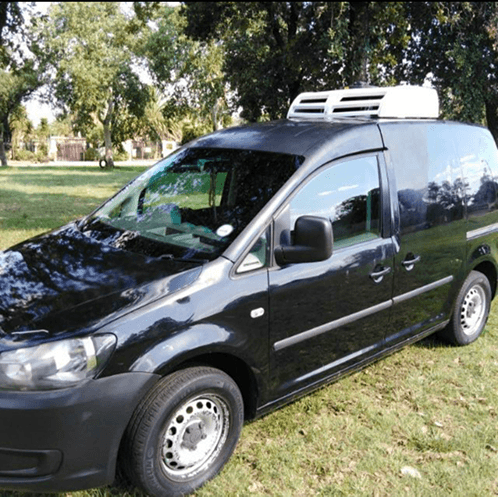
From Roar to Silence: A Historic Leap in Refrigeration Power
With the deepening of the global "carbon neutrality" process and the green transformation of urban delivery systems, electric van refrigeration equipment is undergoing a profound technological revolution. As the guardians of the "last mile" connecting fields, pharmaceutical warehouses, and urban dining tables, these refrigeration units, which once operated amidst the roar of diesel engines, are now redefining the environmental standards and operational efficiency of cold chain transportation with a new electrified and intelligent approach.
Traditional refrigeration equipment for transportation relies heavily on the vehicle's main engine or an independent diesel generator, generating significant exhaust emissions. Furthermore, noise pollution during nighttime or residential operation has long plagued the last mile of urban logistics. However, with the widespread adoption of pure electric commercial vehicles, the accompanying refrigeration systems have undergone a comprehensive revolution, from power source to control logic. Today's electric van refrigeration units are no longer simple "compressor + condenser" combinations, but rather integrated thermal management solutions that deeply integrate high-pressure electric compressors, intelligent frequency converters, and multi-zone precise temperature control technology.
Energy Consumption and Range: The Core Challenge in Technological Breakthrough
At the technological evolution level, the industry is committed to overcoming the core challenge of "energy consumption and range." Early electric refrigerated trucks often faced the dilemma of "limited range when refrigerated, and loss of cargo when refrigerated." To address this pain point, the new generation of refrigeration units uses more efficient electric scroll compressors and fan systems with variable frequency technology, which can automatically adjust refrigeration power according to changes in the temperature inside the compartment, avoiding ineffective energy consumption. A more cutting-edge technological breakthrough comes from the introduction of oil-free centrifugal compressors. This technology combines ultra-high-speed motors with speeds exceeding 160,000 revolutions per minute with oil-free foil bearings, not only significantly reducing the size of the equipment and freeing up more loading space in the cargo box, but also achieving near-maintenance-free long-term operation through an oil-free design, greatly improving vehicle uptime efficiency.
Deep Electric Integration: Intelligent Synergy with Vehicle Powertrain
In terms of powertrain compatibility, modern electric refrigeration units demonstrate extremely high compatibility. These systems not only draw power directly from the vehicle's high-voltage battery pack, eliminating the hassle of refueling, but also achieve a balance between ensuring cooling needs and maintaining driving range through intelligent electronic control systems. Some advanced systems even support 800V high-voltage platforms, preparing for efficient logistics operations under future fast-charging technology. This deep electrical integration makes the refrigeration system a true part of the vehicle's energy management, rather than an isolated external device.
Scenario Customization: A Diversified Evolution from "Cooling" to "Precise Control"
The diversification of market demands is also driving the enrichment of product forms. Today's electric van refrigeration equipment no longer merely pursues "cooling," but is developing towards "precise control." The emergence of multi-temperature zone refrigeration units allows a delivery vehicle to simultaneously transport deep-frozen seafood, refrigerated dairy products, and room-temperature dry goods, greatly improving the flexibility and economic efficiency of urban distribution logistics. At the same time, for the transportation of special medical supplies such as pharmaceuticals and vaccines, refrigeration equipment must have more stringent temperature monitoring and data recording functions to ensure an unbroken cold chain, which also drives the upgrading of refrigeration units towards digitalization and networking.
Regulatory Drive: Environmental Standards Force Technological Upgrades
From a policy and regulatory perspective, global oversight of cold chain transportation is becoming increasingly stringent, placing higher demands on equipment performance. New national standards clearly stipulate the refrigeration capacity, energy consumption labeling, and use of environmentally friendly refrigerants for transport refrigeration units, forcing companies to eliminate outdated production capacity and shift to the use of environmentally friendly refrigerants with low Global Warming Potential (GWP). This is not only a responsibility to the environment but also a strong guarantee of the quality of transported goods.
Integrated Innovation: Breaking Boundaries with Three-in-One Thermal Management
At the system integration level, innovative thinking is breaking down traditional boundaries. Some cutting-edge R&D directions propose a "three-in-one" integrated design, combining the cab's air conditioning system, the power battery's thermal management system, and the cargo compartment's refrigeration system. Through an intelligent central controller and a high-efficiency electric compressor, it simultaneously meets the three major needs of passenger comfort, battery temperature control, and cargo refrigeration. This integrated design not only significantly reduces the number of parts, lowering overall vehicle cost and weight, but also simplifies the piping layout, reducing potential failure points at the source.
Silent Innovation: Defining the Future of Cold Chain Logistics
Looking ahead, with the continued expansion of fresh food e-commerce, ready-to-eat meals, and high-end medical logistics, the market demand for refrigeration equipment in electric vans will go beyond simply having it; it will seek a superior experience. Quiet operation, reliability, long battery life, and intelligent features will become the core benchmarks for evaluating an excellent refrigeration unit. In this cold chain revolution driven by green energy, refrigeration technology is moving from behind the scenes to the forefront, becoming a crucial link between a better life and sustainable development. The "last mile" of urban logistics—preservation—is becoming more robust and efficient thanks to these silent technological innovations.